
1. Introduction
Creamy Chickpea Curry with Fluffy Basmati Rice is a delicious, comforting meal that combines tender chickpeas, aromatic Indian-inspired spices, and a rich, velvety tomato-based sauce.
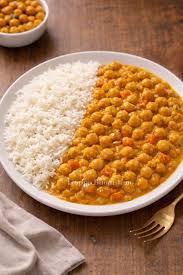
This flavorful dish features a beautifully shaped mound of steamed white basmati rice surrounded by creamy, golden-orange chickpea curry.
Inspired by traditional Indian chana masala, this version adds heavy cream or coconut milk to create a smoother, richer texture while maintaining the bold flavors of garlic, ginger, cumin, coriander, turmeric, and garam masala.
Perfect for quick weeknight dinners, family meals, or vegetarian meal preparation, this easy chickpea curry is both satisfying and simple to prepare.
With affordable pantry ingredients and approximately 30–40 minutes of cooking time, you can create a beautiful restaurant-style meal at home.
2. Origin and Cultural Significance
Chana masala is a popular chickpea-based dish associated with Indian cuisine, particularly the northern regions of the country.
The name chana refers to chickpeas, while masala describes a mixture of spices used to flavor the dish.
Traditional chana masala typically features chickpeas simmered in a spiced tomato-and-onion gravy with ingredients such as ginger, garlic, cumin, coriander, and other aromatic seasonings.
It is commonly enjoyed with rice, roti, naan, or other Indian breads.
The creamy variation in this recipe is a modern adaptation that incorporates heavy cream or coconut milk for a softer, richer sauce.
Basmati rice, known for its delicate aroma and long, slender grains, complements the bold curry flavors.
Together, the chickpeas and rice create a comforting meal inspired by the rich culinary traditions of the Indian subcontinent.
3. Ingredients
For the Fluffy Basmati Rice
- 1¼ cups basmati rice
- Approximately 2⅒ cups water (about 500 ml)
- 1 pinch salt
For the Creamy Chickpea Curry
- 2 cans (15 oz each) chickpeas, rinsed and drained
- 1 tablespoon vegetable oil or olive oil
- 1 medium yellow onion, finely chopped
- 1 tablespoon garlic paste or minced garlic
- 1 tablespoon ginger paste or freshly grated ginger
- 1 tablespoon garam masala
- 2 teaspoons ground cumin
- 1 teaspoon ground coriander
- ½ teaspoon ground turmeric
- 1 teaspoon mild chili powder or paprika
- 6 tablespoons tomato passata or puréed tomatoes
- 1 cup vegetable broth or water
- ½ cup heavy cream or full-fat coconut milk
- Salt, to taste
- Freshly ground black pepper, to taste
Optional Garnishes
- Fresh cilantro
- Fresh parsley
- Lemon or lime wedges
- A small drizzle of coconut milk
4. Optional Additions
Customize your creamy chickpea curry with:
- Fresh spinach: Stir in a handful during the final minutes of cooking.
- Coconut milk: Replace heavy cream for a dairy-free, vegan-friendly variation.
- Green peas: Add extra color and plant-based protein.
- Fresh tomatoes: Include chopped tomatoes for additional texture.
- Red chili flakes: Increase the heat for a spicier curry.
- Lemon juice: Add a small squeeze before serving to brighten the flavors.
- Roasted cauliflower: Serve alongside the curry for extra vegetables.
- Fresh cilantro: Sprinkle over the finished dish for a fragrant garnish.
5. Tips for Success
- Rinse the basmati rice thoroughly to remove excess surface starch.
- Allow the rice to steam after cooking for a lighter, fluffier texture.
- Finely chop the onion so it blends smoothly into the curry sauce.
- Sauté the onion until softened and lightly golden to develop flavor.
- Cook the garlic and ginger briefly to release their aroma without burning.
- Toast the spices gently in the oil to enhance their flavor.
- Use drained and rinsed canned chickpeas for convenience.
- Simmer the chickpeas long enough to absorb the spices.
- Reduce the heat before adding cream or coconut milk.
- Adjust the sauce consistency with a little additional broth if necessary.
- Taste and adjust the salt before serving.
6. Step-by-Step Instructions
Step 1: Rinse the Basmati Rice
Place the basmati rice in a fine-mesh strainer or large bowl.
Rinse under cold running water until the water becomes mostly clear.
This removes excess surface starch and helps prevent the rice from becoming sticky.
Drain thoroughly.
Step 2: Cook the Rice
Add approximately 2⅒ cups of water and a pinch of salt to a medium saucepan.
Bring the water to a boil.
Add the rinsed basmati rice and stir gently once.
Reduce the heat to low, cover the saucepan with a tight-fitting lid, and simmer for approximately 12–15 minutes, or until the water has been absorbed.
Avoid lifting the lid repeatedly during cooking.
Step 3: Steam and Fluff the Rice
Once the rice is cooked, turn off the heat.
Keep the saucepan covered for an additional 5 minutes.
Remove the lid and gently fluff the rice with a fork.
Set aside while preparing the chickpea curry.
Step 4: Prepare the Curry Ingredients
Finely chop the yellow onion.
Prepare the garlic and ginger pastes.
Drain and rinse the canned chickpeas thoroughly.
Measure the spices, tomato passata, vegetable broth, and cream.
Having the ingredients ready makes the cooking process easier.
Step 5: Sauté the Onion
Heat 1 tablespoon of vegetable oil or olive oil in a deep skillet over medium heat.
Add the chopped onion.
Cook for approximately 5–6 minutes, stirring occasionally, until softened and lightly golden.
Step 6: Add the Garlic and Ginger
Stir the garlic paste and ginger paste into the softened onion.
Cook for approximately 1 minute, stirring continuously.
The mixture should become fragrant without allowing the garlic to burn.
Step 7: Bloom the Spices
Add the garam masala, ground cumin, ground coriander, turmeric, and mild chili powder or paprika.
Season lightly with salt and black pepper.
Stir constantly for approximately 30 seconds.
This allows the spices to warm in the oil and release their aroma.
Step 8: Prepare the Tomato Gravy
Pour the tomato passata into the skillet.
Add the vegetable broth or water.
Stir thoroughly, scraping up any flavorful browned bits from the bottom of the pan.
Bring the mixture to a gentle simmer.
Step 9: Simmer the Sauce
Reduce the heat to low.
Allow the tomato and spice mixture to simmer for approximately 5 minutes.
Stir occasionally as the sauce begins to thicken.
The mixture should develop a rich, aromatic flavor.
Step 10: Add the Chickpeas
Add the drained and rinsed chickpeas to the simmering sauce.
Stir until evenly coated.
Allow the curry to simmer gently for approximately 10 minutes.
During this time, the chickpeas absorb the flavors of the spices and tomato gravy.
Step 11: Make the Curry Creamy
Reduce the heat to its lowest setting.
Pour in the heavy cream or full-fat coconut milk.
Stir gently until the cream is fully incorporated.
The sauce should become smooth, velvety, and golden-orange.
Simmer gently for another 2 minutes, avoiding a vigorous boil.
Step 12: Adjust the Curry Consistency
Check the thickness of the sauce.
If the curry is too thick, add a small splash of vegetable broth or water.
If it is too thin, simmer uncovered for another minute or two.
Taste and adjust the salt, black pepper, or chili powder as desired.
Step 13: Shape the Basmati Rice
For an attractive restaurant-style presentation, spoon the warm cooked basmati rice into a small round bowl.
Press gently to help the rice hold its shape.
Place a wide, rimmed serving plate upside down over the bowl.
Carefully flip both together.
Lift the bowl away to reveal a neat mound of rice in the center of the plate.
Step 14: Arrange the Chickpea Curry
Carefully spoon the creamy chickpea curry around the rice mound.
Continue adding curry until it forms an even circle surrounding the rice.
Keep the top of the rice visible for a beautiful contrast between the white grains and golden-orange sauce.
Step 15: Garnish and Serve
Sprinkle fresh cilantro or parsley over the curry if desired.
Add a small drizzle of coconut milk or a squeeze of lemon juice for extra flavor.
Serve immediately while the rice and curry are warm.
7. Description
Creamy Chickpea Curry with Fluffy Basmati Rice features a rich, smooth sauce filled with tender chickpeas and aromatic spices.
The curry has a beautiful golden-orange color created by the combination of tomato, turmeric, and cream.
Garam masala provides warm, complex spice notes, while cumin and coriander contribute earthy flavors.
Garlic and ginger add depth and fragrance, while the cream softens the intensity of the spices.
The chickpeas have a tender, slightly nutty texture that pairs beautifully with the velvety sauce.
Fluffy basmati rice provides a delicate, aromatic contrast and absorbs the flavorful curry.
Every spoonful offers a satisfying combination of creamy sauce, tender chickpeas, and soft rice.
8. Nutritional Information
Approximate values per serving, assuming the recipe makes four servings using heavy cream:
| Nutrient | Estimated Amount |
|---|---|
| Calories | 550–650 kcal |
| Protein | 16–20 g |
| Carbohydrates | 75–90 g |
| Total Fat | 18–25 g |
| Saturated Fat | 8–12 g |
| Fiber | 10–14 g |
| Sugar | 7–11 g |
Values vary depending on the chickpea brand, cream or coconut milk used, rice portions, and additional ingredients.
9. Recipe Details
| Category | Details |
|---|---|
| Recipe Name | Creamy Chickpea Curry with Basmati Rice |
| Cuisine | Indian-Inspired |
| Preparation Time | 10 Minutes |
| Cooking Time | 25–30 Minutes |
| Total Time | Approximately 35–40 Minutes |
| Servings | 4 |
| Difficulty | Easy |
| Main Ingredients | Chickpeas, Basmati Rice, Tomato, Cream |
| Cooking Method | Simmering and Steaming |
| Course | Main Course |
| Flavor Profile | Creamy, Aromatic, Mildly Spicy |
| Dietary Options | Vegetarian; Vegan with Coconut Milk and Suitable Broth |
10. Conclusion
Creamy Chickpea Curry with Fluffy Basmati Rice is a delicious, comforting meal that combines simple ingredients with bold Indian-inspired flavors.
The tender chickpeas, aromatic spices, rich tomato gravy, and creamy finish create a satisfying curry that pairs beautifully with steamed basmati rice.
Despite its impressive presentation, this recipe is easy to prepare and requires only basic cooking techniques.
Whether you’re making a quick weeknight dinner, preparing meals for the week, or serving a vegetarian dish to family and friends, this creamy chickpea curry is a flavorful and versatile option.
Its beautiful presentation, with a perfectly shaped mound of rice surrounded by golden curry, makes it especially appealing for a homemade restaurant-style meal.
11. Serving and Storage Recommendations
Serve with:
- Warm naan bread
- Garlic naan
- Cucumber raita
- Fresh cucumber salad
- Roasted cauliflower
- Mango chutney
- Fresh lemon or lime wedges
- Chopped cilantro
Serving: Enjoy immediately while the curry is warm and the rice is freshly steamed.
Storage: Transfer leftover curry and rice into separate airtight containers. Refrigerate promptly, ideally within 1 hour for cooked rice and no later than 2 hours for the curry.
Refrigeration: Store the chickpea curry for up to 3–4 days. For cooked rice, a conservative approach is to refrigerate it promptly and consume within 24 hours.
Freezing: The chickpea curry can be frozen for approximately 2–3 months for best quality. Coconut milk versions may change slightly in texture after thawing.
Reheating: Reheat leftovers thoroughly until steaming hot throughout. Reheat rice only once, and avoid leaving it at room temperature.
Make-Ahead: Prepare the curry in advance and refrigerate it. Cook fresh basmati rice shortly before serving for the best texture and presentation.
12. Embracing Healthful Indulgence
Creamy Chickpea Curry with Fluffy Basmati Rice is a satisfying plant-forward meal that provides a combination of carbohydrates, protein, fiber, and essential nutrients.
Chickpeas are a valuable source of plant-based protein, dietary fiber, iron, and folate.
Basmati rice provides carbohydrates for energy, while onions, garlic, ginger, and spices contribute flavor without requiring large amounts of added fat.
Heavy cream adds richness and a smooth texture, although it also increases the saturated fat content of the dish.
For a dairy-free variation, replace the heavy cream with full-fat coconut milk. For a lighter version, use a smaller amount of cream or choose a lighter unsweetened plant-based alternative.
You can also add spinach, peas, or cauliflower to increase the vegetable content.
With its aromatic spices, tender chickpeas, creamy sauce, and fluffy rice, this homemade curry is a wonderful example of how simple ingredients can create a comforting and balanced meal.