
1. Introduction
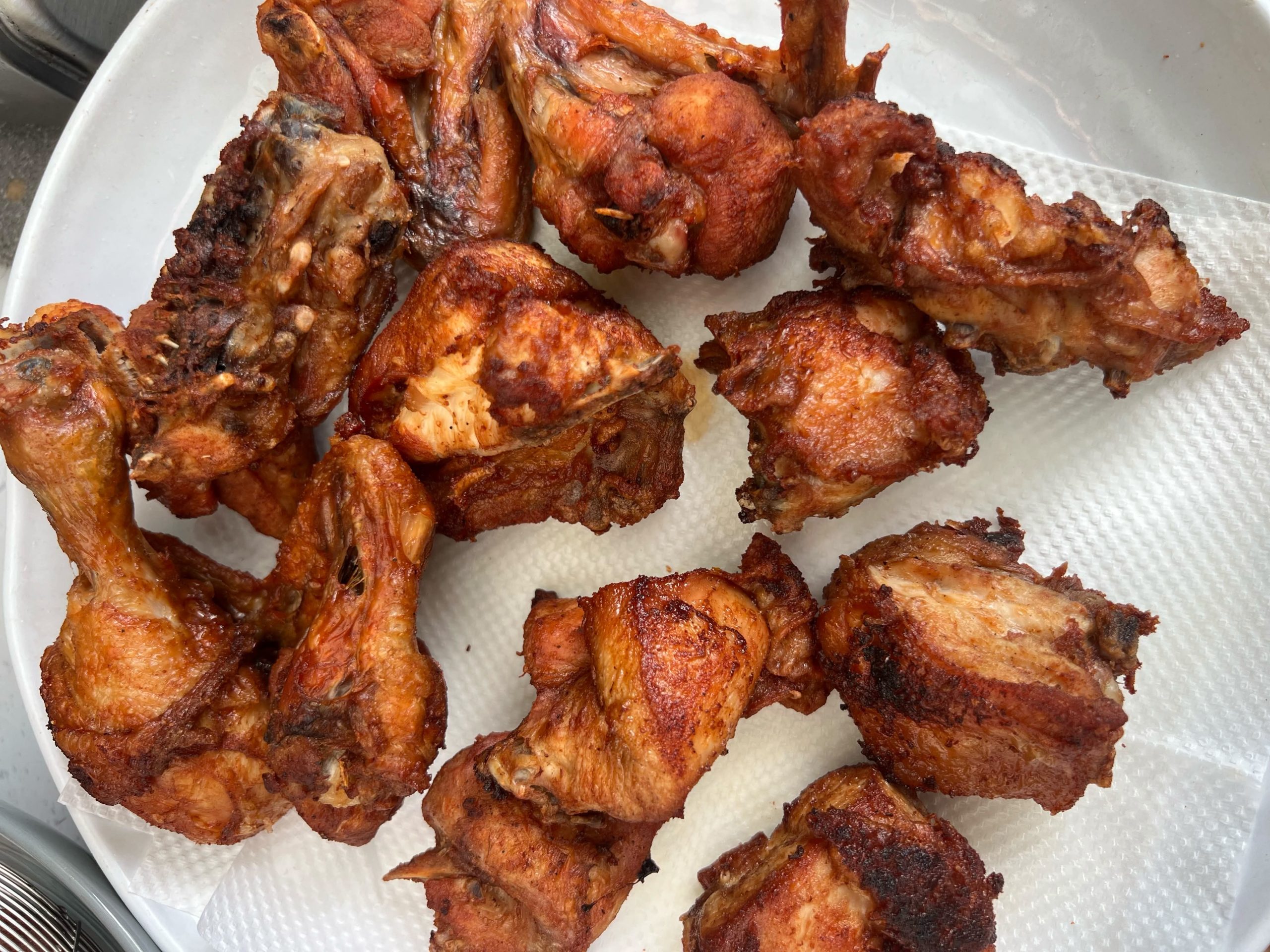
Few comfort foods are as satisfying as a plate of Crispy Golden Southern Fried Chicken Wings. These homemade wings feature a crunchy, well-seasoned coating and juicy, tender chicken inside. A buttermilk marinade helps the seasoning cling to the chicken, while a combination of all-purpose flour and cornstarch creates a crisp, golden crust.
Paprika, garlic powder, onion powder, cayenne pepper, and dried oregano bring warmth and savory flavor to every bite. A small amount of baking powder helps create a lighter, crispier coating, making these wings especially enjoyable when served fresh from the fryer.
Perfect for family dinners, game-day gatherings, parties, or weekend cooking, these Southern-style wings pair beautifully with ranch dressing, honey mustard, barbecue sauce, or a spicy dipping sauce. Although deep-frying requires some care, the preparation is straightforward, and the result is a crowd-pleasing dish with classic comfort-food appeal.
2. Origin
Fried chicken has a complex culinary history shaped by several cooking traditions. Deep-frying chicken became particularly associated with Southern American cuisine, where techniques and ingredients from African, European, and other food traditions influenced the development of regional dishes.
Black cooks, including enslaved African Americans and later generations of professional and home cooks, played a major role in shaping Southern fried chicken. Over time, seasoned flour coatings, cast-iron frying, and family recipes became important parts of the dish’s identity.
Chicken wings became especially popular as a snack and appetizer in modern American food culture. Their relatively small size makes them ideal for sharing, while their surface area allows seasonings and crispy coatings to deliver plenty of flavor.
This recipe is inspired by Southern-style buttermilk fried chicken techniques, adapted specifically for wings and drumettes. The combination of buttermilk, seasoned flour, and cornstarch creates a crisp coating while keeping the preparation manageable for home cooks.
3. Cultural Significance
Southern fried chicken is more than a popular meal; it is part of a broader culinary tradition associated with family gatherings, celebrations, restaurants, and community events. Recipes vary widely from household to household, with different combinations of spices, marinades, coatings, and frying methods.
Chicken wings have also become a staple of American game-day food. They are frequently served at football parties, casual get-togethers, and restaurant gatherings because they are easy to share and can be prepared with many different sauces.
This crispy version brings together the familiar flavors of Southern-style fried chicken and the convenience of bite-sized party food. Its seasoned coating offers plenty of flavor on its own, while dipping sauces allow everyone to customize each bite.
Whether served in a large platter for guests or as the main dish at a family dinner, these wings deliver a classic combination of crunch, savory seasoning, and juicy chicken.
4. Ingredients and Quantities
This recipe serves approximately four to five people, depending on appetite and side dishes.
For the chicken and buttermilk marinade
- 2 pounds chicken wings and drumettes
- 1 cup buttermilk
- 1 tablespoon hot sauce, optional
- 1 teaspoon salt
- 1/2 teaspoon black pepper
- 1 teaspoon garlic powder
- 1 teaspoon paprika
- 1/2 teaspoon onion powder
For the crispy coating
- 2 cups all-purpose flour
- 1/2 cup cornstarch
- 1 teaspoon paprika
- 1 teaspoon garlic powder
- 1 teaspoon onion powder
- 1/2 teaspoon cayenne pepper
- 1 teaspoon dried oregano
- 1/2 teaspoon black pepper
- 1 teaspoon salt
- 1/2 teaspoon baking powder
For frying
- Approximately 4 cups vegetable oil, or enough to safely deep-fry the chicken in your chosen pot
For serving
- Ranch dressing, optional
- Honey mustard, optional
- Barbecue sauce, optional
- Hot sauce, optional
- Fresh lemon wedges, optional
Ingredient Notes
Chicken wings: A combination of flats and drumettes provides a good variety of textures. Choose similarly sized pieces so they cook at a similar rate.
Buttermilk: Its mild acidity helps tenderize the chicken’s surface and allows the marinade to cling well. If buttermilk is unavailable, a substitute can be made by adding one tablespoon of lemon juice or white vinegar to one cup of milk and letting it stand for about five minutes. The texture and flavor will differ slightly.
All-purpose flour: Flour forms the main structure of the coating and creates the familiar golden crust.
Cornstarch: Adding cornstarch reduces some of the coating’s gluten content and helps produce a lighter, crispier texture.
Paprika: Regular paprika contributes color and a mild pepper flavor. Smoked paprika can be used for a subtle smoky note.
Cayenne pepper: This adds heat to the coating. Reduce the quantity if you prefer milder wings.
Baking powder: A small amount helps create a lighter coating. Use baking powder rather than baking soda, which behaves differently and can affect the flavor.
Vegetable oil: Choose a neutral oil suitable for deep-frying, such as canola, sunflower, or peanut oil if there are no peanut allergies. Avoid filling the pot too high, since hot oil needs room to bubble safely around the chicken.
5. Optional Additions
These wings can be customized with different seasonings and sauces without changing the basic cooking method.
- Smoked paprika: Replace some of the regular paprika for a deeper, smoky flavor.
- Cajun seasoning: Add a small amount to the flour mixture for a bolder, spicier coating. Check its salt content before adding extra salt.
- Dried thyme: A little thyme adds an earthy, aromatic note.
- Mustard powder: Include a small amount in the coating for extra savory depth.
- Blackened seasoning: Use a modest amount for a stronger peppery flavor.
- Lemon pepper: Add lemon pepper seasoning to the coating or sprinkle a little over the finished wings.
- Buffalo sauce: Toss the cooked wings with a prepared Buffalo-style sauce just before serving.
- Honey garlic sauce: Coat the finished wings in a separate honey-garlic sauce for a sweet and savory variation.
- Fresh parsley: Sprinkle chopped parsley over the cooked wings for color and a fresh herbal note.
- Garlic Parmesan topping: Toss the hot wings with finely grated Parmesan and a little garlic butter immediately before serving.
For the crispiest result, serve the wings with sauces on the side rather than coating them in a wet sauce well before serving. This helps preserve the crunch of the crust.
6. Tips for Success
Marinate in the refrigerator. Keep the chicken refrigerated throughout marination. One hour provides a useful starting point, while four hours allows more time for the flavors to develop. Avoid leaving raw chicken at room temperature.
Use similarly sized pieces. Wings and drumettes vary in thickness. Selecting pieces of a similar size helps them cook more evenly.
Season the coating thoroughly. Mix the dry ingredients until the spices are evenly distributed. This ensures that the crust has flavor throughout rather than only in a few spots.
Create crispy flakes. Drizzle about two tablespoons of the buttermilk marinade into the flour mixture and rub it in with clean fingers or a fork. This creates small clumps that stick to the chicken and form extra-crunchy patches during frying.
Press the coating onto the chicken. After removing each piece from the marinade, let excess liquid drip away. Press the chicken firmly into the flour mixture, turning it to coat every surface.
Let the coating settle. Place the coated pieces on a clean rack for about five minutes before frying. This short rest can help the coating adhere more securely. Keep raw chicken separate from ready-to-eat foods.
Maintain the oil temperature. Aim for approximately 350°F (175°C) before adding the chicken. The temperature will fall when cold chicken enters the oil, so use a thermometer and allow the oil to recover between batches.
Fry in small batches. Overcrowding lowers the oil temperature, which can make the coating greasy and pale. Leave enough room for the pieces to move freely.
Use a thermometer for safety. Color alone cannot confirm that chicken is fully cooked. Check the thickest part of each piece, avoiding contact with the bone. Chicken must reach an internal temperature of 165°F (74°C).
Drain on a wire rack. A rack allows excess oil to drip away while air circulates around the crust. Paper towels can trap steam underneath the chicken and soften the coating.
Serve promptly. Fried wings are at their crispiest shortly after cooking. If preparing multiple batches, keep finished wings warm in a low oven on a rack while ensuring they remain at a safe temperature.
7. Instructions
Step 1: Prepare the Chicken
Pat the chicken wings and drumettes dry with paper towels to remove excess surface moisture.
If the wings are whole, separate them into flats and drumettes at the joints using a sharp knife. Remove and discard the wing tips if desired.
Place the chicken in a large, nonreactive bowl or a food-safe container.
Step 2: Make the Buttermilk Marinade
Add the buttermilk, optional hot sauce, salt, black pepper, garlic powder, paprika, and onion powder to the chicken.
Mix thoroughly until every piece is coated. The buttermilk should cover the chicken as evenly as possible.
Step 3: Marinate the Chicken
Cover the container and refrigerate for at least one hour. For a deeper flavor, marinate for approximately four hours.
Keep the chicken refrigerated during this time. Do not reuse the raw marinade as a dipping sauce unless it is thoroughly cooked first.
Step 4: Prepare the Crispy Coating
In a large bowl, combine the all-purpose flour, cornstarch, paprika, garlic powder, onion powder, cayenne pepper, dried oregano, black pepper, salt, and baking powder.
Whisk until the mixture is evenly blended and no large pockets of seasoning remain.
For extra-crispy flakes, drizzle about two tablespoons of the buttermilk marinade into the flour mixture. Rub it gently through the flour to create small, irregular clumps.
Step 5: Coat the Chicken
Remove one piece of chicken from the marinade and allow excess liquid to drip back into the container.
Place it in the seasoned flour mixture and press firmly so the coating adheres to the surface. Turn the piece several times to cover all sides, including the edges and crevices.
Lift the chicken and shake off loose flour. Transfer it to a clean rack or tray and repeat with the remaining pieces.
Let the coating settle for about five minutes while you prepare the frying station.
Step 6: Heat the Oil
Pour the vegetable oil into a deep, heavy-bottomed pot, leaving plenty of space at the top to accommodate bubbling oil.
Attach a cooking thermometer if available and heat the oil to 350°F (175°C) over medium heat.
Never leave heating oil unattended. Keep water away from the pot, use long-handled utensils, and avoid adding chicken while the oil is smoking.
Step 7: Fry the Chicken
Carefully lower a few coated chicken pieces into the hot oil using tongs. Add them slowly to reduce splashing.
Fry in small batches for approximately 10–14 minutes, turning occasionally, depending on the size and thickness of the pieces.
Monitor the oil temperature throughout cooking. Adjust the heat as necessary to keep it near the target temperature without allowing it to become excessively hot.
The coating should gradually turn a rich golden brown. Before serving, confirm that the thickest part of every piece has reached at least 165°F (74°C), avoiding contact between the thermometer probe and the bone.
If a piece has browned before its center reaches the safe temperature, lower the heat and continue cooking carefully until it is done.
Step 8: Drain the Fried Chicken
Remove the cooked wings with clean tongs or a slotted utensil designed for hot oil.
Place them on a wire rack set over a rimmed baking sheet. Allow excess oil to drain away while air circulates around the coating.
Avoid stacking the wings, since trapped steam can soften their crispy crust.
Step 9: Rest and Serve
Let the wings rest for approximately three to five minutes before serving.
Arrange them on a platter and garnish with chopped parsley or lemon wedges if desired. Serve immediately with ranch dressing, honey mustard, barbecue sauce, or another favorite dip.
For a sauced variation, toss the cooked wings with a prepared sauce just before serving, or offer the sauce on the side to preserve the crispy coating.
8. Description
Crispy Golden Southern Fried Chicken Wings deliver the contrast that makes fried chicken so appealing: a crunchy, seasoned exterior surrounding tender, juicy meat.
The flour and cornstarch coating creates a crisp shell, while paprika gives it a beautiful golden color. Garlic, onion, oregano, and black pepper build savory flavor, and cayenne adds a gentle kick that can be adjusted to suit your preference.
The buttermilk marinade helps the coating cling to the chicken and contributes a subtle tang. Served fresh from the fryer, the wings pair especially well with cool, creamy dips or sweet and smoky barbecue sauce.
They are versatile enough for a casual dinner and flavorful enough to serve at parties, potlucks, and game-day gatherings. Whether enjoyed plain or with your favorite sauce, these wings are a satisfying homemade alternative to takeout.
9. Nutritional Information
The following values are estimates for one serving, assuming the recipe serves five people and some of the frying oil remains in the pot rather than being absorbed by the chicken. Actual nutrition will vary depending on the size of the wings, the amount of coating retained, and the quantity of oil absorbed during frying.
Estimated nutrition per serving:
- Calories: 450–600
- Protein: 28–36 g
- Carbohydrates: 30–45 g
- Fat: 22–35 g
- Saturated Fat: 4–8 g
- Fiber: 1–3 g
- Sodium: 650–1,000 mg
Chicken provides protein, while the flour and cornstarch coating supplies most of the carbohydrates. The frying oil contributes much of the fat and total energy. Seasoning blends and dipping sauces can increase sodium levels considerably.
For a lighter variation, consider oven-baking or air-frying the coated wings with a light coating of oil. These methods can reduce the amount of added fat, although the final texture may differ from traditional deep-fried chicken.
10. Storage and Food Safety
Proper handling is essential when cooking chicken and working with hot oil.
- Refrigeration: Refrigerate leftover cooked wings in a shallow, airtight container within two hours of cooking, or within one hour if the surrounding temperature is above 90°F (32°C).
- Storage time: Keep leftovers refrigerated at 40°F (4°C) or below and eat them within 3–4 days.
- Reheating: Reheat leftover chicken until the thickest part reaches 165°F (74°C). An oven or air fryer can help restore crispness.
- Freezing: Freeze cooled wings in a freezer-safe container or bag for best quality. Label the container with the date and use within a few months for good texture.
- Raw chicken: Keep raw chicken and its marinade away from cooked foods, vegetables, and clean utensils. Wash hands and surfaces thoroughly after handling raw poultry.
- Oil safety: Never pour water onto hot oil. If cooking oil catches fire, do not use water; turn off the heat if it is safe to do so and cover the pan with a metal lid. Leave the area and contact emergency services if the fire cannot be safely controlled.
Discard cooked chicken that has been left at room temperature beyond the recommended time limits. When reheating, avoid repeated cycles of cooling and warming, and heat only the portions you plan to serve.
11. Conclusion
Crispy Golden Southern Fried Chicken Wings are a flavorful homemade favorite that combines juicy chicken with a crunchy, seasoned crust. The buttermilk marinade helps build flavor, while flour, cornstarch, and a carefully controlled frying temperature create the crisp texture that makes these wings so enjoyable.
The seasoning can be adjusted to make the chicken milder, spicier, smokier, or more herbaceous. You can also serve the wings with different dips to create a platter suited to family dinners, parties, and casual gatherings.
With a little attention to oil temperature and safe cooking practices, this recipe provides a reliable way to make golden fried wings at home. For the best results, serve them fresh while the coating is crisp and the meat is hot and tender.
12. Recommendation
Serve these wings with classic sides such as coleslaw, corn on the cob, potato wedges, baked potatoes, or a fresh green salad. A creamy ranch dip balances the spices, while honey mustard offers sweetness and tang. Barbecue sauce is another excellent choice for a smoky finish.
For a party platter, arrange the wings on a large serving dish and offer two or three dipping sauces separately. Add celery sticks, carrot sticks, and lemon wedges for freshness and variety.
If you are cooking for a group, fry the chicken in batches and keep the finished wings warm on a wire rack in a low oven. Avoid covering them tightly, as trapped steam can soften the crust.
For another flavor variation, try Buffalo wings tossed in a spicy sauce or honey garlic wings finished with a sweet, savory glaze.
13. Embracing Healthful Indulgence
Enjoying comfort food can fit into a varied eating pattern, and homemade fried chicken gives you control over the ingredients, seasoning, portion sizes, and cooking method.
For a lighter approach, serve a moderate portion of wings with fresh vegetables or a crisp salad. You can reduce the salt in the coating, choose a dipping sauce with less added sugar, or experiment with baking and air-frying to use less oil.
The original deep-fried version offers a distinctive crunch that many people enjoy, and there is no need to eliminate favorite foods to make thoughtful choices. Paying attention to preparation, serving size, and the balance of the overall meal can help you enjoy these wings as part of a flexible approach to eating.
Whether you prepare them for a special gathering or a relaxed weekend meal, these crispy Southern-style wings are a reminder that homemade food can be both comforting and full of flavor.