
1. Introduction
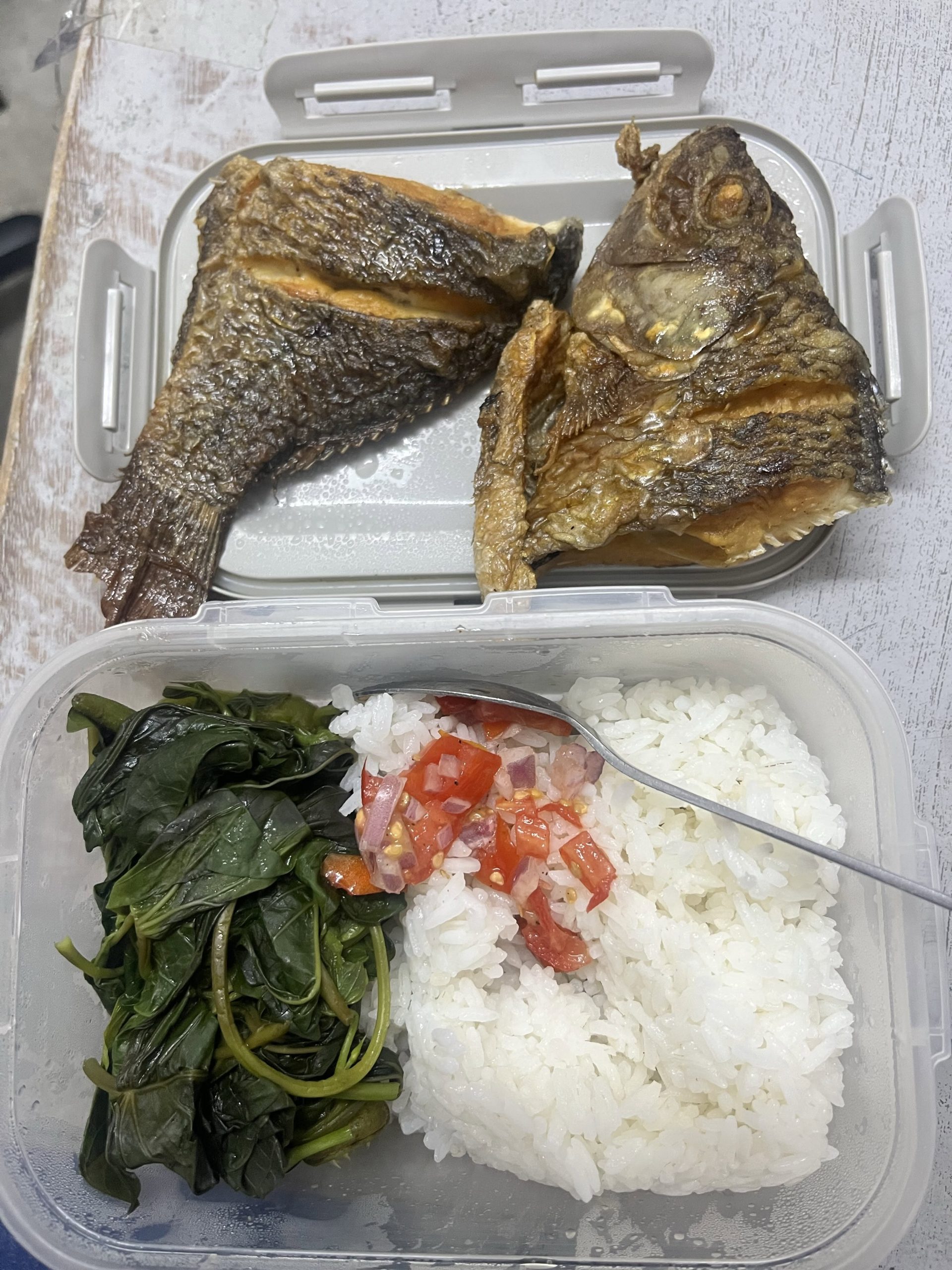
Crispy Pritong Tilapia is a classic Filipino comfort food featuring beautifully golden, crispy fish skin and tender, flavorful meat.
This simple dish transforms fresh tilapia into a delicious meal using just a few basic ingredients: fish, salt, and cooking oil.
The secret to achieving the perfect texture lies in thoroughly drying the fish, seasoning it evenly, and frying it at the correct temperature.
Whether served with steamed white rice, fresh vegetables, or a tangy Filipino dipping sauce, Pritong Tilapia is a satisfying dish that brings the comforting flavors of home cooking to the table.
Best of all, this recipe requires minimal preparation and can be ready in approximately 30 minutes.
2. Origin and Cultural Significance
Pritong Tilapia is a popular everyday dish in the Philippines.
The name comes from the Filipino word prito, meaning fried, while tilapia refers to the freshwater fish commonly used in the recipe.
Fried fish is a familiar part of Filipino home cooking because it requires relatively few ingredients and pairs naturally with rice and flavorful dipping sauces.
Unlike recipes that rely on complicated marinades, traditional Pritong Tilapia often uses a simple coating of salt before frying.
Filipino recipe developer Vanjo Merano of Panlasang Pinoy describes fried tilapia as a straightforward dish prepared in different ways by Filipino households. panlasangpinoy.com
Pritong Tilapia is commonly served with steamed rice and condiments such as spiced vinegar, soy sauce, and calamansi juice.
Its crispy exterior and tender interior make it a comforting choice for lunch or dinner.
3. Ingredients
Preparation: 10–15 minutes | Cooking: 12–16 minutes | Servings: 2–3
For the Fried Tilapia
- 1 whole tilapia, cleaned, scaled, gutted, and cut into serving pieces if desired
- 1–2 teaspoons coarse salt, adjusted to the size of the fish
- 1 lime or several calamansi, optional
- Cooking oil, enough for shallow-frying
Optional Seasonings
- ½ teaspoon ground black pepper
- ½ teaspoon garlic powder
- ¼ teaspoon paprika
Optional Filipino Dipping Sauce
- 2 tablespoons soy sauce
- 1 tablespoon fresh calamansi or lime juice
- 1 small red chili, finely chopped
- 1 small garlic clove, minced
For Serving
- Freshly steamed white rice
- Sliced tomatoes
- Fresh cucumber
- Lime or calamansi wedges
4. Optional Additions and Variations
Pritong Tilapia can be prepared in several delicious ways.
Garlic Fried Tilapia
Add minced garlic or garlic powder to the seasoning mixture for a stronger savory flavor.
Spicy Fried Tilapia
Rub the fish with a small amount of chili powder or cayenne pepper before frying.
Lightly Floured Tilapia
Dust the fish with a thin layer of all-purpose flour or cornstarch.
This creates an additional crisp coating, although traditional versions are often fried without flour.
Calamansi-Flavored Tilapia
Rub the fish with a small amount of calamansi juice before seasoning.
Pat it thoroughly dry before adding it to the hot oil.
Air-Fried Tilapia
For a variation using less oil, lightly coat the fish with oil and cook it in an air fryer at approximately 375°F (190°C).
Cooking time varies with the size and thickness of the fish. Cook until the thickest part reaches 145°F (63°C).
5. Tips for Making Perfect Crispy Fried Tilapia
Dry the fish thoroughly
Moisture is one of the biggest obstacles to achieving crispy fish skin.
Use paper towels to dry the exterior and exposed flesh.
This also helps reduce dangerous splattering when the fish enters hot oil.
Use a wide frying pan
Choose a pan large enough to hold the fish without crowding.
Overcrowding lowers the oil temperature and can prevent the skin from becoming crispy.
Maintain a steady oil temperature
For shallow-frying, aim for an oil temperature around 340–350°F (170–175°C).
If the oil is too cool, the fish may absorb excess oil.
If the oil is too hot, the exterior can burn before the center cooks.
Avoid turning too early
Allow the fish to develop a golden crust before turning.
Moving it repeatedly can tear the delicate skin.
Season evenly
Rub salt over the exterior, into the diagonal cuts, and inside the cavity if cooking the fish whole.
Cook the fish completely
Tilapia should reach a minimum internal temperature of 145°F (63°C), measured in the thickest part without touching a bone. FoodSafety.gov
6. Step-by-Step Instructions
Step 1: Prepare the Tilapia
Start with a fresh tilapia that has been properly scaled and gutted.
Remove any remaining scales and check that the interior cavity has been cleaned.
If preferred, cut the fish into serving portions, such as head, center, and tail sections.
Keep the pieces relatively similar in thickness when possible.
Food-safety note: Avoid rinsing raw fish under running water, which can spread bacteria around the sink. The FDA recommends handling raw fish without washing it. FDA
Step 2: Dry the Fish
Place the tilapia on a clean cutting board or tray.
Use paper towels to pat every surface dry.
Pay special attention to the skin and exposed areas of flesh.
Removing excess surface moisture helps produce a crisp exterior during frying.
Step 3: Score the Fish
If using a whole tilapia or thick sections, make two or three shallow diagonal cuts on each side.
These cuts allow the seasoning to reach more of the flesh and help the fish cook evenly.
Avoid cutting too deeply into the bones.
Step 4: Season with Salt
Sprinkle approximately 1 teaspoon of coarse salt over the fish, using more only if needed for a large fish.
Rub the seasoning evenly across the skin, inside the diagonal cuts, and into the cavity.
If desired, add a small pinch of black pepper or garlic powder.
Allow the fish to rest for approximately 5–10 minutes in the refrigerator.
Pat away any moisture that collects on the surface before frying.
Step 5: Heat the Cooking Oil
Place a wide, heavy-bottomed frying pan over medium-high heat.
Pour in enough cooking oil to reach approximately ½ inch up the sides of the pan.
Heat the oil to around 340–350°F (170–175°C).
Use a cooking thermometer when available.
The oil should be hot enough to sizzle steadily when the fish is added, without smoking.
Step 6: Carefully Add the Tilapia
Using kitchen tongs or a slotted spatula, carefully lower the tilapia pieces into the hot oil.
Lower them gently, positioning the fish away from yourself to reduce the risk of splashing.
Avoid dropping the fish into the pan.
Do not overcrowd the frying surface.
If necessary, cook the fish in batches.
Step 7: Fry the First Side
Allow the tilapia to cook undisturbed for approximately 6–8 minutes, depending on thickness.
The skin should gradually develop a beautiful golden-brown color.
Small sections may cook faster, while larger pieces may require additional time.
Avoid moving the fish until the bottom develops a firm crust.
Step 8: Turn the Fish
Carefully flip each piece using a wide spatula or tongs.
Fry the second side for approximately 6–8 minutes, adjusting the time according to the size of the fish.
Continue until both sides are golden and crispy.
The flesh should be opaque and separate easily with a fork.
Confirm that the thickest portion has reached 145°F (63°C).
Step 9: Drain the Excess Oil
Remove the cooked fish from the frying pan.
Transfer it to a wire rack placed over a baking tray.
A wire rack helps excess oil drain while allowing air to circulate around the fish.
If a rack is unavailable, place the tilapia briefly on a plate lined with paper towels.
Step 10: Prepare the Dipping Sauce
In a small bowl, combine:
- 2 tablespoons soy sauce
- 1 tablespoon calamansi or lime juice
- 1 finely chopped chili
- 1 minced garlic clove
Stir thoroughly.
Adjust the acidity and seasoning to taste.
This tangy dipping sauce complements the crispy fish beautifully.
Step 11: Serve Immediately
Arrange the fried tilapia pieces on a serving plate.
Place a bowl of dipping sauce alongside the fish.
Add steamed white rice, sliced tomatoes, or cucumber if desired.
Serve immediately while the skin remains hot and crispy.
7. Description: What Does Pritong Tilapia Taste Like?
Pritong Tilapia is loved for its simple yet satisfying combination of flavor and texture.
The exterior develops a deeply golden, crispy skin with a pleasant crunch.
Inside, the tilapia remains tender, flaky, and mildly sweet.
Salt enhances the fish’s natural flavor without overwhelming it.
Unlike heavily breaded fried fish, this version allows the tilapia itself to remain the main attraction.
When paired with calamansi-soy dipping sauce, each bite gains a refreshing balance of saltiness and acidity.
Fresh tomatoes and cucumbers add a light contrast to the richness of the fried fish.
Together with steamed rice, these elements create a comforting Filipino-style meal.
8. Nutritional Information
Tilapia is a source of lean protein and provides several important nutrients.
However, the nutritional content of fried tilapia depends on the size of the fish and the amount of oil absorbed during cooking.
The following values are broad estimates per serving, assuming one medium-to-large tilapia is divided into approximately three portions.
| Nutrient | Estimated Amount |
|---|---|
| Calories | 180–300 kcal |
| Protein | 22–32 g |
| Carbohydrates | 0–2 g |
| Total Fat | 9–19 g |
| Saturated Fat | 1.5–4 g |
| Dietary Fiber | 0 g |
| Sodium | Varies with salt and dipping sauce |
These values exclude rice, vegetables, and optional dipping sauce.
Tilapia provides protein, vitamin B12, and other nutrients.
Shallow-frying with a controlled amount of oil can help limit the added fat compared with deeper frying, although actual oil absorption varies.
9. Recipe Details
| Category | Details |
|---|---|
| Recipe Name | Crispy Pritong Tilapia |
| Cuisine | Filipino |
| Course | Main Dish |
| Preparation Time | 10–15 Minutes |
| Cooking Time | 12–16 Minutes |
| Total Time | Approximately 25–35 Minutes |
| Servings | 2–3 |
| Cooking Method | Shallow-Frying |
| Difficulty | Easy |
| Main Ingredient | Fresh Tilapia |
| Main Seasoning | Salt |
| Texture | Crispy Outside, Tender Inside |
| Best Served With | Steamed Rice and Calamansi-Soy Sauce |
10. Conclusion
Crispy Pritong Tilapia is proof that delicious homemade meals do not require complicated ingredients.
With fresh tilapia, salt, and cooking oil, you can prepare a traditional Filipino-style fried fish dish featuring golden, crispy skin and tender, flavorful meat.
The preparation is straightforward, making it suitable for both beginner and experienced home cooks.
Drying the fish thoroughly, maintaining the correct oil temperature, and avoiding excessive turning are the keys to achieving excellent results.
Whether served for lunch or dinner, this comforting dish pairs wonderfully with rice and a tangy dipping sauce.
11. Recommendations for Serving and Storage
Best Side Dishes
Pritong Tilapia pairs beautifully with several Filipino-inspired accompaniments.
- Steamed white rice: A classic pairing for fried fish.
- Garlic fried rice: Adds another layer of savory flavor.
- Ensaladang talong: Filipino-style roasted eggplant salad.
- Fresh tomato and onion salad: Provides acidity and freshness.
- Pickled vegetables: Help balance the richness of the fish.
- Steamed vegetables: Create a lighter, more balanced meal.
Storage Instructions
For leftover fried tilapia:
- Allow the fish to stop steaming.
- Transfer it to a shallow, airtight container.
- Refrigerate within 2 hours of cooking.
- Keep refrigerated at 40°F (4°C) or below.
- Consume within 3–4 days, although the skin will be crispest when freshly cooked.
Reheating Tips
For the best texture, reheat the fish in an oven or air fryer at approximately 350°F (175°C) until thoroughly heated.
Leftovers should reach 165°F (74°C) when reheated.
Avoid reheating the fish repeatedly, as it can become dry.
Important Serving Tip
Whole tilapia and cut fish sections may contain small bones.
Carefully remove the bones before serving to young children.
12. Embracing Healthful Indulgence
Pritong Tilapia offers a satisfying way to enjoy fish as part of a varied diet.
Tilapia provides protein, while simple seasonings allow its natural flavor to remain prominent.
Although frying adds fat, serving moderate portions alongside vegetables and rice can create a balanced meal.
For a lighter alternative, consider air-frying or baking the tilapia with a small amount of oil.
You can also reduce the sodium content by using less salt and serving calamansi or lime juice instead of a soy-based dipping sauce.
Whether prepared traditionally in a frying pan or adapted to your preferences, Crispy Pritong Tilapia remains a comforting, flavorful meal that celebrates the simplicity of Filipino home cooking.