
1. Introduction
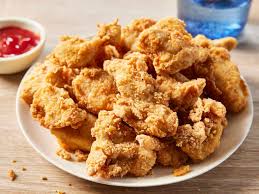
Extra-Crispy Double-Fried Chicken Wings are a delicious, restaurant-style dish featuring golden-brown chicken wings with an incredibly crunchy exterior and tender, juicy meat inside.
The secret to achieving this irresistible texture lies in two essential techniques: coating the wings with a combination of all-purpose flour and cornstarch, and frying them twice at different temperatures.
Unlike traditional fried chicken wings that are cooked only once, double-fried wings undergo two separate frying stages.
The first frying stage gently cooks the chicken while setting the seasoned coating.
After a short resting period, the wings are returned to hotter oil for a second fry, creating a deeply golden, crisp exterior.
This method helps remove additional moisture from the coating, producing a satisfying crunch that can hold up better when paired with sauces.
The seasoning blend is simple but flavorful.
Kosher salt enhances the natural taste of the chicken, while garlic powder and onion powder add savory depth.
Smoked paprika contributes a subtle smoky flavor and warm color, while black pepper provides a gentle kick.
The flour and cornstarch mixture creates a coating that becomes beautifully crisp during frying.
These wings can be served plain, allowing the seasoned crust to shine, or tossed in a flavorful sauce such as buffalo, barbecue, or hot honey.
They are perfect for family dinners, weekend gatherings, parties, game-day snacks, and special occasions.
Although double-frying requires a little extra attention, the process is straightforward when the oil temperature is monitored carefully.
The result is a batch of crispy, golden chicken wings with a texture and flavor that rival those served in restaurants.
2. Origin and Cultural Significance
Fried chicken wings are enjoyed in many culinary traditions around the world.
Different cultures have developed their own methods of seasoning, coating, frying, and serving chicken wings.
The Popularity of Fried Chicken Wings
Chicken wings became especially popular in American casual dining, where they are commonly served as appetizers, snacks, and party foods.
Buffalo wings, associated with Buffalo, New York, are one of the best-known American wing preparations.
Traditional Buffalo wings are generally fried without a flour coating and tossed in a buttery hot sauce.
Other American-style fried wings use seasoned flour, starch, or a combination of coatings to create a crunchy exterior.
Double-Frying Techniques
Double-frying is a technique used in several culinary traditions.
It is particularly associated with Korean fried chicken, where chicken is often fried twice to develop a thin, crisp exterior.
Double-frying is also used in other fried foods, including French fries.
The technique works by cooking the food during the first frying stage and then removing additional surface moisture during the second.
This produces a drier, firmer crust.
Flour and Cornstarch Coatings
All-purpose flour provides structure and helps seasonings adhere to the chicken.
Cornstarch contributes a lighter, crispier texture.
When combined, the two ingredients create a coating that develops a golden crust during frying.
This combination is common in many modern fried chicken recipes.
A Versatile Modern Favorite
Extra-Crispy Double-Fried Chicken Wings are not limited to one specific cuisine.
They can be seasoned and served in different styles.
Some versions emphasize garlic and paprika, while others use soy sauce, ginger, chili, or sweet glazes.
The recipe below focuses on a classic savory seasoning blend and a double-frying method designed to produce exceptionally crunchy wings.
3. Ingredients
This recipe makes approximately 4–6 servings.
A. Chicken
| Ingredient | Quantity |
|---|---|
| Chicken wings, separated into drumettes and flats, tips removed | 3 pounds (approximately 1.36 kg) |
B. Crispy Flour and Cornstarch Coating
| Ingredient | Quantity |
|---|---|
| All-purpose flour | 1 cup |
| Cornstarch | ½ cup |
C. Seasoning Blend
| Ingredient | Quantity |
|---|---|
| Kosher salt | 1 tablespoon |
| Garlic powder | 1 tablespoon |
| Onion powder | 1 tablespoon |
| Smoked paprika | 1 teaspoon |
| Black pepper | 1 teaspoon |
D. Frying Oil
| Ingredient | Quantity |
|---|---|
| Neutral cooking oil, such as vegetable, canola, or peanut oil | Approximately 2 quarts, or enough for safe frying |
E. Optional Serving Sauces
| Sauce | Quantity |
|---|---|
| Buffalo sauce | As desired |
| Barbecue sauce | As desired |
| Hot honey glaze | As desired |
| Garlic sauce | As desired |
| Spicy chili sauce | As desired |
F. Equipment
- Large Dutch oven or deep, heavy-bottomed pot
- Deep-frying thermometer
- Large mixing bowls
- Small mixing bowl
- Measuring cups and spoons
- Kitchen tongs
- Slotted spoon or spider strainer
- Wire cooling rack
- Rimmed baking sheet
- Paper towels
- Instant-read meat thermometer
- Serving platter
4. Optional Additions
These crispy chicken wings can be customized with different seasonings, sauces, and garnishes.
Cayenne Pepper: Add a small pinch to the seasoning mixture for extra heat.
Chili Powder: Include a little chili powder for a warm, spicy flavor.
White Pepper: Add a pinch for a different peppery finish.
Dried Oregano: Mix into the flour coating for an herbal note.
Dried Thyme: Add a small amount for additional aroma.
Lemon Pepper Seasoning: Sprinkle over the wings after frying.
Garlic Parmesan: Toss the cooked wings with garlic butter and grated Parmesan.
Buffalo Sauce: Coat the wings in a spicy, buttery sauce.
Barbecue Sauce: Use a smoky, sweet barbecue glaze.
Hot Honey: Drizzle with honey mixed with chili flakes or hot sauce.
Sweet Chili Sauce: Serve as a dipping sauce.
Fresh Parsley: Sprinkle chopped parsley over the finished wings.
Green Onions: Add sliced green onions for color and freshness.
Sesame Seeds: Use as a garnish for an Asian-inspired variation.
Lemon Wedges: Serve alongside the wings for a bright citrus finish.
Ranch-Style Dip: Pair with a creamy herb dipping sauce.
Coleslaw: Serve with fresh coleslaw for a crunchy side.
The original recipe uses a balanced combination of garlic, onion, smoked paprika, salt, and black pepper, so additional seasonings are optional.
5. Tips for Success
Dry the Chicken Thoroughly
Excess moisture is one of the main obstacles to achieving crispy fried chicken.
Pat the wings dry with paper towels before seasoning.
Use Both Flour and Cornstarch
All-purpose flour provides structure, while cornstarch helps create a lighter, crispier coating.
Season Evenly
Distribute the seasoning mixture over all sides of the wings.
Press the Coating into the Skin
Gently pressing the flour mixture onto the chicken helps it adhere.
Shake Off Excess Flour
Thick clumps of coating can cook unevenly.
Rest the Coated Wings
Allow the coated wings to rest for approximately 15–30 minutes.
The coating should become slightly hydrated and tacky.
Use a Heavy Pot
A Dutch oven or heavy-bottomed pot retains heat and provides more stable frying temperatures.
Avoid Overfilling the Pot
Leave plenty of space above the oil to prevent dangerous overflow and splashing.
Monitor Oil Temperature
Use a deep-frying thermometer rather than guessing.
Fry in Small Batches
Overcrowding lowers the oil temperature and can produce greasy wings.
First Fry at 325°F
The first frying stage helps cook the chicken and set the coating.
Rest Between Frying Stages
Allow the wings to rest for approximately 5–10 minutes.
Second Fry at 375°F
The higher temperature helps create a crisp, golden exterior.
Use a Wire Rack
A wire rack allows air to circulate around the wings.
Check the Internal Temperature
Chicken wings must reach a safe internal temperature of at least 165°F (74°C).
Serve Immediately
The wings have the best texture shortly after frying.
Sauce Just Before Serving
If using a glaze, toss the wings immediately before serving to preserve as much crunch as possible.
6. Step-by-Step Instructions
Part A: Preparing the Chicken Wings
Step 1: Gather all ingredients and equipment.
Step 2: Remove the chicken wings from their packaging.
Step 3: Place the wings on a clean tray.
Step 4: Check that the wings are separated into drumettes and flats.
Step 5: Remove the wing tips if they are still attached.
Step 6: Inspect the chicken for any remaining feathers.
Step 7: Pat the wings thoroughly dry with paper towels.
Step 8: Turn each wing over.
Step 9: Dry the opposite side.
Step 10: Continue until little surface moisture remains.
Step 11: Transfer the dried wings to a large mixing bowl.
Part B: Preparing the Seasoning Blend
Step 12: Place a small mixing bowl on the countertop.
Step 13: Add 1 tablespoon kosher salt.
Step 14: Add 1 tablespoon garlic powder.
Step 15: Add 1 tablespoon onion powder.
Step 16: Add 1 teaspoon smoked paprika.
Step 17: Add 1 teaspoon black pepper.
Step 18: Stir the seasonings together.
Step 19: Continue mixing until evenly combined.
Part C: Seasoning the Chicken
Step 20: Sprinkle a portion of the seasoning blend over the wings.
Step 21: Toss the wings gently.
Step 22: Add the remaining seasoning.
Step 23: Turn the wings to coat all sides.
Step 24: Check that the drumettes are evenly seasoned.
Step 25: Check that the flats are evenly seasoned.
Step 26: Continue tossing until the seasonings are distributed.
Step 27: Set the seasoned wings aside briefly.
Part D: Preparing the Crispy Coating
Step 28: Place a large mixing bowl on the work surface.
Step 29: Measure 1 cup all-purpose flour.
Step 30: Add the flour to the bowl.
Step 31: Measure ½ cup cornstarch.
Step 32: Add the cornstarch.
Step 33: Whisk the two ingredients together.
Step 34: Break apart any lumps.
Step 35: Continue mixing until the coating is uniform.
Part E: Coating the Chicken Wings
Step 36: Place a few seasoned wings into the flour mixture.
Step 37: Toss gently to coat.
Step 38: Turn each wing over.
Step 39: Press the flour mixture lightly into the skin.
Step 40: Check that the entire surface is covered.
Step 41: Lift the wings from the flour mixture.
Step 42: Shake off excess coating.
Step 43: Transfer the coated wings to a wire rack.
Step 44: Repeat with the remaining chicken.
Step 45: Arrange the wings in a single layer.
Step 46: Leave a little space between the pieces.
Part F: Resting the Coated Wings
Step 47: Allow the coated wings to rest for approximately 15–30 minutes.
Step 48: Keep the wings refrigerated during the resting period.
Step 49: Watch as the flour coating absorbs some moisture from the chicken.
Step 50: Check that the coating looks slightly tacky rather than powdery.
Step 51: Avoid stacking the wings.
Step 52: Prepare the frying equipment while the coating rests.
Part G: Preparing the Frying Station
Step 53: Place a heavy Dutch oven or deep pot on the stove.
Step 54: Add enough neutral oil for deep-frying, keeping the pot no more than about halfway full.
Step 55: Attach a deep-frying thermometer.
Step 56: Place a clean wire rack over a rimmed baking sheet.
Step 57: Position the rack near the stove.
Step 58: Prepare a slotted spoon or spider strainer.
Step 59: Keep the surrounding work area dry.
Part H: Heating the Oil for the First Fry
Step 60: Turn the stove to medium-high heat.
Step 61: Allow the oil to heat gradually.
Step 62: Monitor the temperature.
Step 63: Wait until the oil reaches approximately 325°F (163°C).
Step 64: Reduce the heat slightly if the oil becomes too hot.
Step 65: Prepare the first batch of coated wings.
Part I: First Fry – Cooking the Chicken
Step 66: Carefully lower a few wings into the hot oil.
Step 67: Avoid overcrowding the pot.
Step 68: Allow the wings to begin frying.
Step 69: Maintain the oil near 325°F (163°C).
Step 70: Fry for approximately 7–8 minutes.
Step 71: Turn the wings halfway through cooking if necessary.
Step 72: Watch for the coating to become pale golden.
Step 73: Check that the wings are cooking evenly.
Step 74: Use a slotted spoon to remove the first batch.
Step 75: Transfer the wings to the prepared wire rack.
Step 76: Allow excess oil to drain.
Step 77: Check the oil temperature.
Step 78: Allow the oil to return to 325°F (163°C).
Step 79: Add the next batch of wings.
Step 80: Repeat until all the wings have completed the first frying stage.
Step 81: Check the thickest part of the wings with a meat thermometer.
Step 82: If any pieces have not yet reached 165°F (74°C), ensure they reach that temperature during the second fry before serving.
Part J: Resting Between Frying Stages
Step 83: Leave the wings on the wire rack.
Step 84: Allow them to rest for approximately 5–10 minutes.
Step 85: Keep the wings arranged in a single layer.
Step 86: Avoid covering them tightly.
Step 87: Allow excess surface steam to escape.
Step 88: Prepare to increase the oil temperature.
Part K: Heating the Oil for the Second Fry
Step 89: Increase the stove heat.
Step 90: Monitor the oil thermometer.
Step 91: Allow the oil to reach approximately 375°F (190°C).
Step 92: Adjust the heat to maintain a stable temperature.
Step 93: Prepare a small batch of previously fried wings.
Part L: Second Fry – Creating the Crunch
Step 94: Carefully lower the wings into the hot oil.
Step 95: Fry in small batches.
Step 96: Allow the wings to cook for approximately 4–5 minutes.
Step 97: Watch as the coating becomes a deeper golden brown.
Step 98: Turn the wings if necessary.
Step 99: Continue until the exterior looks crisp.
Step 100: Check that the chicken has reached an internal temperature of at least 165°F (74°C).
Step 101: Remove the wings with a slotted spoon.
Step 102: Transfer them to a clean wire rack.
Step 103: Allow excess oil to drain.
Step 104: Return the oil to 375°F (190°C).
Step 105: Repeat with the remaining wings.
Step 106: Continue until all wings are golden brown and fully cooked.
Part M: Draining the Finished Wings
Step 107: Arrange the wings in a single layer on the wire rack.
Step 108: Allow excess oil to drip onto the baking sheet.
Step 109: Avoid placing the wings directly onto paper towels.
Step 110: Allow the surface to remain exposed to air.
Step 111: Check that the coating is crisp and golden.
Part N: Optional Sauce Preparation
Step 112: Select your preferred serving sauce.
Step 113: Warm buffalo sauce, barbecue sauce, or hot honey glaze separately if necessary.
Step 114: Transfer the sauce to a large mixing bowl.
Step 115: Add the freshly fried wings.
Step 116: Toss quickly to coat.
Step 117: Avoid leaving the wings sitting in the sauce.
Step 118: Transfer immediately to a serving platter.
Part O: Serving
Step 119: Prepare a large serving platter.
Step 120: Arrange the crispy chicken wings neatly.
Step 121: Serve plain or with your preferred sauce.
Step 122: Add optional lemon wedges.
Step 123: Sprinkle with fresh herbs if desired.
Step 124: Place dipping sauces in small bowls.
Step 125: Serve immediately while hot and crunchy.
7. Description
Extra-Crispy Double-Fried Chicken Wings are golden-brown chicken pieces with a deeply crunchy exterior and juicy, tender meat.
The coating develops a beautiful golden color from the combination of flour, cornstarch, and seasonings.
Garlic powder and onion powder contribute savory flavor.
Smoked paprika adds warmth and a subtle smoky note.
Black pepper provides a gentle peppery finish.
The double-frying technique creates a crisp exterior that is noticeably firmer than a typical single-fried coating.
The first fry cooks the chicken and sets the crust.
The second fry removes additional moisture from the coating and deepens its color.
Inside, the chicken remains tender when cooked properly.
The finished wings can be served plain to highlight their seasoning and crunch.
They also pair beautifully with buffalo sauce, barbecue sauce, or hot honey glaze.
The contrast between crunchy skin and juicy meat makes these wings especially satisfying.
8. Nutritional Information
Approximate nutritional values per serving, assuming six servings and no added sauce:
| Nutrient | Estimated Amount |
|---|---|
| Calories | 400–600 kcal |
| Protein | 25–35 g |
| Carbohydrates | 15–25 g |
| Total Fat | 25–40 g |
| Saturated Fat | 5–9 g |
| Fiber | Less than 2 g |
| Sugar | Less than 2 g |
| Sodium | Variable |
| Cholesterol | Variable |
| Iron | Variable |
These are broad estimates. Actual values depend on the size and meat yield of the wings, amount of coating retained, oil absorption, and portion size. Optional sauces are not included.
9. Recipe Details
| Category | Details |
|---|---|
| Recipe Name | Extra-Crispy Double-Fried Chicken Wings |
| Cuisine | American-Inspired / International Fried Chicken |
| Preparation Time | Approximately 20 Minutes |
| Coating Rest Time | 15–30 Minutes |
| Between-Fry Rest Time | 5–10 Minutes |
| Cooking Time | Approximately 20 Minutes per Batch Sequence |
| Total Time | Approximately 55–90 Minutes, Depending on Batch Size |
| Servings | 4–6 |
| Difficulty | Intermediate |
| Main Protein | Chicken Wings |
| Main Coating | All-Purpose Flour and Cornstarch |
| Main Seasonings | Garlic Powder, Onion Powder, Smoked Paprika, Black Pepper |
| Cooking Method | Double Deep-Frying |
| First Fry Temperature | 325°F (163°C) |
| Second Fry Temperature | 375°F (190°C) |
| Safe Internal Temperature | 165°F (74°C) |
| Course | Appetizer / Main Course / Snack |
| Flavor Profile | Savory, Garlicky, Mildly Smoky |
| Texture | Extra-Crispy Exterior, Tender Interior |
| Best For | Parties, Family Dinners, Gatherings, Game-Day Snacks |
| Recommended Sauces | Buffalo, Barbecue, Hot Honey |
10. Conclusion
Extra-Crispy Double-Fried Chicken Wings are a flavorful homemade dish that combines a seasoned flour-and-cornstarch coating with a carefully controlled two-stage frying process.
The recipe begins with thoroughly dried chicken wings seasoned with kosher salt, garlic powder, onion powder, smoked paprika, and black pepper.
The wings are coated in flour and cornstarch, then rested briefly to help the coating adhere.
The first frying stage at 325°F (163°C) cooks the chicken and sets the crust.
After a short resting period, the wings are fried again at 375°F (190°C) to develop a deeper golden color and an exceptionally crunchy exterior.
Using a wire rack for draining helps prevent trapped steam from softening the coating.
The finished wings are delicious on their own or paired with sauces such as buffalo, barbecue, and hot honey.
This recipe is ideal for anyone who enjoys restaurant-style fried chicken with a satisfying crunch.
With careful temperature control and proper frying technique, these double-fried chicken wings can become a favorite for family meals, parties, and special occasions.
11. Serving and Storage Recommendations
Serving Suggestions: Serve immediately after the second frying stage.
Buffalo Sauce: Toss with buffalo sauce for a spicy variation.
Barbecue Sauce: Pair with smoky barbecue sauce.
Hot Honey: Drizzle with hot honey glaze for a sweet and spicy finish.
Garlic Sauce: Serve with a creamy garlic dipping sauce.
Coleslaw: Pair with fresh coleslaw for a crunchy side.
French Fries: Serve with crispy fries for a classic combination.
Potato Wedges: Add seasoned potato wedges.
Fresh Vegetables: Serve with celery sticks, carrots, or cucumber slices.
Lemon Wedges: Add fresh lemon for a bright finishing touch.
Refrigeration: Store leftover wings in an airtight container in the refrigerator.
Storage Duration: Consume refrigerated wings within 3–4 days.
Reheating: Reheat in an oven or air fryer until thoroughly hot.
Air Fryer Reheating: An air fryer can help restore some of the crispy texture.
Microwave Reheating: Microwaving is convenient but may soften the coating.
Freezing: Cooked wings can be frozen for approximately 2–3 months for best quality.
Make-Ahead: Season and coat the wings ahead of time, keeping them refrigerated until frying.
Best Texture: Complete the second fry shortly before serving.
Food Safety: Cook chicken wings to an internal temperature of at least 165°F (74°C). Refrigerate leftovers within 2 hours and reheat to 165°F (74°C).
Allergen Information: The basic recipe contains wheat from all-purpose flour. Peanut oil may be an allergen concern depending on the oil used and individual sensitivities. Check sauces for additional allergens.
12. Embracing Healthful Indulgence
Extra-Crispy Double-Fried Chicken Wings are a satisfying protein-rich dish that combines flavorful seasoning with a crunchy exterior.
Chicken provides protein, which supports normal muscle maintenance and other essential body functions.
It also contributes nutrients such as niacin, vitamin B6, phosphorus, and selenium.
Garlic powder, onion powder, paprika, and black pepper add flavor without requiring sweet sauces.
However, double-frying increases the amount of fat and calories compared with baking or grilling.
The flour-and-cornstarch coating also contributes carbohydrates.
For a lighter variation, the wings can be baked or air-fried using a lightly oiled coating, although the texture may differ from traditional deep-frying.
Serving the wings without a sugary glaze can help reduce added sugar.
Pairing them with fresh vegetables, coleslaw, or a salad creates a more varied meal.
Portion size is another consideration.
The recipe can be divided into smaller appetizer portions or served as a main course with vegetables and a suitable side dish.
Choosing dipping sauces carefully can also influence the overall nutritional profile.
With their deeply golden coating, savory seasoning, and tender chicken, Extra-Crispy Double-Fried Chicken Wings offer a delicious homemade alternative to restaurant fried wings.
Enjoyed in moderation and paired with balanced accompaniments, they can be part of a varied diet while delivering the satisfying crunch that makes double-fried chicken so popular.