
1. Introduction
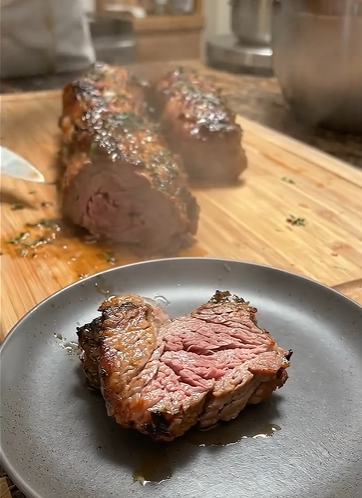
Garlic Butter Herb-Crusted Roast Beef Tenderloin is an elegant and flavorful main course that brings restaurant-quality cooking into your home kitchen. Made with a tender cut of beef, fresh rosemary, thyme, garlic, butter, and Dijon mustard, this recipe delivers a beautifully browned exterior with a juicy, flavorful center.
The combination of fresh herbs and garlic creates an aromatic coating that complements the natural richness of the beef. Searing the tenderloin before roasting helps develop a golden-brown crust, while the garlic herb butter melts over the surface and adds an extra layer of savory flavor.
A simple pan sauce made with beef broth and a touch of lemon juice completes the dish, making every slice even more delicious. Whether you are preparing a holiday dinner, celebrating a special occasion, or simply planning an impressive homemade meal, this roast beef tenderloin is a wonderful choice.
Despite its elegant presentation, the recipe uses straightforward techniques and easy-to-find ingredients. With a reliable meat thermometer and a little attention to cooking time, you can prepare a tender and flavorful roast that is sure to make an impression.
2. Origin
Beef tenderloin has long been appreciated in European and American cooking because of its naturally tender texture and mild, delicate flavor. It comes from a muscle along the spine that performs relatively little work, which helps explain why the meat is especially tender compared with many other beef cuts.
Roasting beef with herbs, garlic, and butter is part of a broader tradition of preparing meat with aromatic ingredients. French-inspired cooking, in particular, has influenced many modern roast beef preparations through techniques such as searing, pan roasting, and making sauces from the flavorful browned bits left in the cooking pan.
Herbs such as rosemary and thyme are frequently paired with beef because their fragrant, earthy qualities complement its rich flavor. Garlic butter is another popular combination that appears in many European and American steakhouse-style dishes.
This particular recipe is a modern home-cooking interpretation rather than a claim to a single traditional regional dish. It combines familiar roasting techniques with a garlic herb butter coating and a simple pan sauce for a special-occasion meal.
3. Cultural Significance
Roast beef is often associated with family gatherings, holiday celebrations, Sunday dinners, and special occasions. A beautifully prepared roast placed at the center of the dining table can make an ordinary meal feel more festive.
Beef tenderloin is especially popular for occasions when presentation and tenderness are important. Because it is naturally tender and relatively lean compared with some other beef cuts, it is often selected for celebratory meals and elegant dinner menus.
Garlic, butter, rosemary, and thyme are familiar ingredients in many traditional home kitchens. Their combination creates a comforting aroma that fills the kitchen while the beef cooks.
This recipe also reflects the appeal of homemade entertaining. Instead of relying on complicated restaurant techniques, it uses a simple sequence of seasoning, searing, roasting, resting, and preparing a pan sauce. The result is a dish that looks impressive while remaining manageable for a home cook.
It pairs naturally with roasted vegetables, mashed potatoes, green beans, or a fresh salad, making it easy to build a complete meal around the tenderloin.
4. Ingredients and Quantities
This recipe serves approximately four to six people, depending on portion sizes and the side dishes served alongside the beef.
For the Beef Tenderloin
- 2 pounds beef tenderloin, trimmed
- 3 tablespoons olive oil
- 1 teaspoon coarse sea salt, or to taste
- 1 teaspoon freshly ground black pepper
- 1 tablespoon Worcestershire sauce
Beef tenderloin is the main ingredient and is valued for its delicate flavor and tender texture. Choose a piece with a reasonably even thickness so it cooks more consistently.
Olive oil helps the surface brown during searing, while salt and black pepper provide the basic seasoning. Worcestershire sauce adds a savory depth that complements the beef.
If the tenderloin has a thin tail, it can be tucked underneath and secured with kitchen twine to create a more even shape. This helps prevent the thinner section from cooking much faster than the thicker center.
For the Garlic Herb Butter
- 4 tablespoons unsalted butter, softened
- 5 cloves garlic, minced
- 2 tablespoons fresh rosemary, finely chopped
- 2 tablespoons fresh thyme leaves
- 1 tablespoon fresh parsley, chopped
- 1 tablespoon Dijon mustard
- 1 teaspoon smoked paprika
- 1/2 teaspoon garlic powder
Unsalted butter provides a rich base for the herb mixture and allows you to control the amount of salt in the finished dish.
Fresh rosemary and thyme contribute earthy, aromatic notes that work especially well with roasted beef. Parsley adds freshness, while garlic gives the butter its characteristic savory flavor.
Dijon mustard adds a mild tang and helps create a flavorful coating. Smoked paprika contributes a subtle smoky note and a warm color to the crust.
For the Pan Sauce
- 1/2 cup beef broth
- 1 tablespoon fresh lemon juice, optional
Beef broth helps lift the browned bits from the skillet and forms the foundation of a simple pan sauce. Lemon juice adds brightness and balances the richness of the butter.
For a slightly richer sauce, you can whisk in a small piece of cold butter after reducing the broth. Add it off the heat and stir until incorporated.
5. Optional Additions
This roast beef tenderloin is delicious as written, but a few additions can help you customize the flavor.
Fresh sage: Add a small amount of finely chopped sage to the herb butter for a deeper, earthy aroma.
Red pepper flakes: A small pinch adds gentle heat without overpowering the garlic and herbs.
Brown sugar: A very small amount can add a subtle sweetness to the herb coating and encourage browning, although it is not necessary.
Horseradish: Serve prepared horseradish or a mild horseradish sauce alongside the beef for a sharp, tangy contrast.
Mushrooms: Sauté sliced mushrooms in the skillet after removing the beef, then add the broth to create a richer mushroom pan sauce.
Red wine alternative: If you prefer not to use wine, simply use additional beef broth. The sauce will still have plenty of flavor from the browned bits and herbs.
Onions and shallots: Finely chopped shallots can be cooked in the skillet before adding the beef broth to give the sauce a slightly sweeter, more complex flavor.
Extra Dijon mustard: Add another teaspoon to the herb butter if you enjoy a more noticeable mustard flavor.
6. Tips for Success
Choose an evenly shaped tenderloin
An evenly shaped piece of beef cooks more consistently than one with a very thin tail and a thick center. If necessary, tuck the thinner end underneath and tie the tenderloin with kitchen twine at regular intervals.
This simple preparation helps create slices with a more consistent level of doneness.
Pat the beef dry
Before seasoning, use paper towels to remove moisture from the surface. A dry surface helps the beef develop a better sear and a more attractive browned crust.
Use softened butter
The butter should be soft enough to mix easily with the garlic and herbs but should not be completely melted. Softened butter creates a thick coating that can be spread evenly over the meat.
Sear all sides
Turn the tenderloin carefully so that the surface browns on all sides, including the ends. Searing adds color and flavor, although it does not seal in the juices.
Use an oven-safe skillet to make the transition from stovetop to oven easier.
Do not rely only on cooking time
The roasting time depends on the thickness and starting temperature of the tenderloin, the accuracy of your oven, and the material of the skillet.
A digital meat thermometer is the most reliable way to check doneness. Insert it into the thickest part of the meat without touching the pan.
For food safety, the USDA recommends that whole beef steaks and roasts reach a minimum internal temperature of 145°F (63°C), followed by at least a 3-minute rest. If you prefer to follow this recommendation, remove the beef from the oven when it is approaching that temperature, allowing for a small amount of additional cooking during resting.
Rest before slicing
Resting allows the temperature to even out and helps the juices redistribute. Cutting the tenderloin immediately after roasting can cause more juices to escape onto the cutting board.
Allow approximately 10 to 15 minutes of resting time, loosely covered with foil.
Make the pan sauce in the same skillet
The browned bits left in the skillet contain concentrated flavor. Adding beef broth and scraping the bottom with a wooden spoon helps incorporate them into the sauce.
Avoid leaving the skillet unattended, as the remaining butter and garlic can burn if heated too aggressively.
7. Instructions
Step 1: Prepare the Beef
Remove the beef tenderloin from the refrigerator while preparing the other ingredients. Allowing it to sit briefly at room temperature can help it cook more evenly, but do not leave raw beef out for extended periods.
Pat the tenderloin completely dry with paper towels. Remove any remaining silver skin or excess connective tissue with a sharp knife.
If the tenderloin has an uneven shape, tuck the thinner end underneath and secure it with kitchen twine. This helps create a more uniform roast.
Step 2: Prepare the Garlic Herb Butter
In a small mixing bowl, combine the softened butter, minced garlic, chopped rosemary, thyme leaves, parsley, Dijon mustard, smoked paprika, and garlic powder.
Mix until all the ingredients are evenly incorporated and the mixture forms a fragrant herb butter.
Set aside until needed. If the butter becomes too soft, refrigerate it briefly so it is easier to spread.
Step 3: Season the Tenderloin
Rub the beef tenderloin with Worcestershire sauce and approximately half of the olive oil.
Season the surface with coarse sea salt and freshly ground black pepper, pressing the seasoning gently into the meat.
Allow the beef to sit briefly while you prepare the skillet and preheat the oven.
Step 4: Sear the Beef
Preheat the oven to 425°F (220°C).
Heat the remaining olive oil in a large oven-safe skillet over medium-high heat. When the oil is hot, carefully place the tenderloin in the skillet.
Sear for approximately 2 to 3 minutes per side, turning with tongs until a deep golden-brown crust develops around the meat.
Take care when turning the tenderloin so the surface does not tear. Adjust the heat if the oil begins smoking excessively.
Step 5: Coat with Garlic Herb Butter
Remove the skillet from the heat.
Spread the prepared garlic herb butter evenly over the seared tenderloin, covering the top and sides as much as possible.
The warmth of the beef will begin softening the butter, allowing the garlic and herbs to coat the surface.
Step 6: Roast Until Tender
Transfer the oven-safe skillet to the preheated oven.
Roast for approximately 15 to 25 minutes, depending on the thickness of the tenderloin and your preferred level of doneness.
Begin checking the internal temperature early rather than relying entirely on the estimated cooking time. Insert a meat thermometer into the thickest section of the beef.
For food safety, cook whole beef roasts to at least 145°F (63°C), followed by a minimum 3-minute rest. Cooking to a higher temperature will produce a more thoroughly cooked center.
Remember that the temperature can rise slightly while the beef rests, so monitor it carefully.
Step 7: Rest the Beef
Remove the skillet from the oven when the beef has reached the appropriate temperature for your chosen preparation.
Transfer the tenderloin to a clean cutting board and loosely cover it with aluminum foil.
Let it rest for approximately 10 to 15 minutes. Avoid wrapping it tightly, as trapped steam can soften the browned exterior.
Step 8: Prepare the Pan Sauce
While the beef rests, place the skillet over medium heat, taking care because the handle will be hot.
Add the beef broth and use a wooden spoon to scrape up the flavorful browned bits from the bottom of the pan.
Bring the liquid to a gentle simmer and cook for approximately 3 to 5 minutes, allowing it to reduce slightly.
Stir in the lemon juice if desired. Taste the sauce and adjust the seasoning if necessary.
If you want a richer finish, remove the pan from the heat and stir in a small piece of cold butter until melted.
Step 9: Slice and Serve
Remove the kitchen twine, if used, and slice the tenderloin into thick, even pieces with a sharp carving knife.
Arrange the slices on a warm serving platter. Spoon the garlic herb pan sauce over the beef or serve it in a small bowl on the side.
Garnish with additional fresh rosemary, thyme, or parsley if desired.
Serve immediately with your favorite side dishes while the beef is warm and the sauce is freshly prepared.
8. Description
This Garlic Butter Herb-Crusted Roast Beef Tenderloin is a rich and elegant dish with a beautiful contrast between its browned exterior and tender interior.
The outside develops a flavorful crust during searing, while the garlic herb butter melts over the surface during roasting. Rosemary and thyme contribute a fragrant, earthy aroma, and Dijon mustard adds a subtle tang that balances the richness of the butter.
The beef itself has a naturally tender texture and a mild, savory flavor that allows the herbs to stand out without overwhelming the meat.
The pan sauce brings everything together. Made from beef broth and the flavorful browned bits left in the skillet, it adds moisture and depth to every slice. A little lemon juice provides a refreshing finish that helps balance the buttery coating.
The result is a satisfying centerpiece that looks impressive on a serving platter and tastes just as appropriate for an intimate dinner as it does for a holiday gathering.
9. Nutritional Information
The nutritional information below is an estimate and will vary depending on the exact beef cut, trimming, serving size, and amount of butter and oil consumed.
Approximate nutrition per serving, assuming six servings:
- Calories: 400–500
- Protein: 38–45 grams
- Carbohydrates: 2–5 grams
- Fat: 25–33 grams
- Fiber: Less than 1 gram
- Sodium: Varies according to broth, Worcestershire sauce, and added salt
If the tenderloin is divided into four larger portions, the calories, protein, and fat per serving will be higher.
Beef tenderloin is a source of high-quality protein, iron, zinc, and vitamin B12. These nutrients support normal body functions, including muscle maintenance and the production of healthy red blood cells.
Garlic and fresh herbs contribute flavor without requiring large amounts of additional seasoning. Olive oil and butter provide fat, which contributes richness and helps carry the flavors of the herbs throughout the dish.
For a balanced dinner, serve the tenderloin with vegetables and a suitable side dish rather than relying on meat alone.
10. Storage and Food Safety
Roast beef tenderloin is best enjoyed freshly prepared, but leftovers can be stored safely and used in other meals.
Storing leftovers
Allow the beef to cool slightly, then transfer it to an airtight container. Refrigerate promptly, ideally within two hours of cooking.
- Cooked beef: Refrigerate for 3 to 4 days.
- Pan sauce: Store separately in a sealed container and use within 3 to 4 days.
Keeping the sauce separate helps preserve the texture of the sliced beef and makes reheating easier.
Reheating
For the best results, place the sliced beef in a covered oven-safe dish with a small amount of pan sauce or beef broth.
Warm it gently in an oven until the leftovers reach an internal temperature of 165°F (74°C). Avoid prolonged heating, which can make the tenderloin dry and less tender.
You can also reheat smaller portions in a covered skillet over low heat with a little broth, stirring or turning gently.
Freezing
Cooked beef tenderloin can be frozen in airtight, freezer-safe packaging for approximately 2 to 3 months for best quality.
Slice the beef before freezing if you want to make future portions easier to serve. Add a little pan sauce or broth to help maintain moisture.
Thaw frozen leftovers in the refrigerator rather than leaving them at room temperature. Reheat thoroughly before serving.
11. Conclusion
Garlic Butter Herb-Crusted Roast Beef Tenderloin is a delicious choice when you want to prepare a meal that feels special without relying on complicated ingredients or techniques.
The combination of tender beef, garlic, rosemary, thyme, and butter creates a flavorful main course with an attractive browned exterior. Searing the meat before roasting develops a deeper flavor, while resting helps maintain a juicy texture.
The simple beef broth pan sauce adds another layer of richness and makes the finished dish even more enjoyable.
Whether you prepare it for a holiday celebration, a family gathering, or a special dinner at home, this recipe offers a beautiful centerpiece that pairs easily with a variety of side dishes.
With careful temperature monitoring, gentle reheating, and a little preparation, you can enjoy a restaurant-inspired roast beef dinner right from your own kitchen.
12. Recommendation
For an elegant dinner, serve the roast beef tenderloin with creamy mashed potatoes, roasted carrots, and green beans. These sides complement the savory herb butter without competing with the natural flavor of the beef.
If you want a more festive presentation, arrange the sliced tenderloin on a large platter with fresh rosemary sprigs and parsley. Serve the pan sauce separately so guests can add as much as they like.
For a lighter meal, pair the beef with roasted asparagus, steamed broccoli, or a fresh mixed-green salad with a simple lemon dressing.
You can also prepare the garlic herb butter a few hours in advance and refrigerate it until needed. This makes the final cooking process easier when preparing dinner for guests.
The most important recommendation is to use a meat thermometer rather than guessing when the roast is ready. Beef tenderloin is a premium cut, and careful temperature control helps you achieve the result you want while following safe cooking guidance.
13. Embracing Healthful Indulgence
A special meal can be both enjoyable and part of a balanced eating pattern. Beef tenderloin provides protein and several important nutrients, while fresh herbs and garlic deliver plenty of flavor without needing complicated sauces or excessive seasoning.
If you want to adjust the recipe, consider trimming visible fat, measuring the butter and olive oil carefully, and serving moderate portions alongside generous amounts of vegetables.
Roasted carrots, asparagus, green beans, broccoli, and leafy salads are all excellent accompaniments. They add color, fiber, and variety to the plate while complementing the rich flavor of the beef.
You can also prepare the pan sauce with low-sodium beef broth to control the salt content more easily.
Healthy eating does not mean giving up the foods you enjoy. It is about variety, balance, and choosing portions and ingredients that work together.
Enjoy this Garlic Butter Herb-Crusted Roast Beef Tenderloin as a special homemade meal, savor the fresh herb flavors, and share it with family and friends.