
1. Introduction
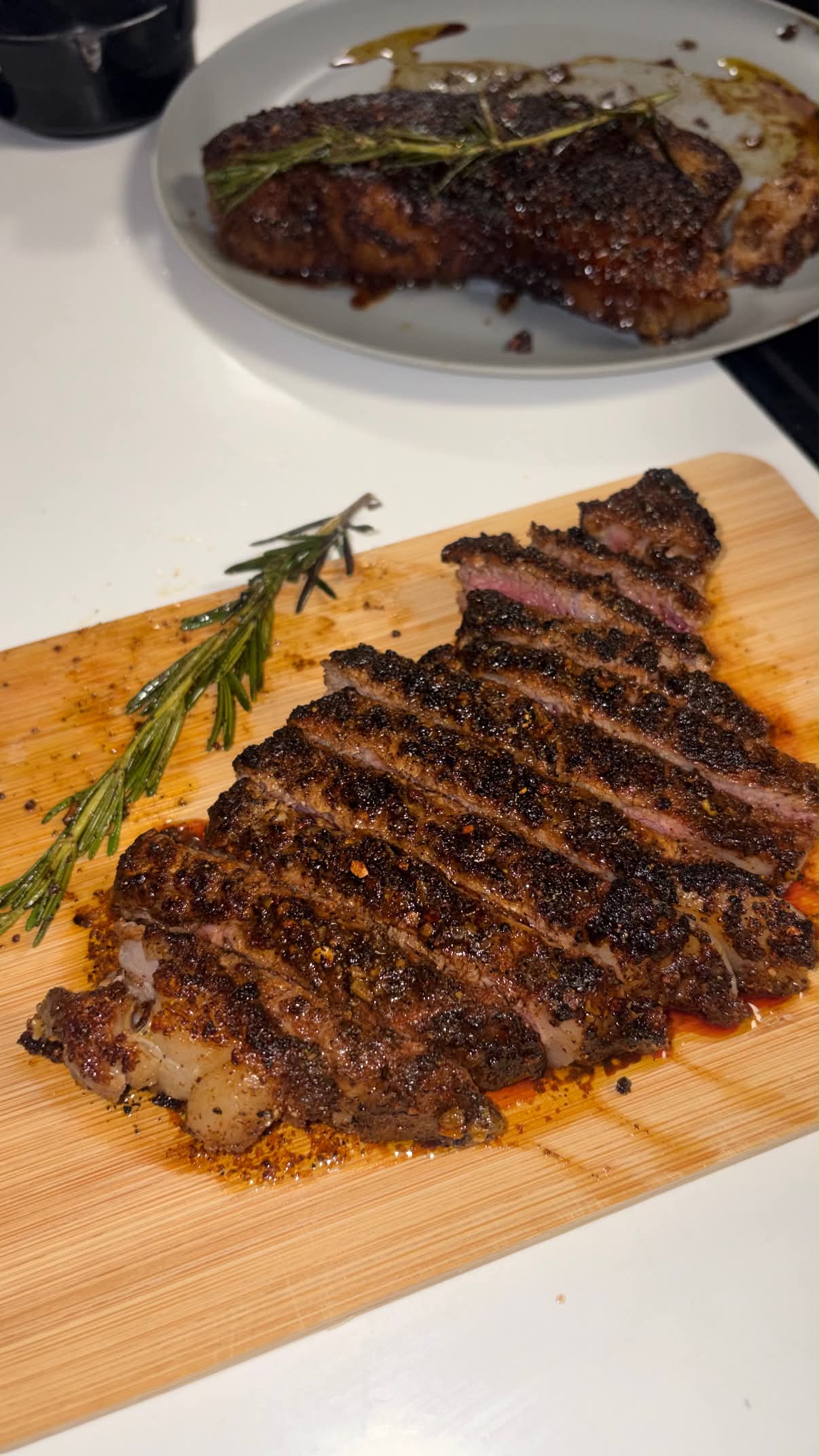
Garlic-Rosemary Butter Basted Ribeye Steak is a rich, flavorful steakhouse-style dish featuring a beautifully caramelized crust, tender and juicy interior, and an aromatic garlic-herb butter finish.
This classic pan-seared steak recipe transforms a thick-cut ribeye into an impressive restaurant-inspired meal using only a handful of simple ingredients.
The secret lies in combining three essential techniques: thoroughly drying the steak, searing it in a very hot skillet, and finishing it with foaming butter infused with fresh rosemary and smashed garlic cloves.
A thick-cut ribeye is particularly well suited to this cooking method because of its generous marbling.
As the steak cooks, the intramuscular fat contributes richness, flavor, and tenderness.
The high-temperature searing process creates a dark, deeply browned crust through the Maillard reaction, a chemical process responsible for many of the savory aromas associated with grilled and pan-seared meat.
Once the crust develops, butter, garlic, and rosemary are added to the skillet.
The hot, fragrant butter is repeatedly spooned over the steak, creating a rich coating while adding layers of herbal and garlicky flavor.
After cooking, the steak is allowed to rest briefly before slicing, helping reduce moisture loss during carving.
The result is a beautifully browned ribeye with a buttery finish, aromatic herbs, and a tender center.
Perfect for special dinners, date nights, family celebrations, or an elevated weekend meal, this Garlic-Rosemary Butter Basted Ribeye Steak delivers steakhouse-inspired flavor without requiring an outdoor grill.
2. Origin and Cultural Significance
Pan-seared steak is a familiar preparation in European and American cooking traditions.
Cooking meat in a hot skillet has been practiced for centuries, particularly in kitchens where cast-iron cookware and heavy metal pans were commonly used.
Butter-basting is closely associated with classical French cooking techniques, where butter is used to enrich meat, fish, and other ingredients during cooking.
In French culinary terminology, repeatedly spooning hot fat over food is often called arroser, meaning to baste or moisten.
This technique helps coat the food with aromatic fat and can contribute to even cooking when performed carefully.
Garlic and rosemary are also traditional flavoring ingredients in Mediterranean and European cooking.
Rosemary has a distinctive pine-like aroma that pairs particularly well with beef, lamb, and roasted vegetables.
Garlic provides a savory, slightly sweet flavor when gently cooked in butter.
Ribeye steak became especially popular in American steakhouse culture because of its rich marbling and robust beef flavor.
Unlike leaner cuts, ribeye contains visible intramuscular fat that contributes to its juicy texture.
Today, garlic-rosemary butter basted ribeye is widely prepared in home kitchens and restaurants.
Its popularity comes from the combination of a deeply seared crust, tender interior, and fragrant butter sauce.
3. Ingredients
For the Ribeye Steak
- 1 thick-cut ribeye steak, approximately 1½ inches (3.8 cm) thick, boneless or bone-in
- 1 tablespoon high-smoke-point cooking oil, such as avocado, canola, or grapeseed oil
- 1½ teaspoons coarse kosher salt, or to taste
- 1½ teaspoons freshly cracked black pepper, or to taste
- 1 teaspoon garlic powder, optional
For the Garlic-Rosemary Butter
- 3 tablespoons (42 g) unsalted butter
- 2–3 sprigs fresh rosemary
- 3 garlic cloves, smashed
Optional Garnishes
- Fresh rosemary sprigs
- Freshly cracked black pepper
- A small pinch of flaky sea salt
- Roasted garlic cloves
- A spoonful of warm garlic-herb butter
Ingredient Note: The suggested seasoning quantities are generous. Adjust the salt and pepper according to the steak’s weight, thickness, and personal preference. Different brands of kosher salt also vary in density.
4. Optional Additions
Customize your Garlic-Rosemary Butter Basted Ribeye Steak with:
- Fresh thyme: Add 2–3 sprigs alongside the rosemary for a more complex herbal aroma.
- Extra garlic: Add another smashed garlic clove for a stronger garlic flavor.
- Flaky sea salt: Sprinkle lightly over the finished steak for a delicate salty crunch.
- Cracked black pepper: Add a little extra immediately before serving.
- Lemon zest: Add a small amount to the finishing butter for a subtle citrus note.
- Shallots: Add a small halved shallot to the butter for additional sweetness.
- Smoked paprika: Use a light sprinkle for a smoky variation.
- Compound butter: Finish with a small slice of garlic-herb butter.
- Roasted mushrooms: Serve alongside the steak for an earthy flavor.
- Caramelized onions: Add a sweet, savory accompaniment.
For the classic steakhouse-style version, the combination of ribeye, butter, garlic, and rosemary provides plenty of flavor without additional ingredients.
5. Tips for Success
- Choose a thick-cut ribeye with visible marbling.
- Use a heavy cast-iron or stainless steel skillet.
- Pat the steak completely dry before cooking.
- Season the steak evenly on all sides.
- Preheat the skillet thoroughly before adding the meat.
- Use a cooking oil suitable for high-temperature searing.
- Avoid overcrowding the skillet.
- Allow the steak to sear undisturbed until a crust forms.
- Reduce the heat before adding butter.
- Watch the garlic carefully to prevent burning.
- Keep the rosemary in contact with the warm butter.
- Tilt the skillet carefully while basting.
- Use a spoon to repeatedly coat the steak with aromatic butter.
- Check doneness with an instant-read thermometer rather than relying only on cooking time.
- Allow the steak to rest before slicing.
- Slice against the grain for a more tender bite.
Important: A very hot skillet is useful for developing a crust, but it does not need to be heated until heavily smoking. Excessive heat can burn the oil, spices, garlic, and butter.
6. Step-by-Step Instructions
Step 1: Select the Ribeye Steak
Choose a thick-cut ribeye steak approximately 1½ inches thick.
Look for even marbling throughout the meat.
Both boneless and bone-in ribeye steaks work well.
Step 2: Remove the Steak from the Refrigerator
Take the steak out of the refrigerator approximately 30 minutes before cooking.
Keep it covered and away from direct heat.
This brief period allows the surface to lose some of its chill, although the center may remain cold.
Step 3: Prepare the Cooking Equipment
Place a heavy cast-iron skillet or stainless steel pan on the stove.
Prepare a pair of kitchen tongs, a large spoon, and an instant-read meat thermometer.
Step 4: Prepare the Garlic
Peel 3 garlic cloves.
Place them on a cutting board.
Step 5: Smash the Garlic
Use the flat side of a knife to gently crush each garlic clove.
Smashing releases aromatic compounds while keeping the cloves large enough to remove easily.
Step 6: Prepare the Rosemary
Rinse 2–3 fresh rosemary sprigs.
Pat them thoroughly dry.
Excess moisture can cause splattering when the herbs enter hot butter.
Step 7: Measure the Butter
Cut 3 tablespoons unsalted butter into smaller pieces.
Set aside for the basting stage.
Step 8: Prepare the Seasonings
Measure the kosher salt, freshly cracked black pepper, and optional garlic powder.
Step 9: Dry the Steak
Place the ribeye on a cutting board or plate.
Use paper towels to pat both sides thoroughly dry.
Remove as much surface moisture as possible.
Step 10: Season the First Side
Sprinkle a portion of the kosher salt evenly over one side of the steak.
Add freshly cracked black pepper.
Step 11: Add the Garlic Powder
If using garlic powder, sprinkle a light, even layer over the surface.
Avoid applying an excessively thick coating, which may burn during searing.
Step 12: Season the Second Side
Turn the steak over.
Repeat the seasoning process on the opposite side.
Season the edges lightly as well.
Step 13: Preheat the Skillet
Place the skillet over medium-high heat.
Allow it to preheat until thoroughly hot.
A cast-iron skillet may require several minutes to heat evenly.
Step 14: Add the Cooking Oil
Pour 1 tablespoon high-smoke-point oil into the skillet.
Swirl to coat the cooking surface.
The oil should shimmer when hot.
Step 15: Place the Steak in the Pan
Using kitchen tongs, carefully lower the ribeye into the hot skillet.
Lay it away from you to reduce the risk of hot oil splashing.
Step 16: Begin the First Sear
Allow the steak to cook undisturbed for approximately 2–3 minutes.
Avoid moving it unnecessarily.
Step 17: Develop the Crust
As the steak sears, the surface should develop a deep golden-brown color.
The Maillard reaction creates the rich, savory crust associated with steakhouse cooking.
Step 18: Check the First Side
Carefully lift one edge of the steak with tongs.
Check whether a well-browned crust has formed.
If necessary, allow it to cook slightly longer.
Step 19: Flip the Steak
Turn the steak over using tongs.
Avoid piercing it with a fork.
Step 20: Sear the Second Side
Cook the second side for approximately 2–3 minutes.
Allow another deeply browned crust to develop.
Step 21: Sear the Fat Edge
If the ribeye has a thick outer fat cap, carefully hold it upright with tongs.
Sear the fat edge briefly to encourage browning and rendering.
Step 22: Reduce the Heat
Lower the burner to medium.
This helps prevent the butter from burning during the next stage.
Step 23: Add the Butter
Place 3 tablespoons unsalted butter into the skillet.
Allow it to melt around the steak.
Step 24: Add the Garlic
Add the 3 smashed garlic cloves to the melted butter.
Allow them to become fragrant.
Step 25: Add the Rosemary
Place the fresh rosemary sprigs into the skillet.
The warm butter will begin extracting their aromatic oils.
Step 26: Allow the Butter to Foam
As the butter melts and heats, it should begin foaming gently.
Avoid allowing it to turn black or develop a burnt smell.
Step 27: Tilt the Skillet
Carefully tilt the skillet slightly toward you so the melted butter pools along one side.
Keep the movement controlled to prevent splashing.
Step 28: Begin Butter Basting
Use a large metal spoon to scoop the hot garlic-rosemary butter.
Pour it repeatedly over the exposed surface of the steak.
Step 29: Continue Basting
Continue spooning the aromatic butter over the steak for approximately 1–2 minutes.
The butter coats the meat and adds rich flavor.
Step 30: Monitor the Garlic
Watch the garlic cloves carefully.
They should become fragrant and lightly golden.
If they begin to burn, remove them from the skillet.
Step 31: Check the Steak Temperature
Insert an instant-read thermometer into the thickest part of the steak, avoiding the bone if present.
For USDA food-safety guidance, whole cuts of beef should reach an internal temperature of 145°F (63°C) followed by a 3-minute rest.
Step 32: Adjust the Cooking Time
If the steak has not reached the desired safe internal temperature, continue cooking over controlled heat.
Turn the steak as necessary to prevent the crust from burning.
Cooking time will vary depending on thickness, starting temperature, and skillet heat.
Step 33: Remove the Steak
Using tongs, transfer the cooked steak to a clean cutting board or warm plate.
Step 34: Add the Aromatic Butter
Spoon a little of the warm garlic-rosemary butter over the steak.
Avoid using any butter that has become excessively burnt.
Step 35: Rest the Steak
Allow the ribeye to rest for approximately 5–8 minutes.
Resting helps reduce the amount of juice lost when slicing.
Step 36: Prepare the Serving Plate
Choose a warm serving plate.
Arrange any side dishes before slicing the steak.
Step 37: Identify the Grain
Look at the direction of the muscle fibers in the steak.
For the most tender slices, cut across the direction of the fibers.
Step 38: Slice the Steak
Using a sharp knife, slice the ribeye on a slight diagonal against the grain.
Cut into evenly sized slices.
Step 39: Garnish
Arrange the sliced steak on the serving plate.
Add a fresh rosemary sprig or a small amount of flaky sea salt if desired.
Step 40: Serve Immediately
Serve the steak while warm.
Enjoy the deeply browned crust, tender interior, rich butter flavor, and aromatic garlic-rosemary finish.
7. Description
Garlic-Rosemary Butter Basted Ribeye Steak is a rich, savory dish featuring a thick-cut ribeye with a dark, deeply caramelized exterior and a tender, juicy interior.
The steak develops a flavorful crust through high-temperature pan-searing.
Its natural marbling contributes richness and helps create a satisfying, buttery texture.
Fresh rosemary provides a distinctive herbal aroma, while smashed garlic cloves infuse the melted butter with savory flavor.
As the butter is spooned over the steak, it coats the surface and enhances the overall richness.
The finished ribeye has a robust beef flavor balanced by fragrant herbs, garlic, and a lightly peppery finish.
When sliced against the grain, the steak reveals a tender interior surrounded by a beautifully browned crust.
This combination of textures and flavors makes the dish especially appealing for steakhouse-inspired meals.
8. Nutritional Information
Approximate values per serving, assuming a 16-ounce (454 g) raw boneless ribeye is divided into 2 portions:
| Nutrient | Estimated Amount |
|---|---|
| Calories | 650–850 kcal |
| Protein | 40–55 g |
| Carbohydrates | 1–3 g |
| Total Fat | 50–70 g |
| Saturated Fat | 20–30 g |
| Fiber | Less than 1 g |
| Sugar | Less than 1 g |
| Sodium | Highly variable; approximately 900–1,800 mg |
These estimates depend heavily on the steak’s marbling, exact weight, amount of butter and oil consumed, and salt used. Some cooking fat remains in the skillet rather than being eaten.
9. Recipe Details
| Category | Details |
|---|---|
| Recipe Name | Garlic-Rosemary Butter Basted Ribeye Steak |
| Cuisine | American Steakhouse-Inspired |
| Preparation Time | 10 Minutes |
| Optional Pre-Cooking Rest | 30 Minutes |
| Cooking Time | Approximately 8–12 Minutes |
| Resting Time | 5–8 Minutes |
| Total Time | Approximately 25–30 Minutes, Excluding Optional Pre-Cooking Rest |
| Yield | 1 Thick-Cut Ribeye |
| Servings | 1–2 |
| Difficulty | Intermediate |
| Main Ingredients | Ribeye Steak, Butter, Garlic, Rosemary |
| Cooking Method | Pan-Searing and Butter-Basting |
| Course | Main Dish |
| Texture | Deeply Seared, Tender, Juicy |
| Flavor Profile | Savory, Buttery, Garlicky, Herbal |
| Best For | Special Dinners, Date Nights, Weekend Meals |
10. Conclusion
Garlic-Rosemary Butter Basted Ribeye Steak is a delicious steakhouse-inspired dish that combines a deeply caramelized crust with a rich, aromatic butter finish.
Using a thick-cut ribeye, high-temperature searing, and garlic-rosemary butter basting creates a flavorful steak with an appealing contrast between its browned exterior and tender interior.
The key to success is thoroughly drying the steak, using a properly preheated skillet, allowing the crust to develop, and controlling the heat during butter basting.
Fresh rosemary and smashed garlic add depth without overpowering the natural flavor of the beef.
Allowing the steak to rest before slicing helps preserve its juicy texture.
Whether served with mashed potatoes, roasted vegetables, or a fresh salad, this homemade ribeye is an impressive main course for special occasions and everyday steak lovers.
11. Serving and Storage Recommendations
Serve with:
- Creamy mashed potatoes
- Roasted garlic potatoes
- Garlic butter mushrooms
- Steamed asparagus
- Roasted broccoli
- Green beans
- Creamed spinach
- Grilled vegetables
- Fresh garden salad
- Roasted carrots
- Baked potatoes
- Caramelized onions
Serving: Serve immediately after the resting period for the best flavor and texture.
Refrigeration: Store leftover cooked steak in an airtight container in the refrigerator for approximately 3–4 days.
Room Temperature: Refrigerate leftovers within 2 hours of cooking, or within 1 hour if the surrounding temperature exceeds 90°F (32°C).
Freezing: Wrap cooked steak tightly and store in a freezer-safe container for approximately 2–3 months for best quality.
Thawing: Thaw frozen steak in the refrigerator.
Reheating: Reheat leftovers gently to avoid excessive drying. For food safety, leftovers should reach 165°F (74°C).
Make-Ahead: Prepare the garlic, rosemary, and seasonings in advance. For the best crust, sear the steak shortly before serving.
Storage Tip: Store leftover steak separately from wet sauces or vegetables to help preserve its texture.
Presentation Tip: Arrange the steak slices slightly overlapping on a warm plate and finish with a small spoonful of aromatic butter.
12. Embracing Healthful Indulgence
Garlic-Rosemary Butter Basted Ribeye Steak is a protein-rich main dish featuring beef, butter, garlic, and fresh herbs.
Ribeye provides high-quality protein, which supports normal muscle maintenance and repair.
Beef also supplies nutrients such as iron, zinc, and vitamin B12.
Iron contributes to normal oxygen transport in the body, while vitamin B12 supports red blood cell formation and nervous system function.
Garlic and rosemary add flavor and aroma without requiring sugary sauces.
However, ribeye is a relatively fatty cut of beef, and butter basting increases the dish’s saturated fat content.
For a more balanced meal, serve a moderate portion alongside vegetables and a fiber-rich side dish.
Roasted broccoli, asparagus, green beans, or a fresh salad can provide additional vitamins, minerals, and fiber.
You can also reduce the amount of butter used for finishing while preserving much of the garlic-rosemary flavor.
Using a moderate amount of salt is another practical adjustment, particularly when serving the steak with seasoned side dishes.
For those who enjoy steak occasionally, this recipe offers a satisfying way to appreciate the natural flavor of ribeye through careful cooking and simple ingredients.
With its deeply caramelized crust, tender beef, fragrant rosemary, savory garlic, and rich butter finish, Garlic-Rosemary Butter Basted Ribeye Steak is an elegant and flavorful homemade meal to share and enjoy.