
Introduction
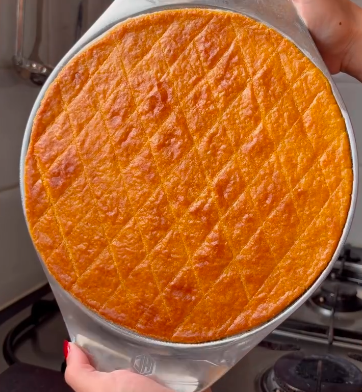
Golden French butter cake is a beautiful, bakery-style dessert known for its rich buttery flavor, tender interior, and glossy golden-brown crust. Made with simple ingredients such as butter, sugar, egg yolks, flour, and vanilla, this cake proves that a classic dessert does not need complicated techniques or elaborate decorations to feel special.
Inspired by the traditional French gâteau breton, this homemade version features a distinctive diamond pattern scored into its surface before baking. An egg-yolk wash gives the top its attractive shine and helps create a deeply golden finish, while the butter-rich dough bakes into a delicate, dense, and satisfying cake.
Each slice offers a lovely contrast between the lightly crisp exterior and the soft, tender center. The flavor is rich without being excessively sweet, making this cake an excellent companion for afternoon tea, freshly brewed coffee, or a glass of milk.
Whether you are preparing a dessert for family, hosting friends, or simply looking for something special to enjoy at home, this French-inspired butter cake is an elegant choice. Its straightforward ingredients and traditional appearance make it suitable for both everyday baking and special occasions.
Origin
French butter cakes have a long history, with many regional varieties built around butter, flour, sugar, and eggs. One particularly well-known example is gâteau breton, a traditional cake associated with Brittany, a region in northwestern France known for its dairy products and salted butter.
Traditional gâteau breton is generally rich, compact, and buttery. It often has a golden surface decorated with a crosshatch or diamond pattern made by scoring the egg-washed dough before baking. Depending on the recipe, the cake may contain salted butter, egg yolks, and sometimes a small amount of rum or other flavoring.
The scored pattern is both decorative and characteristic of the cake’s familiar appearance. The egg wash encourages an attractive sheen, while the relatively dense dough produces a texture that differs from light, airy sponge cakes.
This recipe is inspired by that French baking tradition but uses unsalted butter, vanilla, and optional lemon zest for a slightly different flavor profile. It should be understood as a homemade French-style butter cake rather than an exact reproduction of every traditional Breton recipe.
Cultural Significance
In France, regional baking traditions are closely connected to local ingredients, family recipes, and the pleasure of sharing food. Butter-rich cakes are especially associated with regions where dairy farming and butter production have historically played important roles in local cuisine.
Gâteau breton reflects the character of Breton baking: simple ingredients, generous use of butter, and an emphasis on texture rather than elaborate decoration. Its scored surface gives it a distinctive appearance without requiring frosting or decorative piping.
This kind of cake also suits the French tradition of enjoying a small sweet alongside coffee or tea. A slice can be served after a meal, offered to visitors, or enjoyed during a relaxed afternoon break.
The homemade version in this recipe follows the same spirit of simplicity. Its attractive crust and rich flavor make it suitable for gatherings, while its sturdy texture allows it to be sliced and served easily.
Although modern French-style butter cakes vary considerably, the combination of a golden crust, buttery crumb, and understated presentation continues to make them appealing to home bakers.
Ingredients and Quantities
This recipe makes approximately 10 servings and uses an 8-inch round cake pan.
For the Butter Cake
- 2 cups all-purpose flour
- 1 cup unsalted butter, softened
- 3/4 cup granulated sugar
- 4 large egg yolks
- 1 whole large egg
- 1 teaspoon vanilla extract
- 1/2 teaspoon baking powder
- 1/4 teaspoon salt
- 1 tablespoon whole milk
- 1 teaspoon lemon zest, optional
For the Golden Egg Wash
- 1 egg yolk
- 1 tablespoon whole milk
- 1 teaspoon honey, optional
Ingredient Notes
Butter: Butter is the defining ingredient in this cake, so choose a good-quality product with a fresh, pleasant flavor. Unsalted butter allows you to control the amount of salt in the recipe. Let it soften at room temperature until it yields gently when pressed but is not oily or melted.
Egg yolks: The extra yolks contribute richness, color, and a tender, dense texture. They also help give the cake its characteristic custard-like richness without making it a custard dessert.
All-purpose flour: This provides the structure needed to support the butter-rich dough. Measure the flour accurately by weighing it if possible. If using measuring cups, spoon the flour into the cups and level the tops instead of packing it down.
Granulated sugar: Sugar provides sweetness and helps the crust develop its golden color. The quantity is moderate for a rich butter cake, allowing the butter flavor to remain prominent.
Baking powder: A small amount provides some lift without turning the cake into a light sponge. Traditional gâteau breton recipes do not all use a leavening agent, so this ingredient makes the recipe a particular homemade variation.
Vanilla extract: Vanilla adds warmth and complements the butter. Choose pure vanilla extract if available.
Lemon zest: This optional ingredient contributes a subtle citrus fragrance that balances the richness. Use only the colored outer peel of the lemon, avoiding the bitter white pith.
Egg wash: Egg yolk and milk help create a glossy, golden surface. A little honey can encourage browning and add a subtle sweetness, although it is optional.
Optional Additions
This cake is delicious in its simplest form, but a few small changes can make it suit different preferences.
- Almond extract: Add a small amount of almond extract alongside the vanilla for a delicate nutty aroma.
- Orange zest: Replace the lemon zest with finely grated orange zest for a warmer citrus flavor.
- Almond flour: Replace a small portion of the all-purpose flour with finely ground almonds for a slightly nuttier taste and a more delicate crumb. The texture may change.
- Pear or apple slices: Serve thinly sliced fresh fruit alongside the cake, or offer lightly cooked fruit as a topping rather than adding excess moisture to the batter.
- Fresh berries: Strawberries, raspberries, or blueberries provide a fresh contrast to the buttery richness.
- Powdered sugar: Dust a small amount over the fully cooled cake for a simple presentation. This is optional because the golden surface is attractive on its own.
- Fruit preserves: Serve each slice with a small spoonful of raspberry, apricot, or strawberry preserves.
- Salted butter: For a more Breton-inspired flavor, use salted butter and reduce or omit the additional salt according to the butter’s saltiness.
Avoid adding too many wet ingredients directly to the dough. This cake relies on a relatively firm, butter-rich mixture to achieve its characteristic texture and decorative top.
Tips for Success
1. Use Properly Softened Butter
Butter that is too cold will not cream smoothly with the sugar, while melted butter can produce a heavy, greasy mixture.
Allow the butter to soften until it is pliable but still holds its shape. Properly softened butter incorporates air during mixing, helping the cake develop a more even texture.
2. Cream the Butter and Sugar Thoroughly
Beat the butter and sugar for approximately three to four minutes, scraping down the bowl as needed. The mixture should look pale and creamy.
This step helps distribute the sugar evenly and contributes to the cake’s final texture. Do not expect the mixture to become as light as a sponge-cake batter because the high butter content gives it a richer consistency.
3. Add the Egg Yolks Gradually
Add the yolks one at a time and mix after each addition. This allows them to incorporate more evenly into the butter mixture.
If the mixture looks slightly curdled, pause and scrape the bowl thoroughly. Adding the flour gradually should help bring the dough together.
4. Measure the Flour Carefully
Too much flour can make the cake dry, firm, or crumbly. Weighing ingredients provides the most consistent results. For reference, two cups of all-purpose flour can vary significantly depending on how the cups are filled.
Add the dry ingredients gradually and mix only until no dry flour remains. Excessive mixing can develop gluten and make the cake tougher.
5. Expect a Thick Dough
Unlike many conventional cake batters, this mixture should be thick enough to spread and smooth in the pan. It is not meant to pour freely.
Use a flexible spatula or the back of a spoon to press the dough evenly into the prepared pan, paying attention to the edges.
6. Score the Pattern Before Baking
Apply the egg wash in an even layer, then use a fork or the tip of a small knife to create shallow diagonal lines in one direction followed by lines in the opposite direction.
Keep the marks shallow. Cutting deeply into the dough can create uneven cracks or cause the surface to bake irregularly.
7. Watch the Crust as It Bakes
Ovens vary, so begin checking the cake at around 35 minutes. The surface should be a rich golden brown, and the center should be set.
If the top is becoming too dark before the middle is cooked, loosely cover it with aluminum foil and continue baking.
8. Allow Enough Cooling Time
The cake is delicate when it first comes out of the oven. Leave it in the pan for approximately 15 minutes before carefully transferring it to a wire rack.
Allow it to cool completely before cutting. This helps the crumb settle and makes it easier to achieve clean slices.
9. Use Parchment Paper
Greasing the pan and lining the bottom with parchment paper helps prevent sticking. Because the cake is rich in butter and sugar, the edges may become caramelized and adhere to the pan if it is not prepared properly.
10. Do Not Expect a Light Sponge Texture
This is a butter-rich cake, not an airy sponge. Its crumb should be tender, compact, and slightly firm, with a pronounced buttery flavor and a golden exterior.
Instructions
Step 1: Prepare the Baking Pan
Preheat the oven to 350°F (175°C).
Grease an 8-inch round cake pan with a little butter. Line the bottom with parchment paper and lightly grease the paper if desired.
Set the pan aside while you prepare the dough.
Step 2: Cream the Butter and Sugar
Place the softened butter and granulated sugar in a large mixing bowl.
Beat with an electric mixer on medium speed for three to four minutes, scraping down the sides of the bowl when necessary. Continue until the mixture looks pale, smooth, and creamy.
If mixing by hand, use a sturdy wooden spoon or spatula and allow extra time to work the butter and sugar together.
Step 3: Add the Egg Yolks and Whole Egg
Add the four egg yolks one at a time, beating after each addition.
Once the yolks are incorporated, add the whole egg and mix until smooth. Stir in the vanilla extract and optional lemon zest.
Scrape the bowl to make sure the ingredients are evenly distributed.
Step 4: Combine the Dry Ingredients
In a separate bowl, whisk together the all-purpose flour, baking powder, and salt.
Whisking helps distribute the baking powder and salt evenly throughout the flour, reducing the chance of uneven seasoning or rising.
Step 5: Form the Cake Dough
Gradually add the dry ingredients to the butter mixture, mixing on low speed or stirring with a spatula.
Add the tablespoon of milk and mix gently until a thick, cohesive dough forms. Stop as soon as the flour is incorporated.
The mixture should be spreadable but considerably thicker than a typical cake batter.
Step 6: Transfer the Dough to the Pan
Scrape the dough into the prepared cake pan.
Use a spatula or the back of a spoon to spread it evenly from the center toward the edges. Smooth the surface carefully so that the cake bakes at a consistent thickness.
Check that the dough reaches the corners of the pan without leaving large air pockets.
Step 7: Prepare the Egg Wash
In a small bowl, whisk together the additional egg yolk and one tablespoon of milk. Add the teaspoon of honey if desired and whisk until smooth.
Using a pastry brush, spread a thin, even layer over the surface of the dough. Avoid allowing large amounts of egg wash to collect around the edges.
Step 8: Create the Diamond Pattern
Using a fork or the tip of a small knife, score shallow diagonal lines across the surface.
Make a second set of diagonal lines in the opposite direction to form a diamond pattern. Space the lines evenly for a neat, traditional appearance.
Work gently so that the decorative marks remain visible without cutting deeply into the dough.
Step 9: Bake Until Golden
Place the pan on the center rack of the preheated oven.
Bake for approximately 35 to 45 minutes, checking near the lower end of the range. The exact time will depend on the pan, oven, and thickness of the dough.
The cake is ready when the surface is golden brown, the edges are set, and the center no longer appears wet. A toothpick inserted into the center should come out without raw batter, although a few moist crumbs may remain.
If the top browns too quickly, loosely cover the cake with aluminum foil for the remaining baking time.
Step 10: Cool in the Pan
Remove the cake from the oven and place the pan on a heat-safe surface.
Allow it to cool in the pan for approximately 15 minutes. This brief resting period helps the cake firm up and makes it less likely to break during removal.
Step 11: Transfer to a Wire Rack
Carefully loosen the edges with a thin knife if necessary.
Turn the cake out onto a wire rack, remove the parchment paper, and turn it upright if needed. Allow it to cool completely before slicing.
Avoid covering the cake while it is still warm, because trapped steam can soften the crust.
Step 12: Slice and Serve
Cut the cooled cake into approximately 10 wedges using a sharp knife.
Serve at room temperature with coffee, tea, or cold milk. For an elegant presentation, add fresh berries or a small spoonful of fruit preserves on the side.
Description
This golden French-style butter cake is rich, tender, and beautifully simple. Its glossy, caramelized-looking surface features a delicate diamond pattern, while the inside has a compact, buttery crumb that slices neatly once cooled.
The flavor is built around butter, egg yolks, and vanilla, with optional lemon zest adding a light citrus note. The egg-wash topping contributes a polished golden finish, making the cake attractive even without frosting or elaborate decoration.
Unlike light sponge cakes, this dessert is designed to be substantial and satisfying. A small wedge pairs especially well with coffee or tea, making it ideal for an afternoon treat, a dessert platter, or a casual family gathering.
Recipe details
- Preparation time: 20 minutes
- Baking time: Approximately 35–45 minutes
- Cooling time: Approximately 30 minutes
- Total time: Approximately 1 hour 30 minutes
- Servings: 10
- Pan size: 8-inch round cake pan
- Flavor: Rich, buttery, lightly sweet, and gently vanilla-scented
- Texture: Golden exterior with a tender, dense crumb
Nutritional Information
The following figures are approximate estimates per serving, assuming the cake is divided into 10 equal slices and the optional honey is included in the egg wash. Actual values will vary according to ingredient brands, exact measurements, and slice size.
| Nutrient | Estimated amount per serving |
|---|---|
| Calories | 350–400 |
| Protein | 4–6 g |
| Carbohydrates | 35–42 g |
| Total fat | 21–25 g |
| Saturated fat | 12–15 g |
| Sugar | 15–20 g |
| Fiber | 1–2 g |
| Sodium | 100–180 mg |
The butter and egg yolks contribute most of the fat and richness, while the flour and sugar provide the structure and sweetness. The cake is intended as an occasional dessert rather than a low-calorie food.
For smaller portions, cut the cake into 12 slices instead of 10. Serving it with fresh fruit can add freshness and variety without requiring additional frosting or a heavy topping.
Storage and Food Safety
Allow the cake to cool completely before storing it. Keeping it uncovered while it is still warm can cause condensation, which may soften the crust.
At room temperature: Store the fully cooled cake in an airtight container in a cool place for approximately two to three days, provided it is prepared and handled safely and does not contain perishable fillings or toppings. In a hot environment, refrigeration may be preferable.
In the refrigerator: For longer storage, place the cake in an airtight container and refrigerate it for up to about five days. Refrigeration can make the butter firmer, so let individual slices sit at room temperature briefly before serving for a softer texture.
In the freezer: Wrap individual slices or the whole cooled cake tightly in plastic wrap, then place them in a freezer-safe container or bag. Freeze for up to about two months for best quality. Thaw in the refrigerator or at room temperature while protected from contamination.
Serving: This cake is best enjoyed at room temperature because the butter softens and the flavor becomes more pronounced. Avoid leaving it in direct sunlight or near heat sources for extended periods.
Because the recipe contains eggs, use fresh eggs, wash your hands and utensils after handling raw egg, and ensure the cake is thoroughly baked. If the cake develops an unusual smell, visible mold, or other signs of spoilage, discard it.
Conclusion
Golden French butter cake is a wonderful example of how a handful of familiar ingredients can create a dessert that feels both elegant and comforting. Its rich buttery flavor, tender crumb, and glossy golden crust make it a beautiful addition to a coffee break, family gathering, or homemade dessert table.
The recipe is straightforward, but a few details make a noticeable difference: use properly softened butter, incorporate the eggs gradually, avoid overmixing, score the surface gently, and allow the cake to cool before slicing.
The decorative diamond pattern gives the cake its traditional bakery-inspired appearance, while the butter-rich dough provides the satisfying texture that makes each slice memorable.
Serve it simply with tea or coffee, or add fresh berries and fruit preserves when you want a little extra color. Either way, this French-inspired butter cake offers a timeless combination of simplicity, flavor, and homemade charm.
Recommendation
For the best experience, serve this cake at room temperature with freshly brewed coffee, black tea, or a glass of cold milk. The warmth of the beverage complements the rich butter flavor, while the cake’s compact texture makes it ideal for leisurely afternoon servings.
If you want to create a French-inspired dessert platter, arrange slices alongside fresh raspberries, strawberries, or a small bowl of apricot preserves. Keep additional toppings simple so they do not overpower the buttery flavor.
For a more traditional Breton-inspired variation, try salted butter and omit or reduce the added salt according to taste. For a lighter aromatic note, keep the vanilla and add a little lemon zest.
This cake is also suitable for preparing a day ahead. Once completely cool, store it in an airtight container and slice it shortly before serving.
Embracing Healthful Indulgence
A satisfying dessert can be enjoyed as part of a balanced eating pattern without needing to eliminate the ingredients that make it special. Butter, eggs, flour, and sugar are responsible for the classic flavor and texture of this cake, so the goal is to enjoy it thoughtfully rather than expecting it to behave like a low-fat dessert.
Consider serving a moderate slice alongside fresh fruit, or divide the cake into smaller portions when sharing it with family and friends. Fruit adds color, freshness, and fiber, while coffee or tea makes a simple accompaniment without requiring additional rich toppings.
If you bake this cake regularly, pay attention to portion size and ingredient measurements so the results remain consistent. Small variations, such as adding citrus zest or serving berries on the side, can provide variety without changing the character of the recipe.
Above all, enjoy the pleasure of homemade baking. The golden crust, delicate diamond pattern, and rich buttery interior make this French-style cake a lovely reminder that simple ingredients, careful preparation, and sharing a meal can turn an ordinary afternoon into something special.