
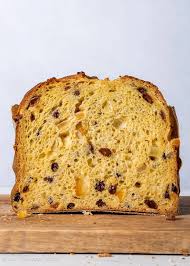
Italian Panettone is a beautifully tall, golden sweet bread with a soft, airy interior, delicate buttery flavor, and fragrant notes of orange, lemon, and vanilla. Filled with juicy raisins and candied citrus peel, this homemade version uses an overnight yeast starter to create a light, tender texture without requiring a sourdough starter.
1. Introduction
Homemade Italian Panettone is a delicious sweet bread known for its impressive height, golden crust, and delicate, fluffy crumb.
Its rich dough combines butter, egg yolks, honey, and aromatic citrus zest, creating a wonderful balance of sweetness and flavor.
Although traditional panettone requires patience and careful preparation, this simplified recipe uses commercial yeast and an overnight starter to make the process more approachable for home bakers.
2. Origin and Cultural Significance
Panettone originated in Milan, Italy, and became one of the country’s most recognizable sweet breads.
Traditionally prepared for festive gatherings and special occasions, panettone is appreciated for its tall shape, rich aroma, and distinctive airy texture.
Classic versions contain raisins, candied orange peel, and citrus zest, although modern variations may include chocolate, nuts, or other dried fruits.
The tall, delicate structure is achieved through careful kneading, fermentation, and cooling techniques that help preserve the bread’s soft interior. Cucina by Elena
3. Ingredients
For the Overnight Starter
- ¾ cup (90 g) unbleached bread flour
- ⅓ cup (80 ml) lukewarm water
- ¼ teaspoon instant yeast
For the Main Dough
- 3 cups (360 g) unbleached bread flour
- 5 large egg yolks, room temperature
- ⅓ cup (65 g) granulated sugar
- 2 tablespoons honey
- ½ cup (120 ml) lukewarm water
- 2 teaspoons instant yeast
- 8 tablespoons (115 g) unsalted butter, softened
- 2 teaspoons alcohol-free vanilla flavoring
- 1 tablespoon freshly grated orange zest
- ½ tablespoon freshly grated lemon zest
- 1 teaspoon fine sea salt
For the Fruit Filling
- ¾ cup raisins
- ½ cup chopped candied orange peel
- Warm water or orange juice for soaking the raisins
Optional Toppings
- Mini chocolate chips
- Pearl sugar
- 1 beaten egg white or a little milk for brushing
4. Optional Additions
- Dark chocolate chips: Replace some or all of the raisins with chocolate chips.
- Candied lemon peel: Add extra citrus flavor and aroma.
- Dried cranberries: Provide a pleasantly tart contrast to the sweet dough.
- Chopped pistachios: Add a delicate nutty flavor and beautiful color.
- Orange blossom water: Add a small amount for a floral Mediterranean-inspired variation.
- Slivered almonds: Sprinkle over the top before baking for extra texture.
5. Tips for Success
- Use bread flour: Its higher protein content helps create the elastic structure needed for a tall, airy loaf.
- Allow the starter to ferment: An overnight fermentation develops flavor and improves the dough’s texture.
- Add butter gradually: Incorporating butter slowly helps maintain gluten strength.
- Knead thoroughly: The dough should become smooth, elastic, and capable of stretching thinly without tearing.
- Drain the raisins: Excess moisture can affect the dough’s consistency.
- Be patient with rising: Enriched dough rises more slowly because it contains butter, eggs, and sugar.
- Use a tall mold: A proper paper panettone mold supports the bread as it expands.
- Cool appropriately: Traditional tall panettone is often suspended upside down to help prevent collapse.
6. Instructions
Prepare the Overnight Starter: In a small bowl, combine the bread flour, lukewarm water, and instant yeast. Mix until combined, cover, and leave at room temperature for 8–12 hours until visibly bubbly.
Soak the Raisins: Place the raisins in warm water or orange juice for approximately 30 minutes. Drain thoroughly and pat dry before adding them to the dough.
Mix the Main Dough: In the bowl of a stand mixer fitted with a dough hook, combine the overnight starter, bread flour, sugar, honey, egg yolks, water, instant yeast, vanilla, orange zest, and lemon zest.
Knead Until Elastic: Mix on low speed for approximately 8–10 minutes until the ingredients form a cohesive, elastic dough.
Incorporate Butter: Add the salt, then gradually add the softened butter one tablespoon at a time. Continue kneading for approximately 10 minutes or until the dough becomes smooth and glossy.
Check the Dough: Gently stretch a small piece of dough between your fingers. It should form a thin, translucent membrane without tearing easily.
Add the Fruit: Fold the drained raisins and candied orange peel into the dough until evenly distributed.
Allow the First Rise: Transfer the dough to a lightly greased bowl, cover, and leave in a warm place for approximately 2–3 hours or until doubled in size. Allow additional time if needed.
Shape the Panettone: Transfer the risen dough to a lightly greased surface. Shape it gently into a smooth, tight ball without tearing the surface.
Prepare the Mold: Place the shaped dough into a traditional paper panettone mold suitable for approximately 1 kg of dough.
Allow the Final Rise: Cover loosely and let the dough rise for another 2–3 hours, or longer if necessary, until the top approaches or slightly rises above the mold’s rim.
Prepare for Baking: Preheat the oven to 350°F (175°C). Brush the dough lightly with beaten egg white or milk and sprinkle with pearl sugar or mini chocolate chips.
Bake Until Golden: Place the mold on a baking sheet on the lower oven rack. Bake for approximately 45–55 minutes until the top is deeply golden and the center is fully baked. Tent loosely with foil if the surface browns too quickly.
Cool Upside Down: If using a sturdy paper panettone mold, carefully insert two long metal or sturdy wooden skewers through the base immediately after baking. Suspend the loaf upside down between stable supports for approximately 4 hours, until completely cooled.
Serve: Once cool, remove the skewers, peel away the paper mold, and cut the panettone into thick wedges.
7. Description
Homemade Italian Panettone features a tall, beautifully domed shape with a deep golden-brown exterior.
The interior is soft, light, and slightly stretchy, with delicate strands of enriched bread that pull apart effortlessly.
Juicy raisins and pieces of candied orange peel are distributed throughout the golden crumb.
Fresh citrus zest and vanilla create a warm, fragrant aroma, while butter and egg yolks contribute richness and tenderness.
The combination of fluffy bread, sweet fruit, and citrus flavor makes every slice delicious.
8. Nutritional Information
The following estimates are based on 12 servings without optional chocolate toppings.
| Nutrient | Approximate Amount |
|---|---|
| Calories | 280–340 kcal |
| Protein | 6–8 g |
| Carbohydrates | 45–55 g |
| Total Fat | 9–12 g |
| Sugar | 19–26 g |
| Fiber | 1–2 g |
Actual nutritional values depend on the quantity of dried fruit, honey, butter, and optional toppings used.
9. Recipe Details
| Category | Details |
|---|---|
| Cuisine | Italian |
| Course | Breakfast, Dessert, Sweet Bread |
| Preparation Time | 30–40 minutes |
| Starter Fermentation | 8–12 hours |
| First Rise | 2–3 hours |
| Final Rise | 2–3 hours |
| Baking Time | 45–55 minutes |
| Cooling Time | Approximately 4 hours |
| Total Time | Approximately 18–24 hours |
| Servings | 12 |
| Difficulty | Advanced |
| Cooking Method | Oven Baking |
| Main Ingredients | Bread Flour, Butter, Eggs, Raisins |
10. Conclusion
Homemade Italian Panettone is a wonderful baking project that rewards patience with an exceptionally soft, fragrant sweet bread.
Its rich buttery dough, citrus aroma, and sweet fruit filling create a delicious combination of traditional flavors.
Although the preparation involves several stages of kneading, rising, baking, and cooling, the final result is a beautiful homemade loaf perfect for sharing with family and friends.
11. Serving and Storage Recommendations
Serving Suggestions
Italian Panettone pairs beautifully with:
- Fresh coffee: Complements the sweet citrus flavor.
- Hot chocolate: Creates a rich and comforting combination.
- Fruit preserves: Spread a little orange marmalade or berry jam over toasted slices.
- Fresh berries: Add a refreshing contrast to the buttery bread.
- Mascarpone cream: Serve a small spoonful alongside each slice.
- French toast: Use slightly stale panettone to create a delicious breakfast.
Storage Instructions
- Room-temperature storage: Once completely cooled, wrap tightly and store in an airtight container for approximately 3–4 days.
- Freezing: Wrap individual slices securely and freeze for up to 2 months for best quality.
- Thawing: Allow frozen slices to thaw at room temperature while wrapped.
- Reheating: Toast slices lightly or warm them briefly in the oven to restore their soft texture.
Avoid refrigerating the bread unnecessarily, as refrigeration can cause it to become stale more quickly.
12. Embracing Healthful Indulgence
Italian Panettone is a delicious example of traditional baking that emphasizes flavor, texture, and craftsmanship.
The dough contains wholesome ingredients such as eggs, flour, butter, and citrus zest, while raisins contribute natural sweetness and small amounts of fiber.
Because panettone is an enriched sweet bread, enjoying moderate portions is a simple way to appreciate its rich flavor as part of a balanced diet.
For a variation with slightly less added sweetness, reduce the optional chocolate toppings and emphasize the natural flavor of raisins and citrus peel.
Whether enjoyed with morning coffee, served as an afternoon treat, or shared during a family gathering, homemade Italian Panettone offers a delightful combination of tradition, comfort, and homemade goodness.