
1. Introduction
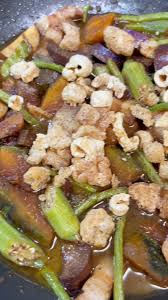
Pinakbet with Chicharon is a comforting Filipino dish that brings together colorful vegetables, savory fermented shrimp or fish paste, and a deliciously crunchy pork topping.
Tender squash, eggplant, okra, and long green beans simmer in a rich tomato-based sauce infused with garlic, onions, and bagoong. Just before serving, crispy chicharon is scattered over the vegetables, adding a satisfying contrast of textures.
This homemade version is simple to prepare, full of traditional Filipino flavors, and perfect for serving with freshly steamed white rice.
2. Origin and Cultural Significance
Pinakbet, also called Pakbet, originated in the Ilocos region of the Philippines. The dish reflects a long-standing tradition of preparing flavorful meals using locally grown vegetables and fermented seafood seasonings.
There are several regional variations:
- Pinakbet Ilocano: Traditionally seasoned with fermented fish sauce or paste, known as bagoong isda.
- Pinakbet Tagalog: Commonly uses fermented shrimp paste, or bagoong alamang, and often includes squash.
- Pinakbet with Chicharon: Features crispy pork rinds added for extra richness and crunch.
Although the ingredients vary between households and regions, the defining characteristic is a flavorful combination of vegetables cooked with bagoong. Foxy Folksy Pinoy Recipes+2
This version combines a shrimp-paste vegetable base with a generous chicharon topping.
3. Ingredients
Servings: 4–5 | Preparation: 15 minutes | Cooking: 25 minutes
For the Aromatic Base
- 1 tablespoon cooking oil
- 1 small onion, finely chopped
- 3 cloves garlic, minced
- 3 medium tomatoes, chopped
- 2–3 tablespoons bagoong alamang (fermented shrimp paste)
- 1 cup water or vegetable broth
Alternative: Use bagoong isda (fermented fish seasoning) for a different regional flavor.
For the Vegetables
- ½ small squash (kalabasa), peeled and cubed
- 10 pieces fresh okra, trimmed and sliced diagonally
- ½ bunch yard-long beans (sitaw), cut into 3-inch pieces
- 1 large eggplant, cut into bite-sized cubes
- 1 medium bitter gourd (ampalaya), sliced and deseeded (optional)
For the Crispy Topping
– 1 cup pork chicharon (crispy pork rinds), lightly crushed
For Serving
- Freshly steamed white rice
- Extra chicharon, if desired
4. Optional Additions and Variations
One of the best things about Pinakbet is how easily you can customize it.
- Pork belly: Brown 150–200 g of thinly sliced pork belly before sautéing the aromatics for a richer stew.
- Fresh chili peppers: Add one or two sliced chilies for a spicy variation.
- Sweet potatoes: Substitute sweet potatoes for the squash to create a different flavor and texture.
- Extra green vegetables: Add winged beans or more yard-long beans.
- Crispy pork belly: Replace the chicharon topping with chopped lechon kawali.
- Vegetarian-inspired version: Omit the pork rinds and use a mushroom-based savory seasoning instead of fermented seafood paste. This changes the traditional flavor but produces a satisfying vegetable stew.
For the closest result to the featured recipe, keep the bagoong, squash, eggplant, okra, and crispy chicharon combination.
5. Tips for Making the Best Pinakbet
Choose fresh vegetables
Fresh, firm vegetables give Pinakbet its beautiful colors and prevent the finished stew from becoming mushy.
Add vegetables in stages
Squash generally needs more cooking time than okra. Cooking everything simultaneously can leave some vegetables undercooked while others become too soft.
Filipino recipe developer Foxy Folksy recommends adding vegetables according to their cooking times, with tender okra added toward the end. Foxy Folksy Pinoy Recipes
Avoid excessive stirring
Stir the vegetables gently. Too much stirring can break apart the tender squash and eggplant.
Adjust the bagoong carefully
Fermented shrimp paste is already salty, and different brands vary considerably.
Begin with 2 tablespoons, taste the sauce, and add more only if necessary.
Keep the chicharon crispy
Add the pork rinds immediately before serving. If mixed into the hot stew too early, they absorb moisture and lose their crunch.
6. Step-by-Step Instructions
Step 1: Prepare the Vegetables
Wash all the vegetables thoroughly.
Peel the squash and remove its seeds before cutting it into approximately 1-inch cubes.
Trim the okra and slice diagonally. Cut the yard-long beans into 3-inch lengths.
Cube the eggplant into bite-sized pieces.
If using bitter gourd, remove the seeds and slice it thinly. For a milder flavor, soak the slices in lightly salted water for approximately 15–20 minutes, then rinse and drain.
Step 2: Sauté the Aromatics
Heat 1 tablespoon of cooking oil in a large skillet or deep cooking pan over medium heat.
Add the chopped onion and sauté for approximately 2 minutes until softened.
Stir in the minced garlic and cook for another 30–60 seconds until fragrant.
Avoid browning the garlic excessively, as this can introduce bitterness.
Step 3: Cook the Tomatoes
Add the chopped tomatoes to the skillet.
Cook for 3–5 minutes, stirring occasionally.
As the tomatoes soften, gently press them with the back of a wooden spoon.
They should release their juices and begin forming a flavorful sauce with the onions and garlic.
Step 4: Add the Shrimp Paste
Stir 2 tablespoons of bagoong alamang into the tomato mixture.
Cook for approximately 1 minute, stirring constantly to distribute the seasoning evenly.
The shrimp paste provides the signature savory flavor that distinguishes Pinakbet from ordinary vegetable stews.
Pour in 1 cup of water or broth and stir.
Bring the mixture to a gentle simmer.
Step 5: Add the Squash
Place the cubed squash into the simmering sauce.
Cover the skillet and cook for approximately 4–5 minutes.
The squash should begin to soften while remaining firm enough to hold its shape.
If the liquid evaporates too quickly, add a few tablespoons of water.
Step 6: Add the Remaining Vegetables
Add the yard-long beans, eggplant, and optional bitter gourd.
Gently fold the vegetables into the sauce.
Cover and continue simmering for approximately 3–4 minutes.
Add the okra and cook for another 3–5 minutes, or until all the vegetables reach your preferred tenderness.
The finished vegetables should be tender but not falling apart.
Step 7: Adjust the Seasoning
Taste the cooking liquid.
If necessary, add a little more bagoong to intensify the savory flavor.
Let the stew simmer uncovered for another 1–2 minutes if the sauce needs to reduce.
Pinakbet should have a flavorful, lightly concentrated sauce rather than an excessively watery broth.
Step 8: Add the Crispy Chicharon
Turn off the heat.
Transfer the vegetables and sauce to a serving platter or deep bowl.
Lightly crush the chicharon into generous bite-sized pieces.
Scatter the crispy pork rinds across the top of the vegetables immediately before serving.
Step 9: Serve
Serve your homemade Pinakbet with Chicharon while warm.
Pair it with freshly steamed white rice to balance the salty, savory flavors of the bagoong.
For the best texture, provide extra chicharon on the side so everyone can add more crunch to their portion.
7. Description: What Does Pinakbet with Chicharon Taste Like?
Pinakbet with Chicharon offers a wonderful combination of flavors and textures.
The squash develops a naturally sweet, tender interior that balances the concentrated saltiness of the fermented shrimp paste.
Eggplant becomes soft and absorbs the tomato-based sauce, while yard-long beans provide a pleasant bite.
Okra contributes its distinctive tender texture, and optional bitter gourd adds a slightly bitter contrast.
The garlic, onions, and tomatoes bring the different ingredients together into a fragrant, savory stew.
Finally, the chicharon adds a crispy, salty finish that makes every spoonful more satisfying.
Served over white rice, the dish becomes a hearty and comforting Filipino meal.
8. Nutritional Information
Pinakbet contains a variety of vegetables that contribute fiber, vitamins, and minerals.
However, the addition of fermented seafood paste and pork chicharon increases its sodium and fat content.
The following values are broad estimates for one serving, assuming the recipe makes approximately five portions.
| Nutrient | Estimated Amount |
|---|---|
| Calories | 180–280 kcal |
| Protein | 7–12 g |
| Carbohydrates | 18–28 g |
| Total Fat | 10–18 g |
| Dietary Fiber | 4–7 g |
| Sodium | Varies considerably with bagoong and chicharon |
These estimates exclude rice and depend on vegetable sizes, the type of pork rinds, and the brand and quantity of bagoong used.
Squash contributes carotenoids, while the other vegetables provide a range of micronutrients.
For a lighter variation, reduce the amount of chicharon and choose a smaller quantity of shrimp paste.
9. Recipe Details
| Category | Details |
|---|---|
| Recipe Name | Pinakbet with Chicharon |
| Cuisine | Filipino |
| Dish Type | Vegetable Stew |
| Preparation Time | 15 minutes |
| Cooking Time | 25 minutes |
| Total Time | 40 minutes |
| Servings | 4–5 |
| Cooking Method | Sautéing and Simmering |
| Difficulty | Easy |
| Main Ingredients | Squash, Okra, Eggplant, Long Beans, Bagoong |
| Topping | Crispy Pork Chicharon |
| Best Served With | Steamed White Rice |
10. Conclusion
Pinakbet with Chicharon is a delicious example of how simple vegetables can become an incredibly flavorful meal.
The combination of fresh squash, okra, eggplant, long beans, tomatoes, and fermented shrimp paste creates a comforting stew with plenty of savory depth.
Adding crispy chicharon gives the dish an irresistible finishing touch, creating a satisfying contrast between soft vegetables and crunchy pork.
With a straightforward cooking method and ingredients that can be adjusted to suit your preferences, this Filipino favorite is an excellent choice for a homemade lunch or family dinner.
11. Recommendations for Serving and Storage
Best Serving Suggestions
Pinakbet with Chicharon pairs beautifully with:
- Steamed jasmine rice: A simple way to balance the rich, salty sauce.
- Grilled fish: Adds protein and complements the vegetable flavors.
- Grilled chicken: Creates a more substantial meal.
- Fresh cucumber salad: Offers a cool, refreshing contrast.
Storage Instructions
If you have leftovers:
- Transfer the stew into shallow, airtight containers.
- Refrigerate within 2 hours of cooking.
- Store at 40°F (4°C) or below.
- Consume refrigerated leftovers within 3–4 days.
- Reheat thoroughly before serving.
These storage practices follow general food-safety recommendations. FoodSafety.gov
Important: Store the chicharon separately in an airtight container. Add it after reheating the vegetables to preserve its crispy texture.
12. Embracing Healthful Indulgence
Comfort food can be both flavorful and filled with nourishing ingredients, and Pinakbet with Chicharon demonstrates this beautifully.
The generous mixture of vegetables provides variety, color, and fiber, while the bagoong delivers a distinctive savory taste that requires relatively little additional seasoning.
Although chicharon contributes extra fat and sodium, using it as a topping allows you to enjoy its signature crunch while controlling the portion.
For a more balanced plate, serve a generous portion of Pinakbet alongside rice and a lean protein, such as grilled fish or chicken.
Whether prepared for an everyday family meal or shared during a special gathering, homemade Pinakbet with Chicharon celebrates the comforting flavors and vegetable-rich cooking traditions of the Philippines.