
1. Introduction
Breakfast is an important meal that helps provide the energy and nutrients needed to begin the day. Choosing a balanced breakfast can support concentration, physical activity, and overall well-being. However, preparing breakfast does not have to be complicated or time-consuming.
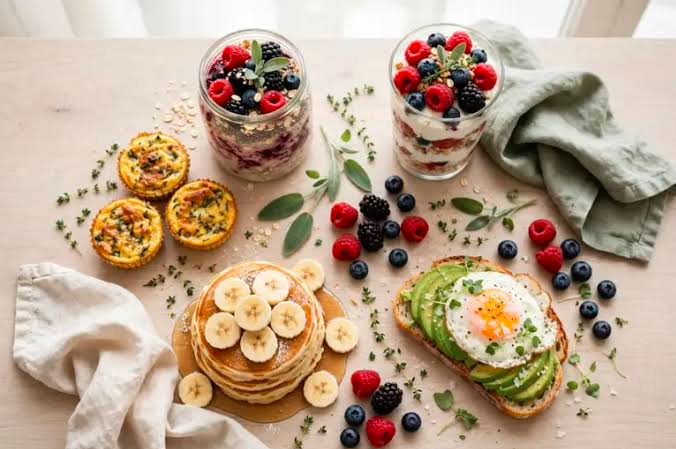
Quick breakfast options offer practical solutions for busy mornings while providing essential nutrients such as protein, fiber, vitamins, minerals, and healthy fats. From Greek yogurt with fresh berries to avocado toast with eggs, there are many ways to create satisfying and nutritious meals using simple ingredients.
This guide presents twelve easy breakfast ideas, including their ingredients, preparation methods, nutritional benefits, and practical recommendations.
2. Importance of a Healthy Breakfast
A nutritious breakfast contributes to a balanced daily eating pattern. It provides an opportunity to consume important nutrients that support normal body functions.
Some important benefits include:
- Energy: Provides carbohydrates and other nutrients that help fuel daily activities.
- Concentration: Supports attention and cognitive performance, particularly during school or work.
- Protein intake: Helps maintain and repair body tissues and supports normal muscle function.
- Digestive health: Fiber-rich foods contribute to healthy digestion.
- Nutrient intake: Fruits, vegetables, dairy products, eggs, and whole grains provide essential vitamins and minerals.
- Meal satisfaction: Combining protein, fiber, and healthy fats can help create a satisfying breakfast.
3. Quick Breakfast Options and Their Benefits
3.1. Greek Yogurt with Blueberries
Description: A refreshing breakfast combining creamy Greek yogurt with fresh blueberries. It is particularly convenient for mornings when preparation time is limited.
Ingredients (1 Serving):
- 170 g plain Greek yogurt.
- ½ cup fresh blueberries.
- 1 teaspoon honey (optional).
- 1 tablespoon chopped walnuts (optional).
Preparation:
- Place the Greek yogurt in a serving bowl.
- Wash and add the blueberries.
- Sprinkle with chopped walnuts.
- Add a little honey if desired.
- Serve immediately.
Benefits: Provides protein, calcium, and antioxidants. Blueberries also contribute dietary fiber and vitamin C.
3.2. Boiled Eggs with Cucumber
Description: A simple savory breakfast combining protein-rich eggs with refreshing cucumber slices.
Ingredients (1 Serving):
- 2 large eggs.
- ½ English cucumber.
- A pinch of salt.
- Black pepper to taste.
- Fresh parsley (optional).
Preparation:
- Place the eggs in a saucepan and cover with water.
- Bring to a boil and cook for approximately 10–12 minutes.
- Cool the eggs, remove their shells, and cut them in half.
- Wash and slice the cucumber.
- Arrange everything on a plate and season lightly.
Benefits: Eggs provide complete protein, vitamin B12, and choline, while cucumber contributes water and small amounts of vitamins and minerals.
3.3. Oatmeal with Banana and Cinnamon
Description: A warm and comforting breakfast made with rolled oats, banana, and cinnamon.
Ingredients (1 Serving):
- ½ cup rolled oats.
- 1 medium banana.
- ½ cup milk or water.
- ½ teaspoon ground cinnamon.
- 1 teaspoon honey (optional).
Preparation:
- Combine the oats and milk or water in a saucepan.
- Cook over medium-low heat for approximately 5 minutes, stirring occasionally.
- Slice the banana into small pieces.
- Add the banana and cinnamon.
- Stir and serve warm.
Benefits: Oats provide soluble fiber, particularly beta-glucan, which supports digestive health and helps maintain healthy cholesterol levels. Bananas contribute potassium and vitamin B6.
3.4. Cottage Cheese with Pear
Description: A creamy and naturally sweet breakfast combining cottage cheese with fresh pear.
Ingredients (1 Serving):
- ½ cup cottage cheese.
- 1 medium pear.
- 1 tablespoon chopped almonds.
- A pinch of cinnamon (optional).
Preparation:
- Wash and cut the pear into small pieces.
- Place the cottage cheese in a bowl.
- Add the pear pieces.
- Sprinkle with chopped almonds and cinnamon.
- Serve immediately.
Benefits: Cottage cheese provides protein and calcium, while pears supply dietary fiber and natural sweetness.
3.5. Avocado and Egg Toast
Description: A popular savory breakfast featuring creamy avocado spread over whole-grain toast and topped with a cooked egg.
Ingredients (1 Serving):
- 1 slice whole-grain bread.
- ½ ripe avocado.
- 1 large egg.
- 1 teaspoon lemon juice.
- Black pepper to taste.
- Fresh parsley (optional).
Preparation:
- Toast the whole-grain bread until lightly golden.
- Mash the avocado with lemon juice.
- Spread the avocado mixture over the toast.
- Cook the egg according to preference.
- Place the egg on top and season with black pepper.
Benefits: Avocado provides monounsaturated fats, fiber, and potassium. Eggs contribute protein and important micronutrients.
3.6. Apple with Almond Butter
Description: A convenient breakfast or morning snack combining crisp apple slices with smooth almond butter.
Ingredients (1 Serving):
- 1 medium apple.
- 1 tablespoon almond butter.
- A pinch of cinnamon (optional).
Preparation:
- Wash the apple thoroughly.
- Cut it into thin slices.
- Arrange the slices on a plate.
- Serve with almond butter for dipping.
- Add cinnamon if desired.
Benefits: Apples provide fiber and vitamin C, while almond butter contributes healthy fats, vitamin E, and plant-based protein.
3.7. Chia Pudding with Berries
Description: A make-ahead breakfast featuring chia seeds soaked in milk until they develop a thick, pudding-like consistency.
Ingredients (1 Serving):
- 3 tablespoons chia seeds.
- ¾ cup milk or fortified plant-based milk.
- ½ cup mixed berries.
- 1 teaspoon honey or maple syrup (optional).
- ½ teaspoon vanilla extract (optional).
Preparation:
- Combine the chia seeds and milk in a container.
- Add vanilla extract and sweetener if desired.
- Stir thoroughly to prevent the seeds from clumping.
- Refrigerate for at least 4 hours or overnight.
- Stir again before serving.
- Top with fresh berries.
Benefits: Chia seeds provide dietary fiber, plant-based omega-3 fatty acids, and minerals. Berries add antioxidants and vitamin C.
3.8. Sweet Potato with Greek Yogurt
Description: A sweet-and-savory breakfast combining tender sweet potato with creamy Greek yogurt.
Ingredients (1 Serving):
- 1 medium sweet potato.
- ½ cup plain Greek yogurt.
- ½ teaspoon cinnamon (optional).
- 1 teaspoon chopped walnuts (optional).
Preparation:
- Wash the sweet potato and pierce its skin several times with a fork.
- Bake at 400°F (200°C) for approximately 40–50 minutes, or microwave until tender.
- Allow it to cool slightly.
- Cut it open and add Greek yogurt.
- Finish with cinnamon or chopped walnuts.
Benefits: Sweet potatoes provide beta-carotene, fiber, and potassium. Greek yogurt adds protein and calcium.
3.9. Overnight Oats with Walnuts
Description: A convenient breakfast prepared the night before, allowing the oats to soften in milk while developing a creamy texture.
Ingredients (1 Serving):
- ½ cup rolled oats.
- ½ cup milk.
- 1 tablespoon chopped walnuts.
- ½ teaspoon cinnamon.
- 1 teaspoon honey (optional).
Preparation:
- Place the oats in a small jar or container.
- Add the milk and cinnamon.
- Stir until combined.
- Cover and refrigerate overnight.
- In the morning, add chopped walnuts and honey.
- Serve chilled or warm gently if preferred.
Benefits: Oats provide fiber, walnuts contribute healthy fats and plant-based omega-3 fatty acids, and milk supplies protein and calcium.
3.10. Eggs with Spinach and Tomatoes
Description: A colorful savory breakfast combining eggs with fresh vegetables for a simple, nutrient-rich meal.
Ingredients (1 Serving):
- 2 large eggs.
- 1 cup fresh spinach.
- ½ cup chopped tomatoes.
- 1 teaspoon olive oil.
- Salt and black pepper to taste.
Preparation:
- Heat olive oil in a nonstick skillet.
- Add the chopped tomatoes and cook for approximately 2 minutes.
- Add spinach and stir until wilted.
- Beat the eggs in a separate bowl.
- Pour the eggs into the skillet.
- Stir gently until fully cooked.
- Season and serve warm.
Benefits: Eggs provide protein and choline, spinach contributes folate and vitamin K, and tomatoes provide vitamin C and lycopene.
3.11. Banana with Peanut Butter
Description: A quick breakfast combining naturally sweet banana with creamy peanut butter.
Ingredients (1 Serving):
- 1 medium banana.
- 1 tablespoon natural peanut butter.
- 1 teaspoon chia seeds (optional).
Preparation:
- Peel and slice the banana.
- Arrange the slices on a small plate.
- Add peanut butter on top or serve it as a dip.
- Sprinkle with chia seeds if desired.
Benefits: Bananas provide carbohydrates and potassium, while peanut butter contributes protein, vitamin E, and unsaturated fats.
3.12. Greek Yogurt with Mango and Chia Seeds
Description: A tropical-inspired breakfast combining creamy Greek yogurt with sweet mango and chia seeds.
Ingredients (1 Serving):
- ¾ cup plain Greek yogurt.
- ½ cup fresh diced mango.
- 1 teaspoon chia seeds.
- 1 teaspoon honey (optional).
- A few mint leaves (optional).
Preparation:
- Place Greek yogurt in a serving bowl.
- Peel and dice the mango.
- Add the mango pieces to the yogurt.
- Sprinkle with chia seeds.
- Add honey and mint if desired.
- Serve immediately.
Benefits: Greek yogurt provides protein and calcium, mango supplies vitamins A and C, and chia seeds contribute fiber and omega-3 fatty acids.
4. Optional Additions
Breakfast recipes can be adapted according to personal preferences, available ingredients, and nutritional needs.
| Category | Optional additions |
|---|---|
| Fruits | Strawberries, raspberries, kiwi, oranges, apples |
| Nuts and seeds | Almonds, walnuts, chia seeds, flaxseeds |
| Whole grains | Whole-grain bread, oats, granola |
| Dairy products | Greek yogurt, cottage cheese, milk |
| Healthy fats | Avocado, almond butter, peanut butter |
| Natural flavorings | Cinnamon, vanilla, lemon juice, fresh mint |
| Vegetables | Spinach, tomatoes, cucumber, mushrooms |
These additions provide variety and make it easier to incorporate different nutrients into everyday breakfasts.
5. Tips for Success
- Prepare ingredients in advance: Wash fruits, portion nuts, and prepare overnight oats the evening before.
- Choose whole foods: Whenever possible, use fresh fruits, vegetables, whole grains, and minimally processed ingredients.
- Include protein: Eggs, Greek yogurt, cottage cheese, and nut butters are convenient protein sources.
- Add dietary fiber: Oats, fruits, vegetables, chia seeds, and whole-grain products contribute fiber.
- Stay hydrated: Include water with breakfast as part of your morning routine.
- Control preparation time: Select recipes that match your available time and cooking facilities.
- Use seasonal ingredients: Seasonal fruits and vegetables can provide variety and may be more economical.
- Store food safely: Refrigerate prepared dairy-based breakfasts and overnight oats in covered containers.
- Adapt recipes: Substitute ingredients according to allergies, dietary requirements, and personal preferences.
- Avoid unnecessary complexity: A nutritious breakfast can be made with only a few well-chosen ingredients.
6. Nutritional Information
The following table provides approximate nutritional estimates for one serving of each breakfast option.
| Breakfast option | Calories | Protein | Fiber |
|---|---|---|---|
| Greek yogurt + blueberries | 150–220 kcal | 17–22 g | 2–4 g |
| Boiled eggs + cucumber | 170–200 kcal | 12–14 g | 1–2 g |
| Oats + banana + cinnamon | 230–300 kcal | 7–11 g | 5–7 g |
| Cottage cheese + pear | 190–250 kcal | 13–16 g | 5–7 g |
| Avocado + egg toast | 280–350 kcal | 10–14 g | 6–9 g |
| Apple + almond butter | 180–220 kcal | 3–5 g | 4–6 g |
| Chia pudding + berries | 280–350 kcal | 8–12 g | 11–15 g |
| Sweet potato + Greek yogurt | 200–270 kcal | 12–16 g | 5–7 g |
| Overnight oats + walnuts | 240–300 kcal | 8–11 g | 5–7 g |
| Eggs + spinach + tomatoes | 200–240 kcal | 13–15 g | 2–3 g |
| Banana + peanut butter | 180–220 kcal | 4–6 g | 3–5 g |
| Greek yogurt + mango + chia | 170–220 kcal | 15–19 g | 3–5 g |
Note: Nutritional values are estimates and depend on portion sizes, brands, preparation methods, and ingredient substitutions. They are intended as general information rather than dietary targets.
Key Nutritional Components
- Protein: Supports normal growth, tissue maintenance, and muscle function.
- Carbohydrates: Provide an important source of energy for everyday activities.
- Dietary fiber: Supports digestive health and contributes to meal satisfaction.
- Healthy fats: Support normal cell function and help the body absorb fat-soluble vitamins.
- Vitamins and minerals: Contribute to immunity, bone health, metabolism, and other essential physiological processes.
7. Embracing Healthful Indulgence
Eating healthfully does not mean eliminating enjoyable foods or following strict dietary rules. Instead, it involves creating a balanced and flexible relationship with food.
Breakfast can be both nutritious and enjoyable by combining different textures, flavors, and ingredients. For example, Greek yogurt can be paired with naturally sweet fruits, oatmeal can be enriched with nuts and cinnamon, and avocado toast can be complemented with a freshly cooked egg.
It is also important to recognize that nutritional needs vary from one person to another. Appetite, daily activity, age, and individual preferences all influence the type and quantity of food needed.
A flexible approach encourages variety, moderation, and enjoyment while supporting long-term healthy eating habits.
8. Conclusion
Quick breakfast options provide practical ways to incorporate essential nutrients into everyday meals without requiring extensive preparation.
The twelve recipes presented in this guide demonstrate how simple ingredients such as eggs, oats, Greek yogurt, fruits, vegetables, nuts, and seeds can be transformed into satisfying breakfast combinations.
By preparing ingredients in advance, choosing a variety of foods, and adapting recipes to individual preferences, breakfast can become an enjoyable and consistent part of a balanced lifestyle.
Ultimately, a nutritious breakfast is not defined by complexity but by the quality, variety, and balance of the foods included.
9. Recommendations
To make breakfast preparation easier and maintain variety throughout the week, consider the following recommendations:
- Plan ahead: Select several breakfast recipes at the beginning of the week.
- Prioritize variety: Alternate between sweet and savory breakfast options.
- Combine food groups: Include a combination of protein, fiber-rich carbohydrates, fruits or vegetables, and healthy fats.
- Prepare overnight recipes: Use overnight oats and chia pudding when mornings are particularly busy.
- Choose accessible ingredients: Prefer affordable, locally available, and seasonal foods.
- Listen to hunger and fullness cues: Adjust portions according to individual appetite and needs.
- Maintain food safety: Refrigerate perishable ingredients and avoid leaving prepared dairy and egg dishes at room temperature for extended periods.
- Make breakfast enjoyable: Experiment with flavors, toppings, and preparation methods to discover combinations that suit your preferences.
A well-planned breakfast routine can make everyday eating more convenient, varied, and enjoyable while contributing to overall nutritional well-being.