
Introduction
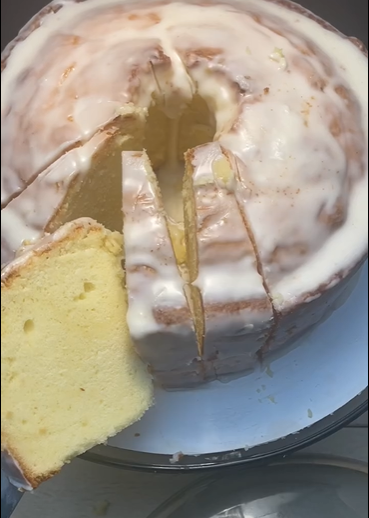
Soft Vanilla Bundt Cake with Creamy Vanilla Glaze is a classic homemade dessert that combines a tender, buttery crumb with a beautifully golden crust and a smooth vanilla icing. Baked in a decorative Bundt pan, this cake looks impressive even before the glaze is added. Once finished, the creamy icing flows gently over the curves of the cake, creating an elegant dessert that is perfect for family gatherings, birthdays, holidays, and afternoon coffee.
The secret to this cake’s soft texture is the combination of butter, vegetable oil, sour cream, and milk. Butter provides rich flavor, oil helps maintain moisture, and sour cream contributes a delicate tang while keeping the crumb tender. A generous amount of vanilla extract enhances the comforting flavor throughout every slice.
Whether served plain with coffee or dressed up with fresh berries, this vanilla Bundt cake is an inviting treat that brings homemade warmth to any occasion.
Origin
Bundt cakes are closely associated with American home baking, although their shape was inspired by traditional European ring-shaped cakes, including the German Gugelhupf. These older cakes were often baked in fluted molds and served at family gatherings and celebrations.
The modern Bundt pan became especially popular in the United States during the twentieth century. Its distinctive central tube helps heat reach the middle of the cake, while its decorative ridges create an attractive shape without requiring elaborate frosting techniques.
Vanilla Bundt cake is a modern variation of this baking tradition. It combines the familiar flavors of a butter cake with the practical beauty of a ring-shaped pan and a simple glaze. Although recipes differ in ingredients and texture, the goal remains the same: a flavorful, tender cake that looks beautiful on the serving table.
Cultural Significance
Bundt cakes have earned a special place in American home baking because they are suitable for both everyday treats and special occasions. Their decorative shape makes them easy to present at potlucks, holiday dinners, birthdays, bake sales, and afternoon gatherings.
Unlike elaborate layer cakes, a Bundt cake can look festive with very little decoration. A simple powdered sugar dusting or vanilla glaze is often enough to highlight its shape and make it feel special.
Vanilla is another reason this cake remains popular. Its familiar aroma pairs naturally with coffee, tea, fruit, chocolate, and many other flavors. This makes a soft vanilla Bundt cake a versatile dessert that can be enjoyed throughout the year.
Ingredients and Quantities
For the Vanilla Bundt Cake
- 3 cups all-purpose flour (about 360 g)
- 2 1/2 teaspoons baking powder
- 1/2 teaspoon baking soda
- 1/2 teaspoon salt
- 1 cup unsalted butter, softened (227 g)
- 1 3/4 cups granulated sugar (about 350 g)
- 4 large eggs, at room temperature
- 1 tablespoon vanilla extract
- 1 cup sour cream, at room temperature (about 240 g)
- 1/2 cup whole milk, at room temperature (120 ml)
- 1/4 cup vegetable oil (60 ml)
For the Creamy Vanilla Glaze
- 2 cups powdered sugar (about 240 g)
- 3 tablespoons whole milk, plus extra as needed
- 1 tablespoon unsalted butter, melted
- 1 teaspoon vanilla extract
- A small pinch of salt
For Preparing the Pan
- A little softened butter or baking spray
- A small amount of all-purpose flour, for dusting if needed
Optional Additions
This vanilla Bundt cake is delicious as written, but a few simple additions can give it a different character.
- Lemon zest: Add 1–2 teaspoons of finely grated lemon zest to the batter for a fresh citrus aroma.
- Almond extract: Replace a small portion of the vanilla extract with almond extract for a subtle bakery-style flavor.
- White chocolate: Drizzle melted white chocolate over the set vanilla glaze for a sweeter finish.
- Fresh berries: Serve slices with strawberries, raspberries, or blueberries for a fruity contrast.
- Cinnamon: Add 1/2 teaspoon of ground cinnamon to the dry ingredients for a gentle warming note.
- Toasted almonds: Sprinkle finely chopped toasted almonds over the glaze before it sets.
- Orange zest: Add a teaspoon of orange zest to complement the vanilla and create a bright, fragrant variation.
- Vanilla bean: Use the seeds from a vanilla bean instead of part of the vanilla extract for visible specks and a deeper vanilla aroma.
For the best texture, keep additional ingredients moderate. Too much liquid or too many heavy mix-ins can affect the cake’s rise and baking time.
Tips for Success
1. Prepare Every Curve of the Bundt Pan
Bundt pans have ridges and narrow details where cake can easily stick. Grease the entire interior thoroughly, including the central tube. Dust with flour and tap out any excess, or use a baking spray designed for cakes.
2. Use Room-Temperature Ingredients
Butter, eggs, milk, and sour cream should be close to room temperature before mixing. This helps the ingredients combine smoothly and reduces the risk of a split or uneven batter.
3. Cream the Butter and Sugar Thoroughly
Beat the butter and sugar for 4–5 minutes until the mixture looks noticeably pale and fluffy. This process incorporates air, helping create a lighter cake crumb.
4. Avoid Overmixing the Batter
Once the flour is added, mix on low speed only until the ingredients are combined. Overmixing can develop gluten and make the finished cake less tender.
5. Distribute the Batter Evenly
Spoon the batter evenly into the prepared pan, then gently smooth the surface. Tap the pan lightly on the counter to release large air pockets, taking care not to knock out too much air.
6. Check the Center Before Removing the Cake
Bundt cakes are relatively deep, so the outside may brown before the center is fully baked. Begin checking at around 45 minutes. A wooden skewer inserted into the thickest section should come out clean or with a few dry crumbs.
7. Allow the Cake to Rest Before Turning It Out
Let the cake cool in the pan for about 15 minutes. This gives the structure time to settle while the cake is still warm enough to release more easily. Waiting too long can sometimes make it harder to remove cleanly.
8. Cool Completely Before Glazing
Glaze applied to a warm cake may melt and disappear into the surface. Place the cake on a wire rack and let it cool completely before adding the icing.
9. Adjust the Glaze Gradually
Add the milk a little at a time until the glaze is thick but pourable. If it becomes too thin, whisk in more powdered sugar. If it is too thick, add a few drops of milk until it flows slowly over the cake.
Instructions
Step 1: Prepare the Bundt Pan and Dry Ingredients
Preheat the oven to 350°F (175°C).
Generously grease a 10-inch Bundt pan, taking special care to coat the central tube and all the decorative grooves. Lightly dust the pan with flour and shake out the excess.
In a medium bowl, whisk together the all-purpose flour, baking powder, baking soda, and salt. Set aside.
Step 2: Cream the Butter and Sugar
In a large mixing bowl, beat the softened butter and granulated sugar with an electric mixer for 4–5 minutes, until pale, light, and fluffy.
Add the vegetable oil and mix until incorporated. Add the eggs one at a time, beating well after each addition. Scrape down the sides of the bowl as needed, then mix in the vanilla extract.
Step 3: Prepare the Moist Vanilla Batter
In a separate bowl, stir together the sour cream and milk until smooth.
Add approximately one-third of the flour mixture to the butter mixture and mix on low speed. Add half of the sour cream mixture, followed by another portion of the dry ingredients. Continue alternating, finishing with the remaining flour mixture.
Mix only until the batter is smooth and no dry flour remains. Avoid prolonged beating.
Step 4: Fill the Pan and Bake
Transfer the batter to the prepared Bundt pan, spreading it evenly with a spatula. Gently smooth the top.
Bake for 45–55 minutes, checking near the 45-minute mark. The cake should be golden brown, and a wooden skewer inserted into the thickest part should come out clean or with a few dry crumbs.
If the surface browns too quickly while the center remains underbaked, loosely cover the top with foil and continue baking until done.
Step 5: Cool the Cake
Remove the pan from the oven and place it on a heat-safe rack. Let the cake rest in the pan for approximately 15 minutes.
Carefully invert the pan onto a wire rack. If the cake does not release immediately, allow it a little more time rather than shaking it forcefully. Once released, leave the cake to cool completely.
Step 6: Make the Creamy Vanilla Glaze
Place the powdered sugar in a medium bowl. Add the milk, melted butter, vanilla extract, and a pinch of salt.
Whisk until smooth and glossy. If the glaze is too thick to pour, add milk a few drops at a time. If it becomes too thin, add a little more powdered sugar.
The ideal consistency should allow the glaze to flow slowly from a spoon while remaining thick enough to cling to the cake.
Step 7: Glaze the Cake
Transfer the completely cooled cake to a serving plate or cake stand.
Slowly pour the vanilla glaze over the top, allowing it to flow naturally along the ridges and down the sides. Use a spoon to guide the glaze into areas that need a little extra coverage.
For a more polished appearance, pour the glaze in stages rather than all at once.
Step 8: Let the Glaze Set and Serve
Allow the glaze to set for approximately 15–20 minutes before slicing.
Cut the cake into even portions using a sharp knife. Serve with coffee, tea, fresh berries, or a small spoonful of whipped cream if desired.
Description
Soft Vanilla Bundt Cake with Creamy Vanilla Glaze is a beautifully shaped homemade cake with a tender, buttery interior and a delicate golden crust. The sour cream and milk help create a moist crumb, while the combination of butter and vegetable oil contributes both flavor and lasting softness.
The smooth vanilla glaze adds a sweet, creamy finish that settles into the cake’s decorative curves. Each slice offers a comforting vanilla aroma, a soft texture, and a balanced sweetness that makes this cake suitable for everyday enjoyment or special celebrations.
Its elegant appearance requires very little effort, making it an excellent choice for home bakers who want a dessert that looks impressive without complicated decorating techniques.
Nutritional Information
The following nutritional values are estimates and will vary depending on the ingredients, brands, portion sizes, and amount of glaze used.
Estimated nutrition per serving, assuming 12 servings:
- Calories: 550
- Protein: 6 g
- Carbohydrates: 75–82 g
- Total fat: 24–27 g
- Saturated fat: 12–15 g
- Sugar: 45–52 g
- Sodium: 250–330 mg
These figures are approximate rather than laboratory-verified. For more precise values, calculate the nutrition using the exact ingredients and quantities used.
Conclusion
Soft Vanilla Bundt Cake with Creamy Vanilla Glaze is a wonderful example of how simple ingredients can create a memorable homemade dessert. Its buttery flavor, moist crumb, golden exterior, and smooth vanilla icing make every slice comforting and satisfying.
The Bundt pan provides a naturally decorative shape, so there is no need for elaborate frosting or complicated finishing techniques. With careful mixing, proper pan preparation, and enough cooling time, this cake can become a reliable favorite for gatherings, holidays, or a quiet afternoon at home.
The recipe also offers plenty of room for creativity. Add citrus zest, serve it with fresh fruit, or enjoy the classic vanilla version exactly as it is.
Recommendation
For the best results, bake this cake a day before serving if your schedule allows. Once completely cool, store it in an airtight container at room temperature, provided your kitchen is cool and the cake is made with the ingredients listed. Add the glaze shortly before serving if you want the freshest, neatest finish.
If preparing the cake in a warm kitchen, keep it away from direct sunlight and excessive heat. Refrigeration can extend its keeping time, although it may make the crumb feel firmer; allow refrigerated slices to stand briefly at room temperature before serving.
For an especially inviting presentation, serve each slice with fresh strawberries, a few raspberries, or a cup of freshly brewed coffee. A simple dessert like this is often best enjoyed without too many additions.
Embracing Healthful Indulgence
Homemade desserts can be enjoyed as part of a balanced eating pattern, and this vanilla Bundt cake is designed to be a rich, satisfying treat rather than an everyday staple. Its soft texture and familiar flavor make it well suited to occasions when you want to share something homemade with others.
If you prefer a slightly less-sweet finish, you can use a thinner layer of glaze or drizzle it selectively over the cake instead of covering the entire surface. Fresh berries on the side provide a naturally fruity contrast, while lemon zest can add brightness without requiring additional sugar.
The goal is to enjoy the dessert in a way that feels satisfying and comfortable. With quality ingredients, thoughtful portions, and the pleasure of sharing homemade food, this classic vanilla cake can be a welcome addition to celebrations and special moments.