
1. Introduction
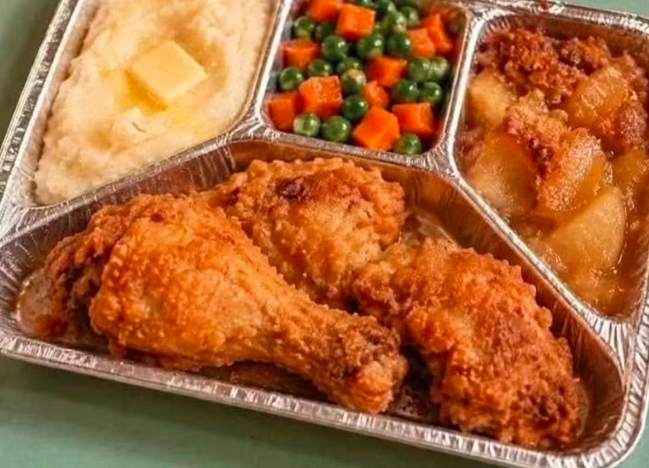
Southern Fried Chicken Dinner with Creamy Mashed Potatoes and Buttered Vegetables is a comforting homemade meal that brings together crispy fried chicken, smooth mashed potatoes, tender peas and carrots, and savory skillet potatoes. Every component offers a different texture and flavor, from the crunchy seasoned chicken coating to the creamy potatoes and buttery vegetables.
The chicken is marinated in buttermilk to help it remain juicy, then coated in a seasoned flour and cornstarch mixture that creates a crisp, golden crust. The mashed potatoes are enriched with butter, warm milk, and cream, while the peas and carrots are gently cooked with butter for a simple, naturally sweet side. A separate potato dish simmered with onion, garlic, tomato paste, and chicken broth adds a savory finish.
Although this dinner includes several components, each uses straightforward ingredients and familiar cooking techniques. With a little organization, you can prepare everything at home and bring it together for a satisfying family meal.
This recipe is ideal for Sunday dinners, family gatherings, weekend cooking, or anyone craving a classic comfort-food plate. Serve it fresh from the stove for the best contrast between the crunchy chicken, creamy potatoes, and tender vegetables.
2. Origin
Southern fried chicken is closely associated with the culinary traditions of the American South. Its history reflects several influences, including West African frying traditions and European methods of preparing chicken. Enslaved African Americans played a significant role in developing and preserving Southern cooking traditions, including fried chicken preparations, which later became an important part of regional food culture.
Over generations, fried chicken became popular for family meals, celebrations, picnics, and gatherings. Its appeal comes from the contrast between a seasoned, crunchy exterior and tender meat inside. Buttermilk marinades and seasoned flour coatings are now common techniques in many American fried chicken recipes, although methods and seasonings vary widely by family and region.
Mashed potatoes have a separate history rooted in the cultivation and spread of potatoes, which originated in the Andes of South America before becoming a major food crop in Europe and elsewhere. In the United States, buttery mashed potatoes became a familiar accompaniment to roasted meats, fried chicken, gravies, and other hearty meals.
Peas and carrots are also widely used side dishes because they are easy to prepare, colorful, and naturally suited to butter and simple seasonings. The savory tomato-based potatoes in this recipe are a suggested modern side rather than a defining traditional Southern preparation.
Together, these dishes create a contemporary comfort-food dinner inspired by familiar American home-cooking traditions.
3. Cultural Significance
Fried chicken dinners often evoke the warmth of home cooking, shared family meals, and food prepared for special occasions. In many households, recipes for fried chicken are passed down and adapted over time, with each cook developing preferred seasonings, marinades, and frying techniques.
The meal also demonstrates how a satisfying dinner can be built around complementary textures. The crisp chicken provides a crunchy contrast to creamy mashed potatoes, while peas and carrots add color and a gentle sweetness. The savory potato side introduces another layer of flavor, making the plate feel generous and complete.
Comfort food is not only about richness. It is also about familiarity, enjoyment, and the experience of bringing several simple dishes together. A meal like this can be served at a relaxed family dinner or adapted for individual meal-prep portions.
This version uses widely available ingredients and allows for easy adjustments. You can season the chicken more heavily, add black pepper to the mashed potatoes, prepare a homemade gravy, or replace the savory potatoes with coleslaw, corn, green beans, or another favorite side.
The recipe honors the spirit of a hearty homemade dinner while allowing cooks to make it their own.
4. Ingredients and Quantities
This recipe serves approximately four people. Because it includes chicken and three side dishes, prepare the ingredients before cooking to make the process more organized.
For the crispy fried chicken
- 4 chicken pieces: 2 drumsticks and 2 thighs
- 1 cup buttermilk
- 1 tablespoon hot sauce, optional
- 2 cups all-purpose flour
- 1/2 cup cornstarch
- 1 teaspoon paprika
- 1 teaspoon garlic powder
- 1 teaspoon onion powder
- 1/2 teaspoon ground black pepper
- 1 teaspoon salt
- 1/2 teaspoon cayenne pepper
- 1/2 teaspoon dried oregano
- Vegetable oil, enough for deep frying
Chicken pieces: Drumsticks and thighs are flavorful cuts that generally stay juicy during frying. Choose pieces of similar size where possible so they cook at a similar rate.
Buttermilk: Its tangy flavor complements the chicken and helps the seasoned coating adhere. If you cannot find buttermilk, stir 1 tablespoon of lemon juice or white vinegar into 1 cup of milk and let it stand for about 5–10 minutes. This substitute is thinner than commercial buttermilk but can work in this marinade.
Hot sauce: Adds a subtle tang and mild heat. It is optional and can be omitted for a milder flavor.
All-purpose flour and cornstarch: Flour forms the main crust, while cornstarch helps produce a lighter, crispier texture.
Paprika, garlic powder, onion powder, black pepper, cayenne, and oregano: These seasonings create a savory coating with warmth, mild smokiness, and a little optional heat.
Vegetable oil: Choose an oil suitable for deep frying, such as canola, sunflower, or peanut oil if appropriate for your household. Use enough oil to allow the chicken pieces to fry without crowding the pot.
For the creamy mashed potatoes
- 2 pounds potatoes, peeled and cubed
- 4 tablespoons unsalted butter
- 1/2 cup whole milk, warmed
- 1/4 cup heavy cream
- 1/2 teaspoon salt
- 1/4 teaspoon ground black pepper
Potatoes: Russet potatoes produce a fluffy mash, while Yukon Gold potatoes create a naturally creamy texture. Both are suitable.
Butter, milk, and cream: These ingredients provide richness and help create a smooth consistency. Warm the milk and cream before adding them so the potatoes stay hot and absorb the liquid evenly.
Salt and pepper: Season gradually and taste before serving.
For the buttered peas and carrots
- 1 cup green peas
- 1 cup carrots, diced
- 2 tablespoons unsalted butter
- 2 tablespoons water
- 1/4 teaspoon salt
- 1/4 teaspoon ground black pepper
Green peas: Fresh or frozen peas both work. Frozen peas can usually be added directly to the skillet.
Carrots: Cut the carrots into small, evenly sized cubes so they soften at a similar rate.
Butter and water: The water helps steam the carrots, while butter coats the vegetables and adds flavor.
For the savory potato side
- 2 medium potatoes, peeled and cubed
- 1 tablespoon olive oil
- 1/2 small onion, chopped
- 1 clove garlic, minced
- 1/2 cup chicken broth
- 1 tablespoon tomato paste
- 1/2 teaspoon paprika
- 1/4 teaspoon ground black pepper
- Salt, to taste
Potatoes: Choose firm potatoes and cut them into similarly sized cubes for even cooking.
Onion and garlic: Provide an aromatic base for the savory sauce.
Chicken broth: Helps cook the potatoes and carries the flavors of the onion, garlic, and seasonings. Use low-sodium broth if you want better control over the salt level.
Tomato paste: Adds color, concentrated tomato flavor, and body to the sauce.
Paprika, black pepper, and salt: Bring warmth and seasoning to the side dish.
5. Optional Additions
This dinner is easy to adapt according to your preferred flavors and available ingredients.
Make the chicken spicier: Increase the cayenne pepper or add a little extra hot sauce to the buttermilk marinade. Keep the heat balanced so it does not overpower the other seasonings.
Add dried herbs: A little dried thyme or sage can complement the chicken coating. Use a light hand to avoid making the seasoning blend too strong.
Prepare homemade gravy: Make a simple gravy with butter, flour, chicken broth, and black pepper. Serve it over the mashed potatoes or alongside the chicken.
Add cheese to the mashed potatoes: Stir in a small amount of grated cheddar or Parmesan for a richer flavor. Add it while the potatoes are hot so it melts smoothly.
Include fresh herbs: Chopped parsley or chives brighten the mashed potatoes and provide a fresh contrast to the buttery ingredients.
Use frozen mixed vegetables: If you want to save preparation time, replace the separate peas and carrots with a cup or two of frozen mixed vegetables. Adjust the cooking time until everything is tender.
Add bell peppers to the savory potatoes: Finely diced bell peppers can be cooked with the onion to provide extra color and a slightly sweet flavor.
Replace the tomato paste: For a more traditional brown, savory potato side, omit the tomato paste and use a little extra broth with thyme or rosemary. The result will be less tomato-forward.
Make the chicken coating gluten-free: Use a suitable gluten-free flour blend and cornstarch, checking the product labels. Texture may vary depending on the flour blend.
Choose a lighter side combination: Keep the fried chicken as the centerpiece and serve it with extra vegetables instead of both potato sides if you prefer a less rich plate.
6. Tips for Success
Marinate the chicken safely
Keep the chicken covered in the refrigerator while it marinates. One hour is sufficient for flavor, while several hours can deepen the seasoning. Overnight marinating is convenient, but the chicken should remain refrigerated throughout.
Never marinate raw chicken on the counter, and discard the used marinade rather than serving it as a sauce.
Let excess buttermilk drip off
When removing the chicken from the marinade, allow excess liquid to drip away. This helps prevent the flour coating from becoming excessively wet or clumpy.
Press the coating onto the chicken
Press the seasoned flour mixture firmly against all sides of each piece. For extra crunch, dip the coated chicken briefly back into the buttermilk and then into the flour mixture again.
Allow the coated pieces to rest on a clean tray for about 10 minutes before frying. This helps the coating adhere, although you should avoid leaving raw chicken at room temperature for an extended period.
Maintain the correct frying temperature
Aim for an oil temperature around 325–350°F (163–177°C). If the oil is too cool, the coating may absorb excess oil. If it is too hot, the crust can darken before the meat cooks through.
Use a kitchen thermometer to monitor the oil and adjust the burner as needed.
Avoid overcrowding the pot
Fry only a few pieces at a time, leaving space between them. Adding too much cold chicken at once lowers the oil temperature and can lead to uneven browning.
Allow the oil to return to the target temperature between batches.
Check the chicken’s internal temperature
Golden-brown skin does not guarantee that the meat is fully cooked. Check the thickest part of each piece without touching the bone. Chicken must reach at least 165°F (74°C).
Large bone-in pieces may take longer than the estimated frying time. If the crust browns too quickly, reduce the heat and continue cooking carefully until the chicken reaches a safe internal temperature.
Choose the right potatoes for mashing
Russet potatoes create a fluffy mash, while Yukon Gold potatoes tend to be creamier. Drain the cooked potatoes thoroughly and allow them to sit in the hot pan for a minute or two so excess moisture evaporates.
Warm the dairy ingredients
Warm the milk and cream before adding them to the potatoes. Cold dairy can cool the mash and make it harder to achieve a smooth consistency.
Add the liquid gradually rather than pouring it all in at once. Different potato varieties absorb different amounts of liquid.
Cook the vegetables evenly
Cut the carrots into small, uniform pieces. Give them a few minutes to soften before adding the peas, which cook more quickly.
If using frozen peas, add them directly from the freezer and cook until heated through.
Keep the side potatoes from drying out
The savory potato side should simmer gently with the broth and tomato paste. If the liquid evaporates before the potatoes become tender, add a small splash of broth or water and continue cooking with the lid on.
Remove the lid near the end if you want the sauce to thicken.
Organize the cooking order
Prepare and marinate the chicken first. While it marinates, peel and cut both batches of potatoes, dice the carrots, chop the onion, and measure the seasonings.
Cook the mashed potatoes and vegetable sides while preparing the chicken coating. Fry the chicken close to serving time so the crust remains crisp.
7. Instructions
Step 1: Marinate the chicken
Place the chicken thighs and drumsticks in a large bowl. Pour in the buttermilk and add the optional hot sauce.
Turn the pieces until they are well coated. Cover the bowl and refrigerate for at least one hour, or several hours if your schedule allows.
For food safety, keep the chicken refrigerated throughout marinating.
Step 2: Prepare the seasoned flour
In a wide bowl, combine the flour, cornstarch, paprika, garlic powder, onion powder, black pepper, salt, cayenne pepper, and dried oregano.
Whisk until the seasonings are evenly distributed throughout the mixture.
Step 3: Coat the chicken
Remove one chicken piece from the buttermilk and allow the excess liquid to drip away.
Place it in the seasoned flour mixture, pressing the coating firmly onto every side. Shake off excess flour and transfer the piece to a clean tray.
For a thicker crust, dip the piece briefly into the buttermilk again and coat it in the seasoned flour a second time. Repeat with the remaining chicken.
Let the coating rest for approximately 10 minutes while you prepare the frying oil.
Step 4: Heat the frying oil
Pour vegetable oil into a deep, heavy-bottomed pot, keeping the oil level safely below the rim to prevent overflow.
Heat the oil to 325–350°F (163–177°C), monitoring the temperature with a thermometer. Avoid leaving the hot oil unattended.
Carefully lower the chicken pieces into the oil, placing them away from you to reduce the risk of splashes.
Step 5: Fry until golden and cooked through
Fry the chicken in batches for approximately 12–16 minutes, turning as needed for even browning. Actual cooking time depends on the size of the pieces and the oil temperature.
The crust should become crisp and golden brown. Check the thickest part of each piece with a food thermometer, ensuring it reaches at least 165°F (74°C).
If the chicken browns too quickly, lower the heat to prevent the crust from burning before the meat is cooked.
Transfer cooked pieces to a wire rack set over a tray so excess oil can drain and air can circulate around the crust. Avoid stacking the pieces, which can trap steam and soften the coating.
Step 6: Boil the potatoes for mashing
While preparing the other components, place the peeled and cubed potatoes in a large saucepan. Cover with cold water and add a little salt.
Bring to a boil, then reduce the heat to maintain a steady simmer. Cook for approximately 15–20 minutes, or until a fork passes easily through the potato pieces.
Drain thoroughly and return the potatoes to the warm saucepan.
Step 7: Make the creamy mashed potatoes
Mash the hot potatoes until most of the lumps have disappeared.
Add the unsalted butter, warm milk, heavy cream, salt, and black pepper. Mix until smooth and creamy, adding the dairy gradually to control the consistency.
Taste and adjust the seasoning as needed. Cover the saucepan and keep the potatoes warm until serving.
Avoid overmixing with a food processor or high-speed mixer, as excessive mixing can make mashed potatoes gluey.
Step 8: Cook the buttered peas and carrots
Melt the butter in a skillet over medium heat.
Add the diced carrots and water. Cover and cook for approximately 5 minutes, stirring occasionally, until the carrots begin to soften.
Add the peas, salt, and black pepper. Stir gently and cook for another 3–5 minutes, or until the vegetables are tender and heated through.
If the skillet becomes dry before the carrots soften, add another tablespoon of water. Remove from the heat and keep covered briefly to retain warmth.
Step 9: Prepare the savory potatoes
Heat the olive oil in a separate skillet over medium heat.
Add the chopped onion and cook for 2–3 minutes until softened. Stir in the minced garlic and cook for about 30 seconds, taking care not to let it burn.
Add the cubed potatoes, paprika, black pepper, and a little salt. Stir to coat the potatoes in the oil and aromatics.
In a small bowl, combine the chicken broth and tomato paste, stirring until the paste dissolves. Pour the mixture into the skillet.
Cover and simmer gently for approximately 12–15 minutes, stirring occasionally, until the potatoes are tender. If the liquid reduces too quickly, add a splash of broth or water.
Remove the lid for the final few minutes if necessary, allowing the sauce to thicken and coat the potato cubes.
Step 10: Prepare the plates
Spoon a generous portion of creamy mashed potatoes onto each plate.
Add the buttered peas and carrots, followed by a serving of savory potatoes. Place a piece of crispy fried chicken alongside the sides.
If desired, finish the mashed potatoes with a small pat of butter and add a little freshly ground black pepper.
Step 11: Serve immediately
Serve the dinner while the chicken is hot and crisp and the potatoes and vegetables are warm.
Offer gravy or a favorite dipping sauce on the side. A simple green salad or steamed green beans can provide a fresh contrast to the rich, buttery elements.
8. Description
Southern Fried Chicken Dinner with Creamy Mashed Potatoes and Buttered Vegetables is a generous plate built around crisp textures, creamy sides, and familiar savory flavors.
The fried chicken features a seasoned crust made with flour and cornstarch. Paprika, garlic powder, onion powder, cayenne, and oregano provide a balanced blend of savory flavor and gentle warmth. Beneath the crunchy exterior, the chicken should remain juicy and tender when cooked properly.
The mashed potatoes are soft, buttery, and smooth, with warm milk and heavy cream giving them a rich texture. They work especially well alongside the chicken because they provide a mild contrast to the crisp, seasoned coating.
The peas and carrots add color and natural sweetness. Their light butter coating enhances their flavor without overwhelming their freshness.
The savory potato side offers a different experience from the mash. Cubed potatoes simmered with onion, garlic, paprika, tomato paste, and chicken broth develop a tender texture and a thick, flavorful coating.
Together, the components create a meal that feels hearty and homemade. The chicken provides crunch, the mashed potatoes provide creaminess, the vegetables bring sweetness and color, and the savory potatoes contribute an additional layer of seasoning.
For an even more classic presentation, serve the meal with homemade gravy. The gravy can be spooned over the mashed potatoes while the chicken stays on the side to preserve its crispy coating.
9. Nutritional Information
The following figures are estimates per serving when the complete recipe is divided into four portions. Actual values can vary considerably according to the size of the chicken pieces, the amount of oil absorbed during frying, the type of potatoes, and how much butter and cream are used.
Estimated nutrition per serving:
- Calories: approximately 1,000–1,350
- Protein: approximately 40–55 grams
- Carbohydrates: approximately 95–130 grams
- Fat: approximately 40–65 grams
- Fiber: approximately 9–14 grams
- Sodium: approximately 900–1,700 milligrams
These estimates include the chicken and all three side dishes. The original estimate of approximately 780 calories may be lower than the actual total, particularly when the full amounts of butter, cream, flour coating, and frying oil are included.
Protein from chicken
Chicken thighs and drumsticks provide protein, which supports normal muscle maintenance and many essential body functions. The final amount depends on the size of the pieces and how much meat is served.
Carbohydrates from potatoes and flour
Potatoes provide carbohydrates that the body uses for energy. Flour in the fried chicken coating adds additional carbohydrates, while peas and carrots contribute smaller amounts.
Fiber from vegetables and potatoes
Peas, carrots, and potatoes contribute dietary fiber and a variety of nutrients. Leaving the skin on suitable potatoes can increase the fiber content, although peeled potatoes work well for the smooth mashed texture in this recipe.
Fat from butter, cream, and frying oil
Butter, heavy cream, and oil contribute much of the meal’s richness and energy. The exact amount of oil absorbed by the chicken varies with the frying temperature, coating, and cooking method.
Simple ways to adjust the meal
If you prefer a lighter plate, serve one chicken piece with a smaller portion of mashed potatoes and a generous helping of peas and carrots. You can also reduce the butter and cream in the mash or replace the savory potatoes with another vegetable side.
These changes are optional. The most useful approach is to choose portions and sides that suit your appetite and nutritional needs.
10. Storage and Food Safety
Because this meal contains cooked poultry, dairy-based mashed potatoes, and cooked vegetables, proper handling and refrigeration are important.
Storing leftovers
Separate the chicken and side dishes into shallow containers and refrigerate them within two hours of cooking, or within one hour if the surrounding temperature is above 90°F (32°C).
Keep the food in a refrigerator set to 40°F (4°C) or below. Cooked chicken and the prepared sides should generally be eaten within 3–4 days.
For the best texture, store the fried chicken separately from the mashed potatoes and vegetables. This helps prevent moisture from the sides from softening the chicken crust.
Reheating fried chicken
For the crispiest result, reheat fried chicken in an oven at approximately 375°F (190°C) until hot throughout. An air fryer can also help restore some of the crust’s crispness.
Check that the thickest part reaches 165°F (74°C). Avoid relying on appearance alone to determine whether the chicken is fully reheated.
Reheating mashed potatoes and vegetables
Warm the mashed potatoes in a saucepan over low heat, stirring occasionally. Add a small splash of milk if they have become too thick.
Reheat peas, carrots, and savory potatoes in a skillet or microwave-safe container, stirring as needed for even heating.
All leftovers should reach 165°F (74°C) when reheated. Reheat only the portion you intend to eat rather than repeatedly warming the entire batch.
Freezing
The fried chicken can be frozen in airtight freezer-safe packaging. For the best quality, use within approximately 2–3 months.
Mashed potatoes can also be frozen, although their texture may change slightly after thawing. The peas and carrots and savory potatoes are generally better when freshly prepared or refrigerated for a few days.
Thaw frozen leftovers in the refrigerator rather than on the counter, and reheat thoroughly before serving.
Safe frying practices
Never fill a frying pot close to the top with oil. Leave enough space for the oil to rise when chicken is added, and lower pieces carefully to reduce splashing.
Keep water away from hot oil, avoid adding wet chicken directly to the fryer, and never leave hot oil unattended. Allow the oil to cool completely before handling or disposing of it.
Use separate utensils and surfaces for raw chicken and cooked food, and wash your hands thoroughly after handling raw poultry.
11. Conclusion
Southern Fried Chicken Dinner with Creamy Mashed Potatoes and Buttered Vegetables is a satisfying homemade meal that brings several comforting favorites together on one plate.
The buttermilk-marinated chicken develops a crisp, seasoned crust, while the mashed potatoes provide a smooth and buttery contrast. Tender peas and carrots add sweetness and color, and the savory potato side introduces a rich tomato-and-garlic flavor.
Although the recipe involves several components, preparing the ingredients ahead of time makes the cooking process manageable. Each side can be made with simple techniques, and the finished meal is flexible enough to accommodate different tastes.
Serve it for a weekend dinner, a family gathering, or whenever you want a classic comfort-food meal made from scratch. With proper frying temperature, carefully seasoned sides, and safe handling, you can create a delicious dinner that feels generous, familiar, and homemade.
12. Recommendation
For the best overall experience, serve the chicken immediately after frying, with the mashed potatoes and vegetables ready beforehand. The contrast between crisp chicken and creamy potatoes is at its best when everything is freshly prepared.
A homemade country-style gravy is an excellent addition. Prepare it with butter, flour, chicken broth, and black pepper, then serve it over the mashed potatoes rather than pouring it over the chicken. This helps preserve the crunchy coating.
If you want a fresher balance, add a simple cabbage slaw, green salad, or steamed green beans. The crisp vegetables provide a refreshing contrast to the buttery sides.
For a more casual family meal, arrange the chicken and sides on a large serving platter and let everyone choose their preferred portions. For meal preparation, divide the components into separate containers and refrigerate promptly.
If you enjoy this dinner, two related recipes worth trying are fried chicken with homemade country gravy and classic meatloaf with mashed potatoes. Both offer the same comforting combination of familiar ingredients and hearty home cooking.
13. Embracing Healthful Indulgence
A comforting dinner can be enjoyed as part of a varied eating pattern. This meal combines chicken, potatoes, peas, and carrots, offering protein, carbohydrates, and a range of nutrients alongside the rich flavors of butter, cream, and fried coating.
There is no need to remove every indulgent ingredient to enjoy a satisfying meal. Small adjustments can make the plate more balanced while preserving the qualities that make it appealing.
For example, you can increase the portion of peas and carrots, use a little less butter in the mashed potatoes, or serve one chicken piece alongside a variety of vegetables. Baking or air-frying the coated chicken is another option if you prefer to use less oil, although the texture will differ from traditional deep-fried chicken.
Pay attention to seasoning as well. Paprika, garlic, onion powder, oregano, and black pepper add plenty of flavor, while lower-sodium broth can help you control the salt in the savory potatoes.
Most importantly, enjoy the meal in a way that suits your preferences and appetite. Sharing a homemade dinner, appreciating its flavors, and taking time to enjoy the food are all part of a positive relationship with eating.
Southern Fried Chicken Dinner with Creamy Mashed Potatoes and Buttered Vegetables shows how familiar ingredients and straightforward cooking techniques can create a meal that feels special without requiring restaurant-style equipment or complicated preparation.