
Introduction
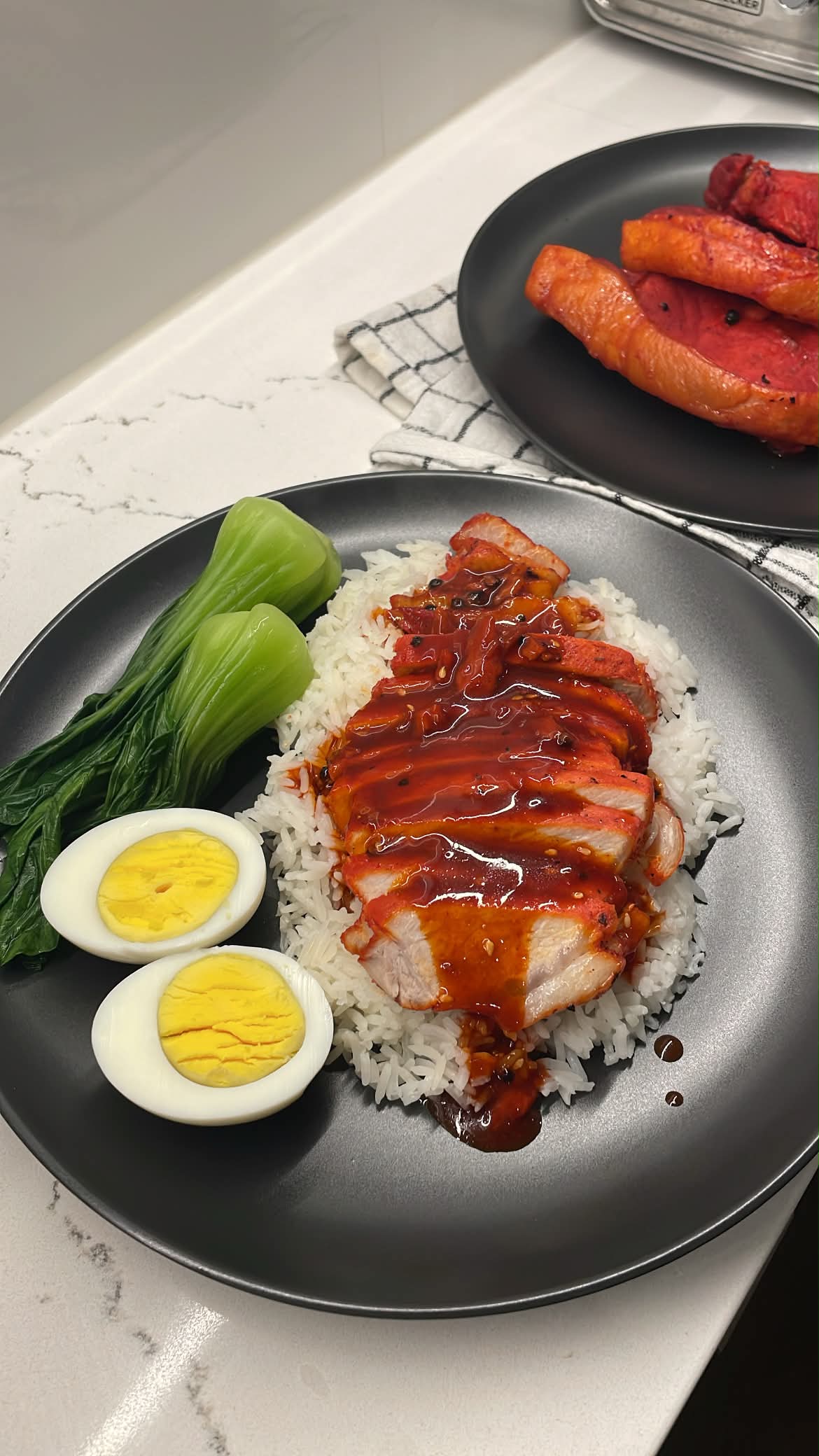
If you enjoy flavorful chicken dinners with a balance of sweetness, spice, and savory richness, this Sweet and Spicy Korean Glazed Chicken Rice Bowl is a delicious meal to add to your recipe collection. It features tender chicken breast coated in a glossy Korean-inspired garlic glaze, served over fluffy steamed rice with fresh bok choy and perfectly boiled eggs.
The homemade sauce combines gochujang, honey, soy sauce, garlic, ginger, and rice vinegar to create a delicious balance of bold flavors. The gochujang brings gentle heat and depth, while honey and brown sugar add sweetness and help the sauce develop its shiny, caramelized finish.
Fresh bok choy adds a tender vegetable element, and the boiled eggs make each bowl even more satisfying. Whether you’re preparing a quick weeknight dinner or planning a flavorful homemade lunch, this Korean-inspired rice bowl is a wonderful choice.
Origin
This recipe is inspired by Korean flavors and ingredients, particularly gochujang, a fermented Korean chili paste commonly used in sauces, marinades, stews, and other dishes.
Korean cooking frequently combines savory, sweet, spicy, and fermented flavors. Ingredients such as garlic, ginger, soy sauce, sesame oil, and gochujang are often used to build layers of flavor in marinades and sauces.
Rice is also an important part of Korean meals, commonly served alongside vegetables and protein-rich dishes. This particular chicken rice bowl is a modern, Korean-inspired combination rather than a traditional Korean dish. It brings familiar Korean ingredients together in a convenient one-bowl meal.
Cultural Significance
Rice plays an important role in Korean food culture and is commonly served as a foundation for everyday meals. It pairs naturally with seasoned vegetables, meat, eggs, and flavorful sauces.
Gochujang is another recognizable part of Korean cuisine. Its deep, fermented flavor and distinctive heat make it a versatile ingredient for creating rich marinades and glazes.
This recipe takes inspiration from those familiar flavors and presents them in a convenient rice bowl. The combination of glazed chicken, steamed rice, greens, and eggs reflects the appeal of balanced meals that bring several textures and flavors together.
Ingredients and Quantities
For the Chicken
- 2 large boneless, skinless chicken breasts
- 1 tablespoon olive oil
- 1 tablespoon soy sauce
- 1 teaspoon garlic powder
- 1/2 teaspoon smoked paprika
- 1/2 teaspoon black pepper
- 1/2 teaspoon salt
- 1/2 teaspoon onion powder
For the Sweet and Spicy Glaze
- 3 tablespoons gochujang (Korean chili paste)
- 2 tablespoons honey
- 2 tablespoons soy sauce
- 1 tablespoon brown sugar
- 3 garlic cloves, minced
- 1 tablespoon rice vinegar
- 1 teaspoon sesame oil
- 1/4 cup water
- 1 teaspoon freshly grated ginger
- 1 teaspoon sesame seeds
For the Rice and Vegetables
- 2 cups uncooked jasmine or long-grain white rice
- 4 cups water
- 2 heads baby bok choy, halved
- 1 teaspoon sesame oil
- 1 garlic clove, minced
- Salt, to taste
For Serving
- 2 large eggs
- 2 tablespoons chopped green onions
- 1 teaspoon sesame seeds
- Extra Korean glaze, for drizzling
Optional Additions
You can customize these bowls with additional ingredients while keeping the sweet and spicy flavor combination.
- Shredded carrots: Add freshness, color, and a little natural sweetness.
- Cucumber slices: Provide a cool, refreshing contrast to the warm glazed chicken.
- Edamame: Add extra plant-based protein and a pleasant texture.
- Steamed broccoli: Makes the bowls more vegetable-rich and adds a satisfying bite.
- Kimchi: Offers a tangy, fermented side that complements the sweet and spicy glaze.
- Chili flakes: Add extra heat if you enjoy a spicier sauce.
- Avocado: Creates a creamy contrast to the bold garlic and gochujang flavors.
Tips for Success
Choose chicken breasts of similar thickness. This helps them cook more evenly. If one breast is significantly thicker, gently flatten the thickest section to create a more uniform shape.
Avoid overcooking the chicken. Chicken breast can become dry if cooked for too long. Use a food thermometer and remove the chicken from the heat once its thickest part reaches 165°F.
Adjust the glaze to your taste. Gochujang brands vary in sweetness and heat. Start with the listed quantity, then adjust the sweetness or spice level in future batches to suit your preference.
Simmer the sauce gently. Once the glaze is added to the chicken, keep the heat low. A gentle simmer allows it to thicken without burning the honey and brown sugar.
Let the chicken rest before slicing. Resting for approximately 5 minutes helps the juices redistribute, keeping the slices moist.
Rinse the rice before cooking. This removes excess surface starch and helps produce fluffy, separate grains.
Keep the bok choy bright green. Cook it just until tender. Overcooking can make the leaves too soft and reduce their fresh texture.
Prepare the eggs ahead of time. Boiled eggs can be cooked, cooled, peeled, and refrigerated before assembling the bowls.
Instructions
1. Prepare the Rice
Place the rice in a fine-mesh strainer and rinse under cold running water until the water becomes mostly clear.
Transfer the rinsed rice to a saucepan and add the 4 cups of water. Bring to a boil, then reduce the heat to low and cover.
Simmer for 15 to 18 minutes, or until the rice is tender and the water has been absorbed. Remove the saucepan from the heat and let the rice rest, covered, for 5 minutes.
Fluff gently with a fork before serving.
2. Season the Chicken
Pat the chicken breasts dry with paper towels.
Place them in a bowl and add the olive oil, soy sauce, garlic powder, smoked paprika, onion powder, salt, and black pepper.
Rub the seasoning over both sides of the chicken until evenly coated. Allow the chicken to marinate for 15 to 20 minutes in the refrigerator.
3. Prepare the Korean Glaze
In a small mixing bowl, combine the gochujang, honey, soy sauce, brown sugar, minced garlic, rice vinegar, sesame oil, grated ginger, and water.
Whisk until the ingredients form a smooth, evenly blended sauce.
Set aside until the chicken is ready to be glazed.
4. Cook the Chicken
Heat a skillet or grill pan over medium heat. Add the seasoned chicken breasts and cook for approximately 6 to 8 minutes per side, depending on their thickness.
Turn the chicken as needed to encourage even browning. Check the thickest part with a food thermometer and make sure it reaches an internal temperature of 165°F.
Transfer the cooked chicken to a clean plate.
5. Glaze the Chicken
Reduce the skillet heat to low. Pour the prepared Korean glaze into the pan around the chicken.
Turn the chicken several times to coat it evenly. Allow the sauce to simmer gently for 2 to 3 minutes, until it becomes thicker and glossy.
Avoid letting the sauce boil too vigorously, as the honey and brown sugar can burn.
Remove the chicken from the heat and let it rest for approximately 5 minutes before slicing.
6. Prepare the Boiled Eggs
Place the eggs in a saucepan and cover them with cold water.
Bring the water to a boil, then cook the eggs for approximately 9 to 10 minutes for fully set yolks.
Transfer the eggs to an ice bath and allow them to cool. Once chilled, peel carefully and cut each egg in half.
7. Cook the Bok Choy
Heat the sesame oil in a skillet over medium heat. Add the minced garlic and cook for approximately 30 seconds, stirring to prevent it from burning.
Place the halved bok choy cut-side down in the skillet. Cook for 2 to 3 minutes until the cut surfaces begin to brown lightly.
Add a small splash of water, cover the skillet, and steam for another 2 minutes, or until the bok choy is tender but still bright green.
Season lightly with salt.
8. Slice the Chicken
Transfer the rested chicken to a clean cutting board.
Slice each breast into thick strips using a sharp knife. Arrange the slices on a plate and spoon some of the warm glaze over them.
This adds another layer of flavor and gives the chicken an attractive glossy finish.
9. Assemble the Rice Bowls
Divide the cooked rice evenly between two serving bowls.
Arrange the sliced glazed chicken over the rice, allowing some of the sauce to drizzle naturally over the grains.
10. Add the Vegetables and Eggs
Place the sautéed bok choy alongside the chicken.
Arrange the boiled egg halves on the opposite side of each bowl. Keep the ingredients slightly separated to create an attractive presentation.
11. Garnish and Serve
Finish each bowl with chopped green onions and sesame seeds.
Drizzle with a little extra Korean glaze, if desired. Serve immediately while the chicken is warm, the rice is fluffy, and the vegetables are tender.
Description
This Sweet and Spicy Korean Glazed Chicken Rice Bowl combines tender chicken, fluffy rice, fresh vegetables, and a rich homemade sauce in one satisfying meal.
The chicken is seasoned with garlic, paprika, onion, and soy sauce before being coated in a glossy gochujang glaze. Honey and brown sugar provide sweetness, while garlic, ginger, and rice vinegar create a savory and slightly tangy flavor.
The bok choy adds freshness and a delicate crunch, while the boiled eggs contribute a creamy texture and extra protein. Sesame seeds and green onions finish the bowls with a little crunch and freshness.
Every spoonful brings together sweet, spicy, savory, and fresh elements, making this recipe a delicious alternative to an ordinary chicken and rice dinner.
Nutritional Information
The following nutritional values are approximate estimates per serving, based on two servings and the listed ingredients. Actual values may vary depending on the size of the chicken breasts, the rice portions, and the specific brands of gochujang, soy sauce, and other ingredients.
- Calories: Approximately 680 per serving
- Protein: Approximately 48 g per serving
- Carbohydrates: Primarily from rice, honey, brown sugar, and vegetables
- Fat: Primarily from chicken, olive oil, sesame oil, and eggs
For a different balance, you can adjust the rice portion, add more bok choy, or include extra vegetables such as broccoli and carrots.
Storage and Food Safety
Store leftover chicken, rice, bok choy, and boiled eggs in separate airtight containers in the refrigerator. Refrigerate perishable food within 2 hours of cooking, or within 1 hour if the surrounding temperature is above 90°F.
Cooked chicken and rice should generally be consumed within 3 to 4 days when properly refrigerated. Keep the boiled eggs refrigerated as well and use them within 3 to 4 days.
Reheat the chicken, rice, and vegetables until they reach 165°F. Add a small splash of water to the rice before reheating to help restore moisture. Keep the boiled eggs refrigerated if serving them cold.
If you have leftover glaze that has come into contact with raw chicken or its juices, do not use it as a finishing sauce unless it is thoroughly cooked. It is best to reserve a separate portion of clean glaze for serving.
Conclusion
This Sweet and Spicy Korean Glazed Chicken Rice Bowl is a flavorful homemade dinner that brings together tender chicken, fluffy rice, fresh greens, and a delicious garlic-chili sauce.
The homemade glaze is the highlight of the recipe, combining the distinctive flavor of gochujang with honey, ginger, garlic, and soy sauce. The boiled eggs and bok choy complete the meal with additional texture and freshness.
With straightforward ingredients and an easy cooking process, these bowls are a great option for anyone looking to bring Korean-inspired flavors into their everyday cooking.
Recommendation
Serve these bowls immediately after assembling for the best combination of textures. Pair them with a small serving of cucumber salad or kimchi for a refreshing contrast to the rich glaze.
For meal preparation, cook the rice, boil the eggs, and prepare the sauce in advance. Store everything separately in the refrigerator, then cook the chicken and bok choy closer to serving time.
If you are serving guests, arrange the ingredients in separate sections and finish each bowl with extra green onions and sesame seeds for a colorful presentation.
Embracing Healthful Indulgence
A satisfying meal can bring together bold flavors and a variety of ingredients without sacrificing enjoyment. This bowl provides protein from chicken and eggs, energy from rice, and vegetables from bok choy.
You can make the recipe your own by increasing the vegetable portions, adjusting the amount of glaze, or choosing a rice portion that suits your appetite. Using low-sodium soy sauce is another option if you want to reduce the sodium content.
The best part of this recipe is its flexibility. It delivers the comforting appeal of a homemade chicken rice bowl while allowing you to enjoy the sweet, spicy, and savory flavors inspired by Korean cooking.