
1. Introduction
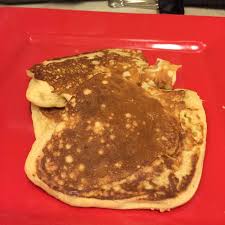
Nothing makes breakfast more inviting than a stack of thick, fluffy homemade pancakes with golden-brown surfaces and slightly crisp, buttery edges.
These classic pancakes are soft and tender inside, with a delicate vanilla aroma and a rich, comforting flavor. Made entirely from scratch using everyday pantry ingredients, they are a delicious alternative to boxed pancake mixes.
The secret to achieving that irresistible fluffy texture is a combination of baking powder, gentle mixing, and properly controlled cooking heat.
Ready in approximately 25–30 minutes, these easy homemade pancakes are perfect for weekend breakfasts, family brunches, or a sweet morning treat.
2. Origin and Cultural Significance
Pancakes have been enjoyed in different forms across cultures for centuries, with variations ranging from thin French crêpes to thicker American-style breakfast pancakes.
American pancakes are especially known for their soft, airy texture, which comes from incorporating chemical leavening agents such as baking powder into the batter.
Traditionally served with butter and maple syrup, fluffy pancakes have become a familiar part of breakfast and brunch menus throughout the United States and beyond.
Today, homemade pancakes remain popular because they require simple ingredients, are easy to customize, and bring a comforting, homemade touch to the breakfast table.
3. Ingredients
Makes approximately 8–10 medium pancakes, serving 4 people.
For the Pancake Batter
- 1½ cups (180 g) all-purpose flour
- 3½ teaspoons baking powder
- 1 tablespoon granulated white sugar
- ½ teaspoon salt
- 1¼ cups (300 ml) milk, at room temperature
- 3 tablespoons (42 g) unsalted butter, melted and slightly cooled
- 1 large egg
- 1 teaspoon vanilla extract (optional)
For Cooking
- 1–2 tablespoons butter or neutral cooking oil, as needed for greasing the skillet
For Serving
- Maple syrup or honey
- Additional butter
- Fresh strawberries, blueberries, or raspberries
- Sliced bananas
- Powdered sugar (optional)
4. Optional Additions
These fluffy homemade pancakes are delicious on their own, but a few simple additions can create exciting variations.
- Chocolate Chips: Sprinkle a few chocolate chips over each pancake before flipping.
- Fresh Blueberries: Add blueberries to the pancakes while the first side cooks.
- Cinnamon: Mix ½ teaspoon ground cinnamon into the dry ingredients for a warm flavor.
- Lemon Zest: Add 1 teaspoon finely grated lemon zest for a refreshing citrus note.
- Banana Slices: Arrange thin banana slices over the uncooked surface of each pancake.
- Chopped Nuts: Add toasted walnuts or pecans for extra crunch.
- Extra Vanilla: Increase the vanilla slightly for a more pronounced aroma.
5. Tips for Success
- Measure the flour correctly: Spoon flour into the measuring cup and level it off instead of packing it down.
- Use fresh baking powder: An effective leavening agent is essential for achieving thick, fluffy pancakes.
- Avoid overmixing: Stir just until no dry flour remains. A few small lumps are perfectly fine.
- Rest the batter: Allow the mixture to sit for 5–10 minutes before cooking.
- Keep the batter thick: It should flow slowly from a spoon without being excessively stiff.
- Control the temperature: Medium to medium-low heat allows the centers to cook without burning the outside.
- Use a small amount of butter: A lightly buttered skillet encourages attractive golden edges.
- Wait before flipping: Turn the pancakes when bubbles appear and the edges begin to look set.
- Flip only once when possible: Repeated flipping can interfere with even cooking.
- Never press the pancakes down: Pressing with a spatula removes air and can make them dense.
6. Instructions
Step 1: Prepare the Dry Ingredients
In a large mixing bowl, combine the all-purpose flour, baking powder, granulated sugar, and salt.
Whisk thoroughly to distribute the baking powder evenly throughout the flour.
For a finer texture, sift the dry ingredients before mixing.
Step 2: Combine the Wet Ingredients
In a separate medium bowl, crack the egg and whisk gently.
Add the milk, melted butter, and optional vanilla extract.
Whisk until the ingredients are evenly combined.
Make sure the melted butter has cooled slightly before adding it so it does not heat the egg.
Step 3: Make the Pancake Batter
Create a small well in the center of the dry ingredients.
Pour the wet mixture into the well.
Using a rubber spatula or wooden spoon, gently fold everything together until the flour is just incorporated.
The batter should look thick, slightly lumpy, and pourable.
Avoid vigorous stirring or whisking until completely smooth, as excessive mixing can produce tougher pancakes.
If the batter is too thick to pour, gently fold in an additional tablespoon of milk at a time.
Step 4: Allow the Batter to Rest
Leave the prepared batter at room temperature for approximately 5–10 minutes.
This short resting period allows the flour to absorb moisture and gives the baking powder time to begin releasing gas.
Small bubbles may appear on the surface.
Avoid stirring the batter vigorously after resting, as this can release some of the trapped air.
Step 5: Preheat the Skillet
Place a nonstick skillet or griddle over medium heat.
Allow the pan to warm evenly for approximately 2 minutes.
Reduce the heat slightly if the skillet becomes excessively hot.
Add a small amount of butter or neutral oil and spread it across the cooking surface.
For golden, lightly crisp edges, leave a thin coating of butter around the area where each pancake will cook.
Step 6: Pour the Batter
Using a ¼-cup measuring cup or small ladle, pour a portion of pancake batter into the center of the skillet.
Let the batter spread naturally into a round shape.
Avoid spreading it too thinly, as thicker pancakes develop a softer, fluffier interior.
Cook only as many pancakes as comfortably fit in the skillet, leaving enough room for flipping.
Step 7: Cook the First Side
Allow the pancake to cook undisturbed for approximately 2–3 minutes.
As it cooks, small bubbles will begin forming across the surface.
The edges should gradually appear firmer and less glossy, while the underside develops a golden-brown color.
If the bottom browns before the upper surface begins setting, reduce the heat.
Step 8: Flip the Pancake
Slide a wide spatula underneath the pancake.
Lift and flip it gently in one smooth motion.
Cook the second side for approximately 1–2 minutes, or until golden brown.
The pancake should feel lightly springy when touched, with no wet batter remaining in the center.
Step 9: Continue Cooking
Transfer the finished pancake to a serving plate.
Repeat the process with the remaining batter, adding a small amount of butter or oil when necessary.
Adjust the heat between batches to prevent the skillet from becoming too hot.
If cooking several batches, keep the finished pancakes warm on a baking sheet in an oven set to approximately 200°F (95°C).
Step 10: Serve the Pancakes
Arrange the warm pancakes in a stack on individual plates.
Add a small pat of butter and drizzle with maple syrup or honey.
Finish with fresh berries, sliced bananas, or a light dusting of powdered sugar.
Serve immediately for the best contrast between fluffy centers and golden, buttery edges.
7. Description
These thick homemade pancakes feature beautifully golden-brown surfaces, gently irregular edges, and a wonderfully soft interior.
Each pancake has a light, airy texture with a delicate buttery flavor and just enough sweetness to complement a variety of toppings.
The slightly crisp exterior provides a pleasant contrast to the tender center, while the optional vanilla adds a warm, inviting aroma.
Whether served with classic maple syrup or colorful fresh fruit, these pancakes create a comforting breakfast that feels special without requiring complicated ingredients or techniques.
8. Nutritional Information
The following values are approximate estimates per serving, based on four servings without additional cooking butter or optional toppings.
| Nutrient | Estimated Amount |
|---|---|
| Calories | 300–340 kcal |
| Protein | 8–10 g |
| Carbohydrates | 39–44 g |
| Total Fat | 11–14 g |
| Saturated Fat | 6–8 g |
| Fiber | 1–2 g |
| Sugars | 7–10 g |
| Sodium | 550–750 mg |
Actual values depend on the milk used, pancake size, ingredient brands, and amount of butter absorbed during cooking. Syrup, chocolate chips, and other toppings will increase the nutritional totals.
9. Recipe Details
- Prep Time: 10 minutes
- Resting Time: 5–10 minutes
- Cooking Time: 10–15 minutes
- Total Time: Approximately 25–30 minutes
- Servings: 4
- Yield: Approximately 8–10 medium pancakes
- Cuisine: American-inspired
- Course: Breakfast, brunch
- Difficulty: Easy
- Cooking Method: Stovetop, skillet, or griddle
- Equipment: Large mixing bowl, medium bowl, whisk, rubber spatula, measuring cups, nonstick skillet, and wide spatula
10. Conclusion
These thick and fluffy homemade pancakes prove that a delicious breakfast doesn’t require a boxed mix or complicated preparation.
With a handful of everyday ingredients and a few simple techniques, you can prepare pancakes with golden, buttery edges and beautifully tender centers.
The combination of fresh baking powder, gentle mixing, and moderate cooking heat helps create the light texture that makes homemade pancakes so satisfying.
Perfect for family breakfasts, relaxed weekend mornings, or special brunch gatherings, this versatile recipe can be enjoyed with countless sweet toppings and flavor combinations.
11. Recommendation
Serving: Enjoy the pancakes immediately while warm, topped with butter, maple syrup, honey, or fresh fruit.
Make-Ahead: Combine the dry ingredients in advance and store them in an airtight container. Add the wet ingredients shortly before cooking for the best rise.
Storage: Allow cooked pancakes to cool, then refrigerate in an airtight container for up to 3–4 days.
Freezing: Place cooled pancakes between sheets of parchment paper and store in a freezer-safe container for up to 2 months for best quality.
Reheating: Warm pancakes in a covered skillet over low heat, in a microwave, or in a 350°F (175°C) oven until heated thoroughly.
Variation: Add blueberries, chocolate chips, cinnamon, or mashed banana for different flavors.
Dairy-Free Option: Substitute suitable plant-based milk and dairy-free butter. The texture and flavor may change slightly.
Serving Idea: Pair the pancakes with fresh berries, Greek yogurt, or scrambled eggs for a more varied breakfast.
12. Embracing Healthful Indulgence
Homemade pancakes can be part of a balanced breakfast when enjoyed in suitable portions and paired with nutritious accompaniments.
The flour provides carbohydrates, while the milk and egg contribute protein and other essential nutrients.
Butter adds richness and flavor, although it also contributes saturated fat.
For a more balanced meal, consider serving the pancakes with fresh fruit, plain Greek yogurt, or an additional protein source.
You can also experiment with replacing a portion of the all-purpose flour with whole-wheat flour to increase fiber, although this may produce a slightly denser texture.
Using modest amounts of syrup and choosing fruit-based toppings can help manage added sugar.
With their fluffy texture, inviting aroma, and irresistible golden edges, these homemade pancakes offer a delicious way to enjoy a comforting breakfast made from simple ingredients.