
1. Introduction
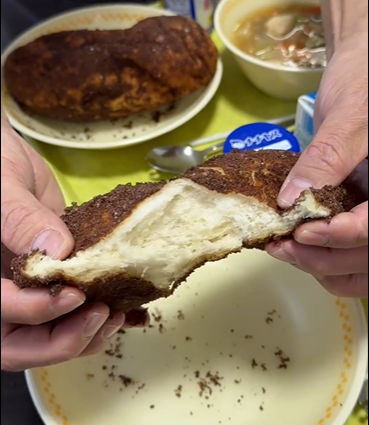
Traditional Golden-Brown Fried Bread is a delicious homemade bread characterized by its beautifully browned, slightly crispy exterior and soft, airy, fluffy interior. As shown in the photograph, the bread has a rich brown crust that contrasts with its light, tender center when pulled apart.
This bread is a comforting and satisfying food that can be enjoyed for breakfast, lunch, or dinner. Its simple ingredients and distinctive texture make it an excellent accompaniment to soups, stews, sauces, and hot beverages.
The recipe below describes a yeast-raised fried bread inspired by the appearance of the bread in the photograph.
2. Origin
Fried bread has a long history across different culinary traditions around the world. Many cultures developed their own versions using basic ingredients such as flour, yeast, salt, water, and cooking oil.
Different variations can be found in:
- North African cuisine, where traditional homemade breads accompany soups and stews.
- Middle Eastern cuisine, where fried and pan-cooked breads are served with savory dishes.
- South African cuisine, particularly vetkoek, a deep-fried bread with a soft interior.
- European cuisine, where yeast-raised fried dough has been enjoyed in different regional forms.
The exact regional identity of the bread in the photograph cannot be confirmed from its appearance alone.
3. Cultural Significance
Fried bread represents the importance of homemade baking and traditional food preparation in many communities.
It is particularly appreciated because it uses affordable, accessible ingredients while producing a filling and flavorful meal.
- Family traditions: Bread preparation often brings families together through shared cooking techniques.
- Hospitality: Freshly prepared bread is commonly served to guests alongside warm meals.
- Cultural identity: Different communities have developed distinctive bread recipes and preparation methods.
- Everyday nourishment: Fried bread provides an affordable and satisfying accompaniment to soups, vegetables, and stews.
- Traditional cooking: Preparing bread from scratch preserves culinary knowledge passed between generations.
4. Ingredients and Quantity
Estimated recipe for 4 medium-sized pieces of fried bread.
Köy usulü pişi tarifi: dışı çıtır, içi pamuk gibi kahvaltılık
| Ingredient | Quantity |
|---|---|
| All-purpose wheat flour | 500 g |
| Warm water | 300–330 ml |
| Instant dry yeast | 7 g |
| Sugar | 1 tablespoon |
| Salt | 1 teaspoon |
| Vegetable oil (for dough) | 2 tablespoons |
| Vegetable oil (for frying) | 750 ml–1 litre |
Optional ingredients:
- 2 tablespoons milk powder for a softer texture.
- 1 tablespoon butter for additional richness.
- ½ teaspoon garlic powder for a savory flavor.
5. Optional Additions
This bread can be adapted with different ingredients depending on the desired flavor.
- Sesame seeds: Add a nutty flavor and attractive appearance.
- Black sesame seeds: Provide a distinctive visual finish.
- Fresh herbs: Incorporate chopped parsley or coriander.
- Garlic: Add minced garlic or garlic powder for a savory variation.
- Cheese: Incorporate grated cheese into the dough.
- Nigella seeds: Introduce a traditional aromatic flavor.
- Honey: Serve with a small amount of honey for a sweet variation.
- Spices: Add cumin, paprika, or black pepper for additional flavor.
6. Tips for Success
- Use fresh yeast: Ensure the yeast is active to achieve a light and fluffy interior.
- Measure the water carefully: Add it gradually to obtain a soft, slightly elastic dough.
- Knead properly: Kneading develops gluten, which helps create a soft and structured interior.
- Allow sufficient rising time: Proper fermentation produces a lighter texture.
- Avoid excessively high frying temperatures: The exterior may brown before the center cooks.
- Maintain consistent oil temperature: Aim for approximately 170–175°C.
- Do not overcrowd the frying pan: Frying too many pieces together lowers the oil temperature.
- Drain excess oil: Place the cooked bread on a wire rack or absorbent kitchen paper.
- Serve warm: The bread is especially enjoyable when freshly prepared.
7. Instructions
Skanus, gražus ir smagus valgyti mielinis kepinys – „Beždžionėlių duona“ | Gyvenimas | 15min.lt
Posne piroške za 5 minuta: Najbrži recept sa kvasnim testom koje se odmah prži – Žena.rs
7
Step 1: Prepare the yeast mixture
Combine warm water, sugar, and instant yeast in a bowl. Allow the mixture to stand for approximately 5–10 minutes if using active dry yeast.
Step 2: Mix the ingredients
In a large mixing bowl, combine flour and salt. Add the yeast mixture and vegetable oil gradually.
Step 3: Knead the dough
Knead for approximately 8–10 minutes until the dough becomes smooth, elastic, and soft.
Step 4: Allow the dough to rise
Cover the bowl with a clean kitchen towel and leave the dough in a warm place for approximately 60–90 minutes, or until doubled in size.
Step 5: Shape the bread
Transfer the dough onto a lightly floured surface. Divide it into four equal portions and shape each into an oval or elongated round form.
Step 6: Allow a second rise
Cover the shaped portions and allow them to rest for another 20–30 minutes.
Step 7: Heat the cooking oil
Pour vegetable oil into a deep frying pan or pot. Heat to approximately 170–175°C.
Step 8: Fry the bread
Carefully place one piece of dough into the hot oil. Fry, turning occasionally, until both sides become deeply golden brown and the bread is cooked through.
Step 9: Drain the excess oil
Remove the bread and place it on a wire rack or paper towels.
Step 10: Serve
Allow the bread to cool slightly before tearing it open. Serve warm to appreciate its contrast between the browned exterior and fluffy interior.
8. Description
The bread displayed in the photograph has an attractive dark golden-brown exterior and a soft, pale interior.
When pulled apart, the inside reveals a tender, airy structure with a slightly fibrous texture. The outer crust appears firm and crisp, while the center remains soft and moist.
Its visual appeal comes from the contrast between the deeply browned surface and the light-colored interior.
Texture and flavor profile:
- Exterior: Crispy, firm, and richly browned.
- Interior: Soft, fluffy, and tender.
- Flavor: Mildly savory with a pleasant wheat aroma.
- Aroma: Freshly baked dough with a characteristic fried-bread fragrance.
- Appearance: Rustic, elongated, and generously textured.
The bread is particularly suitable for dipping into warm soup or enjoying alongside savory dishes.
9. Nutritional Information
Estimated nutrition
The following nutritional values are approximate and depend on the size of each portion and the amount of oil absorbed during frying.
| Nutritional component | Per serving |
|---|---|
| Calories | 350–450 kcal |
| Protein | 8–11 g |
| Carbohydrates | 55–65 g |
| Total fat | 10–18 g |
| Saturated fat | 2–3 g |
| Dietary fiber | 2–3 g |
| Sugar | 2–4 g |
| Sodium | 350–500 mg |
Health considerations:
- Wheat flour provides carbohydrates that supply energy.
- Yeast contributes to the fermentation process and improves bread texture.
- Vegetable oil contributes dietary fat and increases the calorie content.
- Homemade preparation allows better control over salt, ingredients, and frying conditions.
For a lighter alternative, consider shallow-frying with less oil or baking the shaped dough instead.
10. Conclusion
Traditional Golden-Brown Fried Bread is a satisfying and versatile homemade dish that combines a beautifully browned crust with a soft, fluffy interior.
Its simple ingredients, distinctive texture, and adaptability make it suitable for different meals and occasions.
Whether served alongside a bowl of warm soup, a savory stew, or enjoyed on its own, this bread offers a comforting culinary experience.
11. Recommendation
I recommend serving this bread freshly fried and slightly warm for the best texture and flavor.
Excellent accompaniments include:
- Moroccan harira soup.
- Lentil soup.
- Vegetable soup.
- Spicy tomato sauce.
- Chicken or beef stew.
- Olive oil and honey.
- Fresh cheese and olives.
For a complete meal, pair one serving of bread with vegetable-rich soup and a source of lean protein.
12. Embracing Healthful Indulgence
Enjoying traditional fried bread can be part of a balanced and varied diet when portions and preparation methods are considered.
Although fried bread is a delicious comfort food, its oil absorption can increase its energy and fat content. Using fresh ingredients, controlling the frying temperature, and avoiding excessive oil absorption can improve the final result.
Consider pairing it with nutritious soups, fresh vegetables, legumes, and lean protein to create a more balanced meal.
The beauty of traditional homemade bread lies in its simplicity, comforting aroma, and ability to bring people together around the table.
Recommendation: Preserve the traditional soft and fluffy texture while experimenting with whole-wheat flour, reduced-oil cooking methods, and nutritious accompaniments for a more health-conscious version.