
Prep Time: 20 minutes Marinating Time: 30 minutes–2 hours Cook Time: 20–25 minutes Total Time: Approximately 1 hour 15 minutes Yield: 3 lbs of chicken wings Servings: 4–6 Difficulty: Intermediate Category: Southern Cuisine, Fried Chicken, Main Course, Comfort Food
1. Introduction
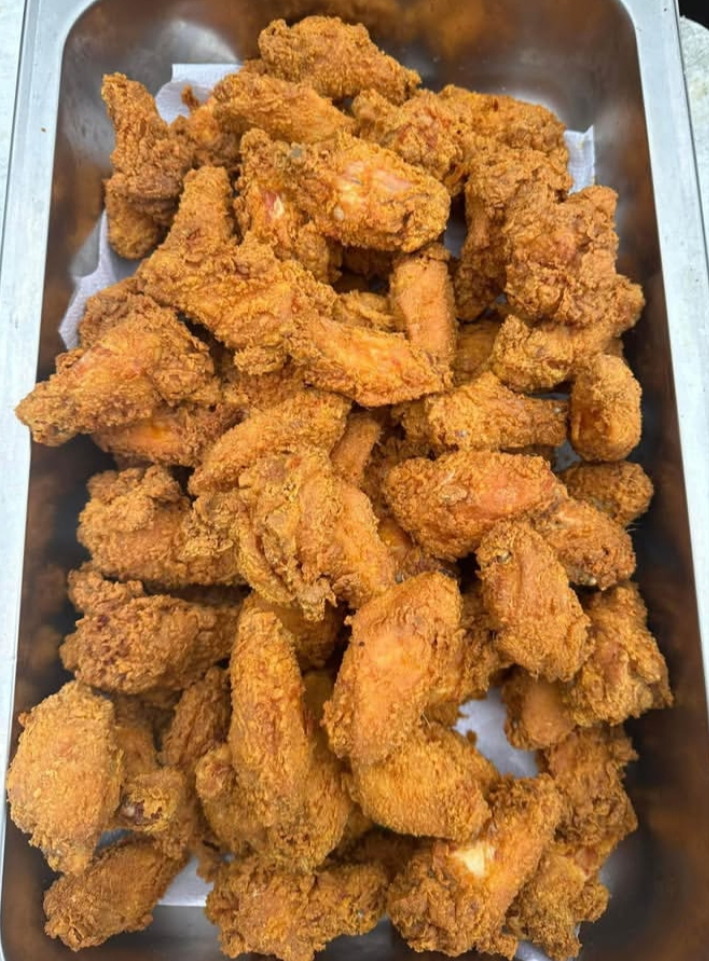
Southern-Style Extra-Crispy Fried Chicken Wings are an irresistible comfort-food classic featuring juicy, tender chicken surrounded by an exceptionally crunchy, golden-brown crust.
Inspired by traditional American Southern fried chicken techniques, this recipe combines a flavorful hot sauce marinade with a specially prepared flour coating designed to produce an extra-crispy, craggy exterior.
The secret to achieving the distinctive crunchy texture is the combination of all-purpose flour, cornstarch, and baking powder. Cornstarch helps reduce moisture in the coating and encourages crispness, while baking powder contributes to a lighter, textured crust.
Before frying, the chicken wings are marinated in hot sauce, garlic powder, onion powder, smoked paprika, salt, and black pepper. This seasoning mixture penetrates the surface of the chicken, creating a flavorful foundation that complements the crispy exterior.
Each wing is then thoroughly coated in seasoned flour and cornstarch before resting briefly. This resting period allows the coating to adhere properly, reducing the likelihood of it separating during frying.
The wings are deep-fried until beautifully golden, with a crunchy exterior and juicy interior.
Perfect for game-day gatherings, family dinners, weekend meals, parties, or casual entertaining, these homemade Southern fried chicken wings deliver restaurant-style crunch using simple ingredients and straightforward techniques.
2. Origin and Cultural Significance
Southern fried chicken has a long and complex culinary history, influenced by African, Scottish, and other European cooking traditions.
Frying chicken in fat was practiced in different parts of the world before becoming particularly associated with the American South.
Scottish immigrants brought traditions of frying chicken in fat, while West African culinary traditions contributed important knowledge and techniques involving seasoning, frying, and preparing poultry.
Enslaved African Americans played a fundamental role in developing and shaping Southern fried chicken traditions. Their culinary knowledge, seasoning techniques, and cooking practices helped establish fried chicken as one of the most recognizable dishes in American Southern cuisine.
During the nineteenth and twentieth centuries, fried chicken became increasingly popular throughout the Southern United States.
Chicken was relatively accessible, and frying provided a practical way to prepare flavorful meals for families and gatherings.
Over time, Southern fried chicken developed numerous regional variations, including different seasoning blends, flour coatings, buttermilk marinades, and frying methods.
Chicken wings later became particularly popular as an appetizer and party food.
Buffalo-style chicken wings, associated with Buffalo, New York, became widely recognized during the 1960s. Their popularity helped establish chicken wings as a major feature of American sports bars, restaurants, and casual dining culture.
Southern-style fried wings differ from Buffalo wings because they emphasize the seasoned, crunchy fried coating rather than relying primarily on a post-frying hot sauce coating.
Modern preparations often incorporate cornstarch, baking powder, and multiple seasoning layers to achieve an exceptionally textured crust.
Today, crispy Southern fried chicken wings remain a favorite across American restaurants and home kitchens, celebrated for their bold seasoning, crunchy exterior, and satisfying flavor.
3. Ingredients and Quantities
A. For the Chicken and Hot Sauce Marinade
| Ingredient | Quantity |
|---|---|
| Chicken wings, separated into flats and drumettes | 3 lbs (1.36 kg) |
| Hot sauce (Louisiana or Crystal-style) | ½ cup (120 ml) |
| Kosher salt | 1 tablespoon |
| Garlic powder | 1 tablespoon |
| Onion powder | 1 tablespoon |
| Smoked paprika | 1 teaspoon |
| Ground black pepper | 1 teaspoon |
Why Use Chicken Wings?
Chicken wings contain a combination of skin, meat, and connective tissue that creates an excellent balance between crispy exterior and juicy interior when fried properly.
Separating the wings into flats and drumettes also makes them easier to coat, fry, and serve.
Why Use Hot Sauce?
Hot sauce introduces acidity, mild heat, and flavor to the marinade. It also helps distribute the seasonings evenly over the chicken.
Why Use Garlic and Onion Powder?
These seasonings contribute savory depth and create the characteristic flavor associated with Southern fried chicken.
Why Add Smoked Paprika?
Smoked paprika provides a subtle smoky flavor and enhances the warm golden-red color of the finished wings.
Why Use Black Pepper?
Freshly ground black pepper adds mild heat and aromatic complexity.
B. For the Extra-Crispy Flour Dredge
| Ingredient | Quantity |
|---|---|
| All-purpose flour | 2 cups (250 g) |
| Cornstarch | ½ cup (approximately 60 g) |
| Baking powder | 1 teaspoon |
| Seasoned salt or Cajun seasoning | 1 tablespoon |
| Garlic powder | 1 teaspoon |
| Onion powder | 1 teaspoon |
Why Combine Flour and Cornstarch?
All-purpose flour creates the main structure of the crust, while cornstarch helps produce a lighter, crispier coating.
This combination encourages the characteristic crunchy texture associated with restaurant-style fried chicken.
Why Add Baking Powder?
Baking powder helps create a lighter, more textured coating by encouraging small irregularities in the crust during frying.
Why Use Seasoned Salt or Cajun Seasoning?
These seasonings add additional savory flavor to the outer coating, ensuring that the crust is flavorful rather than simply crispy.
C. For Deep Frying
| Ingredient | Quantity |
|---|---|
| Vegetable oil, canola oil, or peanut oil | Approximately 1 quart (946 ml), or enough for a 2–3-inch depth in the frying pot |
Why Use Neutral Oil?
Neutral oils have relatively high smoke points and do not overpower the natural flavor of the chicken.
Vegetable, canola, and peanut oils are suitable options for deep frying.
D. Recommended Equipment
- Large heavy-bottomed pot or Dutch oven
- Deep-frying thermometer
- Large mixing bowls
- Wire cooling rack
- Baking sheet
- Kitchen tongs
- Whisk
- Measuring cups and spoons
- Paper towels
- Meat thermometer
4. Optional Additions
These chicken wings can be customized with additional ingredients to create different flavor profiles while maintaining their characteristic crispy coating.
Cayenne Pepper: Add ½ teaspoon to the flour mixture for additional heat.
White Pepper: Incorporate ½ teaspoon for a more pronounced peppery flavor.
Cajun Seasoning: Replace the seasoned salt with 1 tablespoon of Cajun seasoning for a bolder Southern-inspired taste.
Dried Oregano: Add ½ teaspoon for a subtle herbal flavor.
Dried Thyme: Include ½ teaspoon to introduce additional aromatic depth.
Mustard Powder: Add ½ teaspoon to the dredge for a slightly tangy, savory flavor.
Brown Sugar: Add 1 teaspoon to the marinade for a subtle sweetness that balances the hot sauce.
Lemon Zest: Incorporate ½ teaspoon into the marinade for a refreshing citrus aroma.
Buttermilk: Replace part of the hot sauce with ½ cup of buttermilk for a milder, tangier marinade and a different coating texture.
Honey: Drizzle 1–2 tablespoons of honey over the freshly fried wings for a sweet and spicy variation.
Garlic Butter: Toss the cooked wings lightly in melted garlic butter for additional richness.
Parmesan Cheese: Sprinkle freshly grated Parmesan over the hot wings for a savory finishing touch.
Hot Honey Sauce: Combine honey, hot sauce, and a little melted butter to create a sweet and spicy glaze.
Ranch Seasoning: Add a small amount of ranch seasoning to the flour coating for a creamy, herb-inspired flavor.
5. Tips for Success
Dry the chicken before marinating. Patting the wings with paper towels removes excess surface moisture and helps the marinade adhere more evenly.
Marinate sufficiently. Allow the chicken to rest in the refrigerator for at least 30 minutes. Longer marinating develops a more pronounced flavor.
Use cornstarch for extra crunch. The combination of flour and cornstarch creates a lighter, crispier coating than flour alone.
Mix the dredge thoroughly. Ensure the baking powder and seasonings are evenly distributed throughout the flour mixture.
Coat every surface. Press the flour mixture firmly around the wings to create an even coating.
Create a textured crust. Gently press the dredge onto the chicken and allow small irregular flour clusters to remain attached.
Rest the coated chicken. Allow the dredged wings to rest on a wire rack for approximately 10–15 minutes before frying. This helps the coating adhere.
Maintain the correct oil temperature. Keep the frying oil around 350°F (175°C). Excessively low temperatures can produce greasy wings, while excessive heat can burn the coating before the meat cooks through.
Avoid overcrowding the pot. Fry in small batches to prevent the oil temperature from dropping suddenly.
Use a thermometer. Check the thickest part of the chicken to ensure it reaches at least 165°F (74°C), without touching the bone.
Drain on a wire rack. This allows excess oil to drip away while preserving the crispy underside.
Season immediately after frying. A light sprinkle of seasoned salt while the wings are still hot helps the seasoning adhere.
Serve freshly fried. The crust is at its best immediately after cooking.
6. Step-by-Step Instructions
Step 1: Prepare the Chicken Wings
Place the chicken wings on a clean cutting board.
If the wings are whole, separate them into flats and drumettes.
To do this, locate the joints between the three sections of each wing.
Using a sharp knife, carefully cut through the joints to separate the drumette, flat, and wingtip.
Discard the tips or reserve them for making chicken stock.
Transfer the flats and drumettes into a large mixing bowl.
Pat the chicken dry using paper towels.
Removing excess surface moisture helps the marinade and coating adhere properly.
Step 2: Prepare the Hot Sauce Marinade
In a separate bowl, combine:
- ½ cup hot sauce
- 1 tablespoon kosher salt
- 1 tablespoon garlic powder
- 1 tablespoon onion powder
- 1 teaspoon smoked paprika
- 1 teaspoon black pepper
Whisk thoroughly until the seasonings are evenly distributed.
The mixture should have a smooth, seasoned consistency.
Step 3: Marinate the Chicken
Pour the prepared marinade over the chicken wings.
Using clean hands or kitchen tongs, toss the wings thoroughly.
Make sure every piece is coated with the hot sauce mixture.
Cover the bowl with plastic wrap or transfer the chicken into a sealed food-safe container.
Place it in the refrigerator for at least 30 minutes.
For a deeper flavor, marinate for approximately 1–2 hours.
Avoid leaving raw chicken at room temperature during the marinating process.
Step 4: Prepare the Seasoned Flour Mixture
While the chicken marinates, prepare the dredging mixture.
In a large shallow bowl, combine:
- 2 cups all-purpose flour
- ½ cup cornstarch
- 1 teaspoon baking powder
- 1 tablespoon seasoned salt or Cajun seasoning
- 1 teaspoon garlic powder
- 1 teaspoon onion powder
Whisk thoroughly until all ingredients are evenly combined.
Break up any lumps using the back of a spoon.
The finished mixture should have a uniform pale color with visible seasoning throughout.
Step 5: Coat the Chicken Wings
Remove the marinated chicken from the refrigerator.
Working with a few pieces at a time, transfer the wings into the seasoned flour mixture.
Press each piece gently into the flour, turning it several times.
Ensure that the entire surface, including the folds and edges, is coated.
Gently press the flour mixture against the chicken to encourage a thicker crust.
Shake off only the excess loose flour.
Transfer the coated wings to a clean wire rack.
Repeat until all the chicken pieces have been dredged.
Step 6: Create the Signature Craggy Texture
For an especially textured crust, gently press additional flour mixture onto any areas that appear thinly coated.
Allow some small irregular flour clusters to remain attached to the wings.
These uneven flour formations create the characteristic rough, crunchy appearance after frying.
Avoid smoothing the coating excessively.
The irregular texture is an important feature of this Southern-style preparation.
Step 7: Rest the Dredged Chicken
Arrange the coated wings in a single layer on the wire rack.
Allow them to rest for approximately 10–15 minutes.
During this time, the moisture from the marinade begins hydrating the flour coating.
This helps the coating adhere more securely and reduces the likelihood of it separating during frying.
Keep the chicken refrigerated if the resting period will extend beyond a short preparation interval.
Step 8: Heat the Frying Oil
Pour the vegetable, canola, or peanut oil into a large heavy-bottomed pot or Dutch oven.
Use enough oil to create approximately 2–3 inches of depth, while ensuring that the pot is never more than halfway full.
Place the pot over medium-high heat.
Attach a deep-frying thermometer to the side of the pot.
Heat the oil until it reaches approximately 350°F (175°C).
Maintain this temperature throughout frying.
Avoid overheating the oil or leaving it unattended.
Step 9: Fry the First Batch
Carefully lower a small batch of coated chicken wings into the hot oil using kitchen tongs.
Do not drop the wings into the pot, as this can cause dangerous splashing.
Avoid overcrowding the cooking vessel.
The wings should have enough room to move freely in the oil.
Fry for approximately 8–12 minutes, depending on their size.
Turn the wings occasionally if necessary to encourage even browning.
The coating should gradually develop a deep golden-brown color.
Step 10: Monitor the Oil Temperature
During frying, the oil temperature will naturally decrease when cold chicken is added.
Monitor the thermometer and adjust the heat as needed to maintain approximately 325–350°F (163–175°C).
If the temperature becomes too low, the coating may absorb excessive oil and become greasy.
If the temperature becomes too high, the crust may brown before the interior is fully cooked.
Maintain a steady frying temperature for the best results.
Step 11: Check the Chicken for Doneness
Remove one of the larger wings from the oil using kitchen tongs.
Allow excess oil to drip away briefly.
Insert a meat thermometer into the thickest part of the meat without touching the bone.
The chicken must reach an internal temperature of at least 165°F (74°C).
If the temperature is lower, return the wings to the oil and continue frying.
Check additional pieces when necessary because wing sizes may vary.
Step 12: Drain the Fried Chicken
Once fully cooked, carefully remove the wings from the hot oil.
Place them on a wire rack positioned over a baking sheet.
Allow excess oil to drain naturally.
Avoid stacking the wings or placing them directly on top of one another.
A wire rack allows air to circulate around the crust, helping maintain its crunchy texture.
Step 13: Repeat with the Remaining Wings
Allow the oil temperature to return to approximately 350°F (175°C).
Add the next batch of chicken wings.
Repeat the frying process until all the flats and drumettes are cooked.
Continue monitoring the oil temperature between batches.
Do not overload the pot.
Step 14: Season the Fried Wings
While the wings are still hot, taste one piece to determine whether additional seasoning is necessary.
If desired, sprinkle a very small amount of seasoned salt, Cajun seasoning, or freshly cracked black pepper over the finished wings.
Toss gently or leave the seasoning on the surface.
Avoid adding excessive salt because the marinade and flour coating are already seasoned.
Step 15: Prepare the Serving Platter
Choose a large serving platter or wooden board.
Arrange the fried wings in an attractive pile, allowing the crunchy surfaces to remain visible.
For additional color, garnish with freshly chopped parsley or sliced green onions.
You can also add lemon wedges or fresh herbs around the edges of the platter.
Step 16: Serve Immediately
Serve the wings while hot and freshly fried.
For a classic Southern-inspired presentation, accompany them with creamy coleslaw, potato wedges, cornbread, or macaroni and cheese.
For dipping, offer ranch dressing, blue cheese dressing, honey mustard, or a spicy mayonnaise sauce.
Enjoy the contrast between the shatter-crisp seasoned coating and the tender, juicy chicken inside.
7. Description
Southern-Style Extra-Crispy Fried Chicken Wings are a classic American comfort-food favorite featuring an exceptionally crunchy, golden-brown coating and juicy, flavorful chicken.
The wings are first marinated in hot sauce, garlic powder, onion powder, smoked paprika, salt, and black pepper.
This seasoning combination creates a savory, slightly spicy foundation that complements the natural flavor of the chicken.
The exterior coating combines all-purpose flour, cornstarch, baking powder, and additional seasonings.
This combination creates an irregular, craggy crust with a distinctive crunchy texture.
During deep frying, the coating develops a beautiful golden-brown color and becomes crisp while the chicken remains tender and juicy.
The flats and drumettes provide different textures, making each bite satisfying and flavorful.
The finished wings can be served plain to highlight their seasoned crust or accompanied by dipping sauces for additional flavor.
Their rustic appearance, crunchy texture, and bold Southern-inspired seasoning make them ideal for parties, game-day gatherings, family dinners, and casual entertaining.
8. Nutritional Information
Estimated Nutritional Values per Serving (Based on 6 Servings):
| Nutrient | Approximate Amount |
|---|---|
| Calories | 500–650 kcal |
| Protein | 35–45 g |
| Carbohydrates | 30–40 g |
| Total Fat | 25–38 g |
| Saturated Fat | 6–10 g |
| Sugar | 1–3 g |
| Fiber | 1–2 g |
| Sodium | 900–1,400 mg |
Note: These are approximate estimates based on deep-fried, skin-on chicken wings with flour and cornstarch coating. Actual nutritional values depend on wing size, oil absorption, frying technique, hot sauce, and seasoning brands.
Healthier Preparation Alternatives
Use an Air Fryer: Cook the coated wings in an air fryer at approximately 380°F (193°C), turning halfway through cooking. Lightly spray the coating with cooking oil to encourage browning.
Reduce the Salt: Use less kosher salt in the marinade, particularly if your hot sauce or Cajun seasoning already contains sodium.
Use a Lighter Coating: Reduce the quantity of flour coating slightly while maintaining enough cornstarch for crispness.
Choose Baking: Bake the coated wings on a wire rack over a baking sheet at 425°F (220°C), turning as needed until fully cooked and crisp.
Avoid Excessive Oil: Maintain the correct frying temperature to minimize unnecessary oil absorption.
Serve with Fresh Vegetables: Accompany the wings with carrot sticks, celery, cucumber, or a fresh green salad.
Prepare Homemade Dips: Use plain Greek yogurt, fresh herbs, and lemon juice to create a lighter alternative to traditional creamy dipping sauces.
Control Portion Sizes: Enjoy a moderate serving of wings alongside vegetables and a balanced side dish.
9. Conclusion
The Ultimate Southern-Style Extra-Crispy Fried Chicken Wings combine bold seasoning, a crunchy flour coating, and tender, juicy chicken to create a satisfying homemade comfort-food experience.
The distinctive texture comes from combining all-purpose flour with cornstarch and baking powder, while the hot sauce marinade develops the savory flavor of the chicken.
Allowing the dredged wings to rest before frying is an important technique because it helps the coating adhere and creates a more consistent crust.
Maintaining the correct oil temperature is equally important for achieving an evenly golden exterior without compromising the tenderness of the meat.
Although the finished wings look like something from a professional Southern restaurant, the preparation uses accessible ingredients and straightforward cooking techniques.
Whether served at a family dinner, weekend gathering, or game-day party, these crispy wings offer a delicious combination of texture, flavor, and traditional American comfort-food appeal.
10. Recommendation
For the best results, choose fresh, good-quality chicken wings and separate them into flats and drumettes before marinating.
Use a flavorful hot sauce and allow enough time for the seasonings to develop.
The combination of flour, cornstarch, and baking powder is particularly important for achieving the desired crunchy texture.
Press the coating gently onto the chicken and allow the wings to rest before frying.
A heavy-bottomed Dutch oven is recommended because it helps maintain a stable oil temperature.
Use a deep-frying thermometer rather than estimating the temperature visually.
Fry in small batches, ensuring that every piece has enough room to cook evenly.
Always verify that the chicken reaches an internal temperature of at least 165°F (74°C).
Serving Recommendation: Arrange the golden wings on a large platter with fresh parsley, lemon wedges, celery sticks, and small bowls of ranch or honey mustard dressing. Serve alongside Southern coleslaw, crispy potato wedges, or homemade cornbread.
Refrigerator Storage: Allow leftover wings to cool slightly, then refrigerate in an airtight container within 2 hours of cooking. Keep at 40°F (4°C) or below and consume within 3–4 days.
Reheating: Reheat the wings in an oven or air fryer at 375°F (190°C) until the internal temperature reaches 165°F (74°C). This helps restore some of the original crispness.
Freezing: Freeze completely cooled wings in an airtight freezer-safe container for approximately 2–3 months for best quality. Thaw in the refrigerator before reheating.
Make-Ahead Recommendation: Prepare the marinade and seasoning mixture ahead of time. Marinate the chicken in the refrigerator, then dredge shortly before frying for the best coating texture.
Allergen Information: This recipe contains wheat and may contain additional allergens depending on the hot sauce and seasoning brands. Peanut oil should be avoided by anyone with a relevant allergy.
11. Embracing Healthful Indulgence
Southern-Style Extra-Crispy Fried Chicken Wings demonstrate how traditional comfort foods can be enjoyed while maintaining awareness of nutritional balance.
Chicken wings provide high-quality protein containing all nine essential amino acids. Protein supports muscle maintenance, tissue repair, and numerous important physiological functions.
Chicken also contributes nutrients such as vitamin B12, selenium, phosphorus, and zinc.
Garlic powder, onion powder, and smoked paprika provide aromatic plant compounds that enhance flavor without requiring large quantities of additional ingredients.
However, deep frying and the flour-based coating increase the overall calorie and fat content of the dish.
Chicken skin also contributes saturated fat, while hot sauce and seasoned salt can increase sodium levels.
A balanced approach involves enjoying moderate portions and pairing the wings with nutrient-rich side dishes.
Fresh vegetables such as carrots, celery, cucumber, and leafy greens provide dietary fiber, vitamins, and additional texture.
Preparing homemade dipping sauces allows greater control over added salt, sugar, and fats.
For a lighter preparation, air frying or oven baking can reduce the amount of cooking oil required while still producing an appealing crispy exterior.
Using low-sodium seasonings and controlling the amount of added salt can also improve the nutritional profile.
Preparing the wings at home provides greater control over ingredient quality, cooking methods, portion sizes, and seasoning.
Ultimately, healthful indulgence is about enjoying flavorful comfort foods while maintaining moderation, nutritional variety, and balance in everyday eating.
Final Thought: 🍗🔥 With their deeply golden, craggy crust, bold Southern-inspired seasoning, and exceptionally juicy interior, these Ultimate Extra-Crispy Southern Fried Chicken Wings deliver the perfect combination of crunch, flavor, and homemade comfort. The secret flour-and-cornstarch coating creates an irresistible texture, making these wings an excellent choice for family gatherings, game-day celebrations, and unforgettable homemade meals.