
1. Introduction
Golden Honey Herbal Infusion, sometimes called Golden Honey or Fire Honey, is a fragrant, warming mixture made by combining raw honey with turmeric, ginger, cardamom, black pepper, and a small amount of cayenne pepper.
This simple homemade preparation is known for its vibrant golden color, naturally sweet flavor, aromatic spices, and pleasantly warming sensation.
The recipe requires no cooking, complicated preparation, or specialized equipment. All the ingredients are combined in a clean glass jar, stirred into a smooth mixture, and allowed to rest so the flavors can blend.
Honey provides the thick, smooth base and natural sweetness. Turmeric contributes its distinctive golden-yellow color and earthy aroma, while cardamom adds a fragrant, slightly floral flavor.
Ground ginger brings gentle warmth, black pepper adds a subtle peppery note, and cayenne pepper provides a small amount of heat.
Together, these ingredients create a sweet and spicy mixture that can be enjoyed in several ways.
A small spoonful can be eaten directly, or the mixture can be stirred into warm water or herbal tea to create a comforting drink.
Golden Honey is especially popular during colder months, when warm beverages and aromatic spices are particularly appealing.
Honey and spices have long been used in traditional food and wellness practices. However, this particular mixture has not been established as a treatment for inflammation, infections, or weakened immunity. Its most reliable role is as a flavorful food preparation. Honey alone may provide some relief from coughing, although evidence is limited. NCCIH+1
The recipe is convenient because it requires only six ingredients, takes approximately 10 minutes to prepare, and develops a more blended flavor after resting for about 24 hours.
With its beautiful golden appearance, naturally sweet base, and distinctive warming spices, Golden Honey Herbal Infusion makes an interesting homemade pantry preparation for anyone who enjoys honey, turmeric, ginger, and aromatic herbal drinks.
2. Origin and Cultural Significance
Honey and aromatic spices have been used in food traditions throughout the world for thousands of years.
Although there is no single well-documented historical origin for this exact six-ingredient Golden Honey recipe, several of its ingredients have deep cultural connections to traditional cuisines and beverages.
Honey in Traditional Food Cultures
Honey has been valued in many civilizations as a natural sweetener and a versatile culinary ingredient.
It has been used in desserts, baked goods, beverages, sauces, and traditional household preparations.
Its naturally sweet flavor makes it especially suitable for combining with strong-tasting herbs and spices.
Turmeric in South Asian Cooking
Turmeric has a long history of culinary use in South Asia.
It is widely recognized for its golden color, earthy flavor, and importance in many spice blends.
Turmeric is also an ingredient in traditional practices such as Ayurveda.
Modern interest in turmeric frequently focuses on curcumin, one of its naturally occurring compounds.
However, traditional use should not be confused with proof of clinical effectiveness.
Ginger and Warming Beverages
Ginger is widely used in Asian, Middle Eastern, and other culinary traditions.
It appears in teas, soups, sauces, desserts, and spice mixtures.
Its warm, slightly pungent flavor makes it particularly suitable for honey-based preparations.
Cardamom’s Aromatic Heritage
Cardamom is an important ingredient in South Asian and Middle Eastern cooking.
It is used in tea, coffee, rice dishes, desserts, and baked goods.
Its floral, citrusy aroma adds complexity to this honey mixture.
Black Pepper and Cayenne
Black pepper provides a sharp, earthy heat.
Cayenne pepper contributes a stronger spicy sensation because it contains capsaicin.
Using only a small amount of cayenne helps prevent it from overpowering the honey and other spices.
Golden Honey in Modern Home Cooking
Modern golden honey mixtures combine familiar culinary ingredients into a convenient, ready-to-use preparation.
They are often shared as traditional-inspired wellness recipes, particularly on cooking blogs and social media.
Their popularity reflects growing interest in homemade spice mixtures, warming drinks, and simple pantry preparations.
The recipe below is best described as a contemporary spiced-honey blend inspired by long-standing culinary uses of honey and aromatic spices.
3. Ingredients
This recipe yields approximately 1 cup of spiced honey, or about 48–50 teaspoon-sized portions, depending on the final mixture.
A. Honey Base
| Ingredient | Quantity |
|---|---|
| Raw honey | 1 cup (approximately 340 g) |
B. Golden Spices
| Ingredient | Quantity |
|---|---|
| Ground turmeric | 2 teaspoons |
| Ground cardamom | 1 teaspoon |
| Ground ginger | ½ teaspoon |
| Ground black pepper | ¼ teaspoon |
| Ground cayenne pepper | 1–2 pinches |
C. Equipment
- Clean, completely dry glass jar with a tight-fitting lid
- Measuring cups and spoons
- Small mixing spoon or spatula
- Small bowl, optional
- Airtight jar lid
- Label, optional
D. Important Ingredient Notes
Honey: Choose good-quality food-grade honey. Raw honey is not essential for the recipe to work; ordinary food-grade honey can also be used.
Turmeric: Use finely ground turmeric for a smoother texture and even golden color.
Cardamom: Ground cardamom produces a fragrant and slightly floral flavor.
Ginger: Use dried ground ginger, as specified in the recipe.
Black Pepper: Finely ground pepper blends more smoothly into the honey.
Cayenne Pepper: Start with one pinch if you prefer mild warmth. Use two for a stronger finish.
Use dry utensils and dry powdered spices. This recipe does not include fresh ginger, fresh garlic, water, or other moisture-rich ingredients.
4. Optional Additions
Golden Honey Herbal Infusion can be customized with different spices and flavors while maintaining its sweet, warming character.
Ground Cinnamon: Add ¼–½ teaspoon for a sweet, fragrant flavor that pairs naturally with honey.
Ground Cloves: Include a very small pinch for a stronger, warm spice aroma.
Ground Nutmeg: Add a pinch for a cozy, dessert-like flavor.
Ground Allspice: Use a small amount for additional warmth.
Vanilla Powder: Add a pinch of pure vanilla powder for a softer, sweeter aroma.
Extra Cardamom: Increase the cardamom slightly if you enjoy floral spice notes.
Extra Ginger: Add a small additional pinch for a more pronounced ginger flavor.
Extra Cayenne Pepper: Increase very cautiously for a hotter variation.
Ground Cinnamon and Ginger: Combine both for a chai-inspired version.
Fresh Lemon Juice: Add a squeeze to an individual serving of warm honey water rather than to the storage jar.
Orange Juice: Add a splash to a freshly prepared drink for citrus flavor.
Warm Milk: Stir a teaspoon of the mixture into warm milk for a golden-honey beverage.
Herbal Tea: Mix into ginger, chamomile, or another caffeine-free tea.
Plain Yogurt: Drizzle a small amount over yogurt for a sweet-spiced topping.
Oatmeal: Use a small spoonful to flavor warm oats.
The original recipe contains a balanced combination of six ingredients, so optional additions are not necessary.
For storage, keep the base preparation limited to honey and dry spices. Add fresh juices or other moisture-rich ingredients only when preparing an individual serving.
5. Tips for Success
Use a Clean, Completely Dry Jar
The jar should be clean and free from moisture before adding the ingredients.
Choose Good-Quality Honey
Use a honey with a flavor you enjoy, because it forms the majority of the mixture.
Measure the Spices Carefully
Turmeric, black pepper, and cayenne can become overpowering when used excessively.
Start with Less Cayenne
One pinch provides gentle warmth.
Two pinches produce a stronger spicy finish.
Use Finely Ground Spices
Fine powders blend more evenly into the thick honey.
Stir Thoroughly
Mix until the spices are evenly distributed and no large dry pockets remain.
Scrape the Sides of the Jar
Turmeric and cardamom may stick to the sides during mixing.
Avoid Adding Water
Water is not needed for this recipe and can change how the mixture should be stored.
Allow the Flavors to Blend
Resting for approximately 24 hours helps the spices become more evenly incorporated and the flavors meld.
Stir Before Every Use
The spices may gradually settle or separate.
Store Away from Excessive Heat
Keep the sealed jar in a cool, dry place away from direct sunlight.
Avoid Contamination
Use a clean, dry spoon whenever removing a portion.
Use Small Amounts
The flavor is concentrated, so a teaspoon is usually enough for a cup of warm water or tea.
Do Not Treat It as Medicine
The mixture is a food preparation and should not replace prescribed treatment, medical advice, or appropriate care for an illness.
Important Safety Precautions
Honey must never be given to infants younger than 12 months because of the risk of infant botulism. CDC
People with honey or spice allergies should avoid ingredients that trigger a reaction. Those who use medications regularly, are pregnant, or have medical conditions should seek professional advice before consuming this mixture routinely in larger-than-culinary quantities.
6. Step-by-Step Instructions
Part A: Preparing the Workspace
Step 1: Gather all six ingredients.
Step 2: Place a clean glass jar on a stable countertop.
Step 3: Check that the jar has a tight-fitting lid.
Step 4: Wash the jar if necessary.
Step 5: Allow it to dry completely.
Step 6: Check that no water droplets remain inside.
Step 7: Prepare a clean, dry mixing spoon.
Step 8: Arrange the measuring spoons nearby.
Step 9: Make sure all spices are finely ground.
Part B: Measuring the Honey
Step 10: Open the container of raw honey.
Step 11: Measure 1 cup of honey.
Step 12: Allow the honey to flow naturally into the measuring cup.
Step 13: Avoid adding water to thin the honey.
Step 14: Carefully pour the honey into the glass jar.
Step 15: Scrape the measuring cup with a clean spatula.
Step 16: Make sure most of the honey has been transferred.
Part C: Measuring the Turmeric
Step 17: Open the container of ground turmeric.
Step 18: Measure 2 teaspoons.
Step 19: Level the measuring spoon for accuracy.
Step 20: Add the turmeric to the honey.
Step 21: Allow the powder to settle on the surface.
Step 22: Avoid stirring too vigorously at this stage.
Part D: Adding the Cardamom
Step 23: Open the ground cardamom.
Step 24: Measure 1 teaspoon.
Step 25: Add it to the jar.
Step 26: Distribute the powder over the turmeric and honey.
Part E: Adding the Ginger
Step 27: Measure ½ teaspoon ground ginger.
Step 28: Add it to the mixture.
Step 29: Check that the ginger powder is free from large lumps.
Step 30: Break apart any dry lumps with the spoon if necessary.
Part F: Adding the Black Pepper
Step 31: Measure ¼ teaspoon ground black pepper.
Step 32: Add it to the jar.
Step 33: Distribute it evenly over the other spices.
Part G: Adding the Cayenne Pepper
Step 34: Open the ground cayenne pepper.
Step 35: Add one small pinch for a mild mixture.
Step 36: Add a second pinch if a stronger flavor is preferred.
Step 37: Avoid adding excessive cayenne pepper.
Step 38: Close the spice containers.
Part H: Beginning the Mixing Process
Step 39: Insert the clean spoon into the jar.
Step 40: Begin stirring slowly.
Step 41: Draw honey from the bottom toward the top.
Step 42: Fold the dry spices into the honey.
Step 43: Continue stirring in a circular motion.
Step 44: Scrape the sides of the jar.
Step 45: Break apart any visible clumps of turmeric.
Step 46: Continue until the cardamom and ginger are distributed.
Step 47: Check that no large pockets of dry spice remain.
Part I: Creating a Smooth Mixture
Step 48: Stir for another minute or two.
Step 49: Observe the mixture as it becomes golden-yellow.
Step 50: Scrape the bottom of the jar.
Step 51: Bring any settled powder back into the mixture.
Step 52: Continue mixing until the color looks relatively uniform.
Step 53: Check that the texture is thick and spoonable.
Step 54: Avoid adding additional liquid.
Part J: Sealing the Jar
Step 55: Remove the mixing spoon.
Step 56: Scrape any remaining honey back into the jar.
Step 57: Wipe the rim with a clean, dry cloth if necessary.
Step 58: Place the lid onto the jar.
Step 59: Seal it tightly.
Step 60: Label the jar if desired.
Part K: Allowing the Flavors to Infuse
Step 61: Place the sealed jar in a cool, dry location.
Step 62: Keep it away from direct sunlight.
Step 63: Allow the mixture to rest for approximately 24 hours.
Step 64: During this time, the dry spices will continue to hydrate in the honey and their flavors will meld.
Step 65: The mixture may become slightly thicker.
Step 66: Some spice particles may settle.
Step 67: After 24 hours, open the jar.
Step 68: Stir thoroughly with a clean, dry spoon.
Step 69: Check the consistency.
Step 70: Reseal the jar.
Step 71: If desired, allow it to rest for another day for a more blended spice flavor.
The 24–48-hour rest is primarily for flavor development. It is not a validated process for increasing the mixture’s medicinal effects.
Part L: Preparing a Warm Honey Drink
Step 72: Prepare a cup or mug.
Step 73: Warm approximately one cup of water or herbal tea.
Step 74: Allow the liquid to reach a comfortable drinking temperature.
Step 75: Open the golden honey jar.
Step 76: Stir the mixture.
Step 77: Measure approximately 1 teaspoon.
Step 78: Add it to the warm liquid.
Step 79: Stir gently until the honey dissolves.
Step 80: Check that the spices are distributed throughout the drink.
Step 81: Allow the drink to cool if necessary.
Step 82: Enjoy while pleasantly warm.
Part M: Using the Honey Directly
Step 83: Open the jar.
Step 84: Stir the mixture thoroughly.
Step 85: Remove a small spoonful using a clean, dry spoon.
Step 86: Taste a small amount to assess the spice intensity.
Step 87: Enjoy as a sweet-spiced food preparation if desired.
Part N: Storing the Finished Mixture
Step 88: Close the jar tightly after each use.
Step 89: Keep the jar away from moisture.
Step 90: Store in a cool, dry pantry.
Step 91: Stir before future servings.
Step 92: Inspect the mixture before use.
Step 93: Discard it if there are signs of mold, unexpected fermentation, or spoilage.
Step 94: Use clean, dry utensils every time.
7. Description
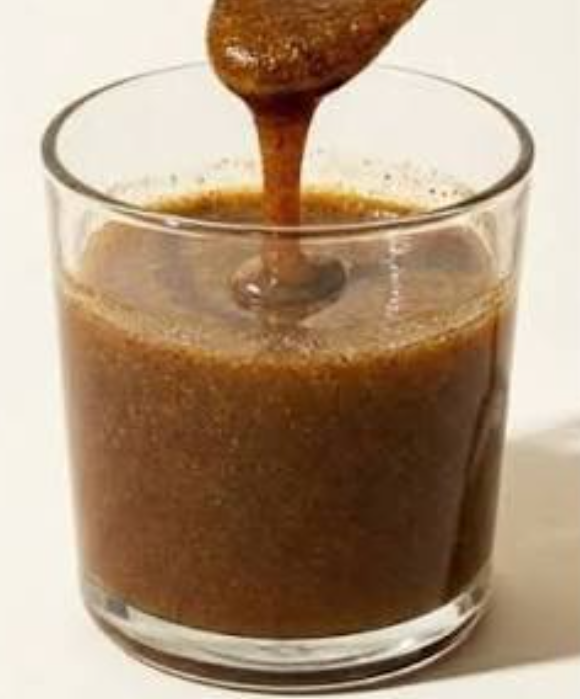
Golden Honey Herbal Infusion is a thick, smooth, sweet, and warmly spiced mixture with a beautiful golden-yellow appearance.
The natural amber color of honey blends with bright turmeric to create a rich golden tone.
Its texture is dense, glossy, and spoonable.
Fine spice particles remain suspended throughout the honey, although some settling may occur during storage.
The aroma is fragrant and complex.
Turmeric provides an earthy foundation, while cardamom contributes floral and slightly citrusy notes.
Ginger adds a warm, gently pungent flavor.
Black pepper introduces a subtle sharpness.
Cayenne pepper creates a more noticeable warming sensation, particularly toward the end of each taste.
Honey balances these spices with natural sweetness.
The finished flavor is sweet at first, followed by earthy, fragrant, and lightly spicy notes.
When stirred into warm water or herbal tea, the mixture creates a golden-colored drink with a distinctive aromatic flavor.
It can also be used in small quantities as a topping for yogurt, oatmeal, or other foods.
8. Nutritional Information
Approximate nutritional values per teaspoon of the prepared mixture:
| Nutrient | Estimated Amount |
|---|---|
| Calories | 20–25 kcal |
| Carbohydrates | 5–6 g |
| Total Sugars | 5–6 g |
| Protein | Less than 0.2 g |
| Total Fat | Less than 0.1 g |
| Saturated Fat | Negligible |
| Fiber | Trace amounts |
| Sodium | Negligible |
| Iron | Trace amounts |
| Potassium | Trace amounts |
These values are estimates. Most of the calories and carbohydrates come from honey. The small quantities of spices contribute relatively little to the overall nutritional content.
Honey is still a source of free sugars, even when raw or combined with spices.
9. Recipe Details
| Category | Details |
|---|---|
| Recipe Name | Golden Honey Herbal Infusion |
| Alternative Name | Golden Honey / Spiced Fire Honey |
| Recipe Style | Homemade Spiced Honey |
| Cuisine | Modern Traditional-Inspired Preparation |
| Preparation Time | Approximately 10 Minutes |
| Cooking Time | None |
| Flavor Resting Time | Approximately 24–48 Hours |
| Total Time | 24–48 Hours, Including Resting |
| Yield | Approximately 1 Cup |
| Approximate Portions | 48–50 Teaspoon-Sized Portions |
| Difficulty | Very Easy |
| Main Ingredient | Honey |
| Main Spice | Turmeric |
| Additional Spices | Cardamom, Ginger, Black Pepper, Cayenne |
| Preparation Method | Mixing and Resting |
| Texture | Thick, Smooth, Spoonable |
| Color | Golden Yellow |
| Flavor Profile | Sweet, Earthy, Floral, Warming, Mildly Spicy |
| Serving Options | Directly, Warm Water, Herbal Tea |
| Dietary Style | Vegetarian, Naturally Gluten-Free |
| Vegan | No, Because It Contains Honey |
| Storage | Sealed Jar in a Cool, Dry Pantry |
| Best For | Flavoring Warm Drinks and Foods |
10. Conclusion
Golden Honey Herbal Infusion is a simple homemade preparation that combines the natural sweetness of honey with the warming flavors of turmeric, ginger, cardamom, black pepper, and cayenne.
The recipe requires just six ingredients and approximately 10 minutes of hands-on preparation.
The honey is poured into a clean, dry jar, then combined with the measured spices.
After thorough mixing, the jar is sealed and left to rest for approximately 24 hours so the flavors can blend.
The result is a thick golden mixture with an earthy, fragrant, sweet, and gently spicy character.
One of its greatest advantages is its versatility.
A small amount can be added to warm water or herbal tea, drizzled over oatmeal, or used to flavor other foods.
The mixture is also easy to customize by adjusting the cayenne or adding other dry spices.
Although golden honey preparations are frequently promoted as wellness remedies, their health effects should not be overstated.
The ingredients have culinary value, and some have been studied for biological effects, but this particular combination has not been demonstrated to prevent or treat disease.
Enjoyed as a flavorful spiced honey, it offers a convenient way to incorporate aromatic ingredients into everyday foods and beverages.
11. Serving and Storage Recommendations
Warm Water: Stir approximately 1 teaspoon into a cup of comfortably warm water.
Herbal Tea: Add to ginger, chamomile, or other herbal teas.
Warm Milk: Mix into warm milk or a suitable dairy-free alternative.
Oatmeal: Drizzle over warm oatmeal.
Plain Yogurt: Use a small amount as a spiced sweetener.
Smoothies: Blend a little into smoothies when the flavor complements the other ingredients.
Lemon Drink: Add fresh lemon juice to an individual serving of honey water.
Serving Temperature: Use warm rather than scalding-hot beverages for comfortable drinking.
Storage Container: Use a clean, completely dry glass jar with a tight-fitting lid.
Storage Location: Store the original dry-spice-and-honey mixture in a cool, dry pantry away from direct sunlight.
Storage Duration: Honey itself is very shelf-stable, but a precise safe shelf life for this homemade spice mixture has not been established. Prepare manageable batches, use clean utensils, and discard the mixture if it develops any signs of spoilage.
Refrigeration: Not generally necessary for plain honey mixed only with dry powdered spices. Refrigeration can make the mixture thicker.
Fresh Ingredients: Do not assume the same storage guidance applies if fresh ginger, garlic, lemon juice, or water is added.
Stirring: Stir before each serving because spice particles may settle.
Clean Utensils: Always use a clean, dry spoon.
Avoid Excessive Moisture: Do not add water directly to the storage jar.
Infant Safety: Never give honey or honey-containing preparations to babies under 12 months of age. CDC
Allergen Awareness: Avoid the recipe if you are allergic to honey or any included spice.
Spice Sensitivity: Cayenne, ginger, and pepper may aggravate reflux or stomach irritation in susceptible individuals.
Medical Considerations: People who take regular medication or are managing a health condition should consult a qualified healthcare professional before using concentrated spice preparations routinely.
12. Embracing Healthful Indulgence
Golden Honey Herbal Infusion brings together several flavorful ingredients that have been valued in traditional culinary practices.
Its primary nutritional component is honey, which provides carbohydrates in the form of naturally occurring sugars.
The spices contribute aroma, flavor, and small quantities of naturally occurring plant compounds.
Understanding the possible benefits and limitations of these ingredients helps place the mixture in the context of a balanced diet.
Honey and Throat Comfort
Honey has a thick, soothing texture that many people find pleasant when they have a scratchy throat.
Some clinical evidence suggests that honey may modestly reduce coughing associated with upper respiratory infections, particularly in children older than one year.
However, the evidence varies in quality, and honey is not a cure for respiratory infections. Mayo Clinic+1
Turmeric and Curcumin
Turmeric contains curcumin, a compound studied for its possible effects on inflammation and other biological processes.
Some research involving turmeric or curcumin preparations has reported promising findings, but the evidence is not sufficient to establish broad medical benefits.
The amount of curcumin consumed from a small serving of golden honey is also different from the amounts used in many clinical studies. NCCIH
Black Pepper and Piperine
Black pepper contains piperine, a naturally occurring compound.
Piperine can increase curcumin absorption in certain studied formulations.
However, this does not establish that a teaspoon of homemade golden honey produces a meaningful medical benefit.
Enhanced absorption can also affect safety considerations, particularly with concentrated supplements. NCCIH
Ginger and Warming Flavor
Ginger contributes a distinctive warm, slightly pungent taste.
It is widely used in cooking and hot beverages.
Although ginger has been studied for several health-related purposes, the small amount present in this recipe should primarily be considered a flavoring ingredient.
Cardamom and Aromatic Complexity
Cardamom contributes floral, citrusy, and mildly sweet notes.
It improves the sensory complexity of the mixture without requiring additional sugar.
Cayenne Pepper and Capsaicin
Cayenne contains capsaicin, the compound responsible for its heat.
The tiny quantity used in this recipe provides a warming sensation but should not be interpreted as a proven way to improve circulation or treat inflammation.
A Balanced Approach
Golden Honey Herbal Infusion is best enjoyed as a flavorful addition to food and beverages.
It can make warm tea or water more appealing, especially for people who enjoy sweet and spicy flavors.
However, the mixture still contains a substantial amount of sugar.
A teaspoon-sized serving keeps the sweetness relatively modest compared with larger portions.
People who monitor blood glucose or added sugar intake should account for the honey in their overall diet.
The mixture should not be used as a substitute for medical care or treatments with established effectiveness.
With its fragrant spices, rich golden color, and naturally sweet flavor, Golden Honey Herbal Infusion offers a pleasant homemade way to enjoy honey, turmeric, ginger, cardamom, black pepper, and cayenne as part of a varied diet.