
Introduction
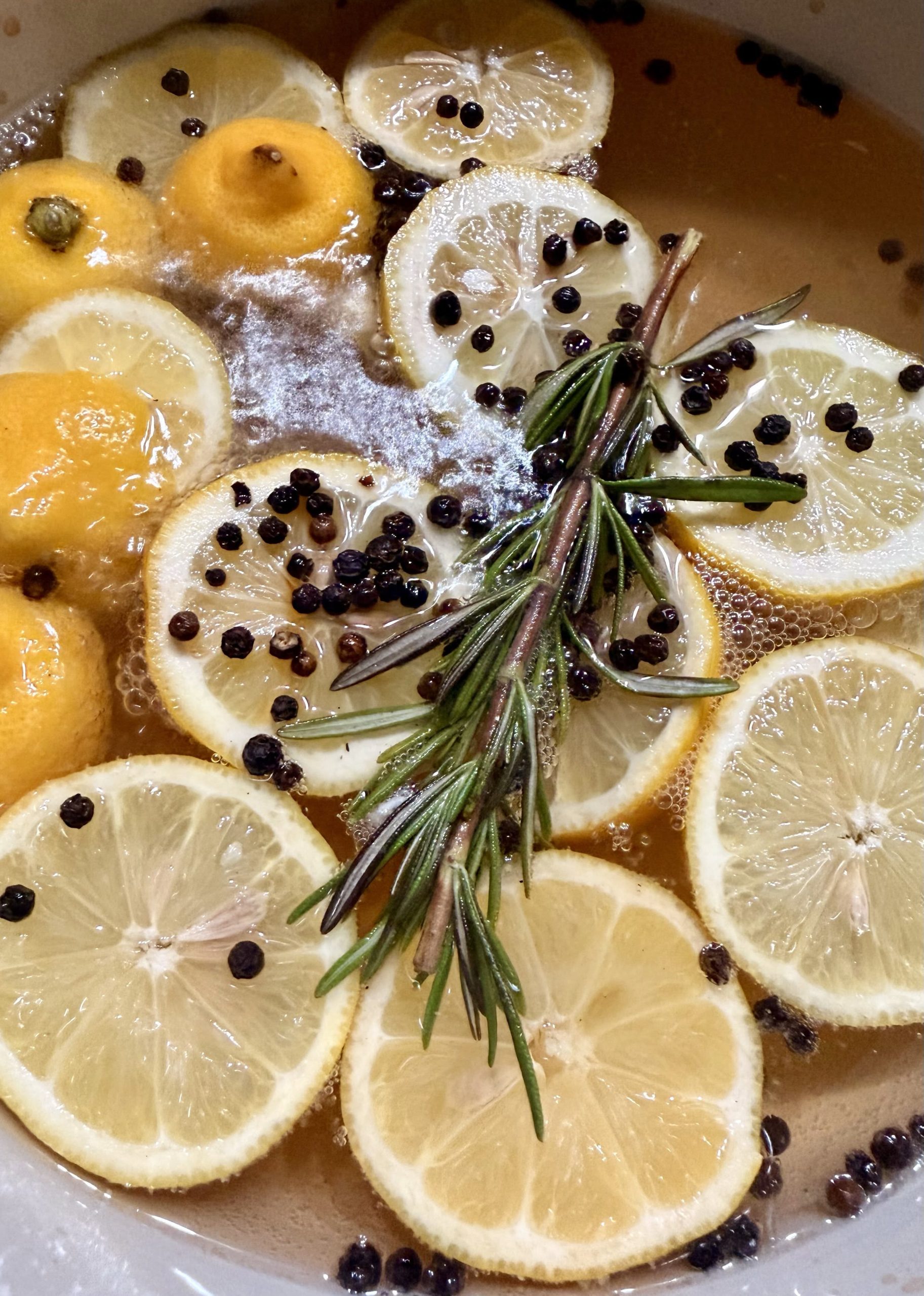
Citrus Rosemary Turkey Brine is an aromatic blend of fresh citrus, fragrant herbs, garlic, and warm spices designed to help turkey or chicken stay flavorful and moist during cooking. Combining lemon, orange, rosemary, black peppercorns, and a touch of brown sugar, this homemade brine adds a balanced savory-sweet flavor without requiring complicated preparation.
Whether you’re preparing a Thanksgiving turkey, a holiday roast, or a whole chicken for a family dinner, this simple brine is an excellent way to enhance your poultry before it goes into the oven. The salt helps the meat retain moisture, while the citrus and herbs contribute a fresh, fragrant aroma.
Best of all, the brine uses everyday ingredients and requires only a few minutes of active cooking time. Prepare it ahead, cool it completely, and let the poultry rest in the refrigerator while the flavors develop.
Origin
Brining is an old food-preparation technique that involves soaking meat in a saltwater solution before cooking. Historically, salt was widely used to preserve foods, and cooks eventually recognized that soaking poultry and other meats in a seasoned brine could also improve their texture and flavor.
Modern poultry brines often combine salt with sugar, herbs, spices, and aromatic ingredients. Citrus fruits and rosemary are particularly popular in contemporary roasting recipes because they complement the naturally savory flavor of turkey and chicken.
This Citrus Rosemary Turkey Brine draws inspiration from Mediterranean-style flavor combinations, where lemon, garlic, and rosemary frequently appear together in savory dishes. The addition of orange and brown sugar creates a subtle sweetness that balances the salt and pepper.
Cultural Significance
Turkey is a traditional centerpiece for many American holiday meals, particularly Thanksgiving and Christmas celebrations. Preparing a large roast turkey often involves careful seasoning and advance preparation to help the meat remain tender and flavorful.
Brining has become a popular technique among home cooks who want to improve their holiday poultry without relying on complicated cooking methods. Aromatic ingredients such as rosemary, citrus, and garlic also bring a festive quality to the kitchen.
Although this recipe is especially suitable for holiday turkey, it works just as well for chicken prepared for Sunday dinner, family gatherings, or special occasions. Its fresh citrus aroma and herbal character make it versatile enough for a variety of menus.
Ingredients Quantity
Preparation time: 10 minutes
Cooking time: 5 minutes
Cooling time: Approximately 1 hour
Total preparation time: Approximately 1 hour and 15 minutes, plus brining time
Yield: Enough brine for one 10- to 12-pound turkey, depending on the container
Ingredients
- 8 cups water, divided
- 1/2 cup kosher salt
- 1/2 cup packed brown sugar
- 1 lemon, sliced
- 1 orange, sliced
- 4 garlic cloves, lightly crushed
- 2 fresh rosemary sprigs
- 1 tablespoon whole black peppercorns
- 2 bay leaves, optional
- 4 cups ice or very cold water, for cooling
Ingredient notes:
- Kosher salt: Provides the essential seasoning for the brine. Different brands and crystal sizes vary in weight, so use the same type of salt consistently when following a recipe.
- Brown sugar: Balances the saltiness and adds a mild caramel-like sweetness.
- Lemon and orange: Provide bright citrus aromas that complement poultry.
- Fresh rosemary: Adds a distinctive herbal fragrance. Thyme can be added for a more complex flavor.
- Garlic and peppercorns: Give the brine a savory, gently spicy character.
- Bay leaves: Add a subtle herbal note but can be omitted without affecting the basic recipe.
Optional Additions
This brine is easy to customize according to your preferred flavors.
- Fresh thyme: Add two or three sprigs for an additional herbal aroma.
- Sage: Use a few fresh leaves for a traditional holiday flavor.
- Apple slices: Add one sliced apple for a gentle fruity note.
- Whole cloves: Use two or three for a warm, seasonal fragrance.
- Cinnamon stick: Add one small stick for a subtle warming spice.
- Crushed coriander seeds: Add one teaspoon for a light citrus-like spice note.
- Extra garlic: Add one or two additional cloves if you enjoy a stronger savory flavor.
Keep additions moderate so that the citrus and rosemary remain the main flavors.
Tips for Success
1. Cool the Brine Completely
This is the most important step. Never place raw turkey or chicken in warm brine. Hot liquid can raise the temperature of the meat and allow harmful bacteria to multiply. Use ice or very cold water to speed up cooling, and verify that the brine is completely cold before adding the poultry.
2. Choose a Food-Safe Container
Use a large food-safe container, a suitable brining bag, or a nonreactive pot that fits comfortably in your refrigerator. Avoid containers made from reactive metals that could interact with the salty, acidic mixture.
3. Keep the Poultry Refrigerated
Brine the turkey or chicken in the refrigerator at 40°F (4°C) or below. Never leave raw poultry soaking on the kitchen counter or in another warm location.
4. Make Sure the Poultry Is Submerged
The brine should cover as much of the poultry as possible. If necessary, add additional cold water, making sure the container has enough room to hold the liquid safely.
5. Avoid Over-Brining
For a 10- to 12-pound turkey, approximately 12 to 18 hours is a practical starting point. Chicken generally needs less time, around 4 to 8 hours depending on its size. Follow the guidance for your particular poultry and avoid extending the brining time unnecessarily, as excessive brining can make the meat too salty or affect its texture.
6. Adjust the Final Seasoning
Brined poultry already contains additional salt. Pat the surface dry before roasting, and use little or no extra salt in the rub unless your recipe specifically accounts for brining.
7. Consider the Poultry Packaging
Some turkeys are sold pre-brined, injected with a salt solution, or labeled self-basting. These products may become overly salty when placed in another brine. Check the label before proceeding.
Instructions
Step 1: Dissolve the Salt and Sugar
Pour 4 cups of water into a large saucepan. Add the kosher salt and brown sugar. Heat gently over medium heat, stirring until both ingredients have dissolved completely.
There is no need to bring the mixture to a vigorous boil. Gentle heating is sufficient to dissolve the ingredients.
Step 2: Add the Aromatics
Add the lemon slices, orange slices, crushed garlic cloves, rosemary sprigs, black peppercorns, and bay leaves, if using.
Allow the mixture to simmer gently for approximately 5 minutes. This helps release the aromas of the citrus, herbs, and spices into the liquid.
Remove the saucepan from the heat.
Step 3: Cool the Brine
Carefully add the ice or very cold water to the saucepan. Stir to distribute the cold liquid evenly.
Allow the brine to cool completely. If it remains warm, place the saucepan in an ice-water bath and stir occasionally to help it cool faster.
Do not add raw poultry until the brine is thoroughly chilled.
Step 4: Brine the Turkey or Chicken
Place the turkey in a large food-safe container and pour the cooled brine over it. Add additional cold water if needed to cover the poultry.
Cover the container and refrigerate for approximately 12 to 18 hours for a 10- to 12-pound turkey. For chicken, allow approximately 4 to 8 hours, depending on its size.
Keep the poultry refrigerated throughout the brining process.
Step 5: Remove and Prepare the Poultry
Take the poultry out of the brine and discard the used liquid. Do not reuse the brine for another batch of meat or as a sauce unless it has been handled and cooked according to appropriate food-safety guidance.
Pat the poultry dry with clean paper towels. For crispier roasted skin, you can place the uncovered poultry on a tray in the refrigerator for several hours, provided it remains safely refrigerated.
Avoid adding excessive salt to any additional seasoning mixture.
Step 6: Cook the Poultry Safely
Roast or cook the poultry according to your preferred recipe. Use a food thermometer to check the internal temperature rather than relying only on cooking time or appearance.
Turkey and chicken should reach a minimum internal temperature of 165°F (74°C), measured in the thickest part of the breast and the innermost part of the thigh and wing, avoiding contact with bone.
Allow the cooked poultry to rest as appropriate for its size before carving and serving.
Description
Citrus Rosemary Turkey Brine is a fragrant, salt-based seasoning mixture featuring fresh lemon, orange, rosemary, garlic, and black peppercorns. The combination creates a bright, herbal aroma with a subtle sweetness from brown sugar.
The brine is designed to season poultry before cooking, helping it retain moisture and develop a more flavorful result. It is especially useful for roasted turkey but can also be used for whole chicken when the brining time is adjusted to the bird’s size.
With a short cooking process and simple ingredients, this recipe is a convenient preparation method for holiday meals and everyday poultry dishes alike.
Nutritional Information
Because this recipe is used as a brine and most of the liquid is discarded, the nutritional content of the finished poultry depends on how much salt, sugar, and other ingredients are absorbed. The following values are estimates for the entire prepared brine, not for a serving of cooked turkey.
Approximate nutritional content of the full batch:
- Calories: 200–250
- Carbohydrates: 50–60 g
- Sugars: 45–55 g
- Protein: 1–2 g
- Fat: Less than 1 g
- Sodium: Varies substantially by salt brand and quantity
These figures are estimates and will vary with ingredient measurements. The amount of sodium retained in the cooked poultry cannot be calculated reliably from the brine ingredients alone. People who need to limit sodium should consider a lower-salt preparation method and consult appropriate dietary guidance.
Conclusion
Citrus Rosemary Turkey Brine is a simple, aromatic way to prepare poultry for a flavorful meal. Fresh lemon and orange provide a bright citrus character, rosemary and garlic bring savory depth, and brown sugar balances the salt with a gentle sweetness.
The recipe requires little active cooking and can be prepared in advance, making it particularly useful for busy holiday preparations. By cooling the brine thoroughly, keeping the poultry refrigerated, and monitoring the final cooking temperature, you can prepare turkey or chicken with confidence.
Whether you’re hosting a festive dinner or preparing a family roast, this citrus-and-herb brine offers a versatile foundation for delicious poultry.
Recommendation
For the best results, use this brine with an unseasoned turkey or chicken and allow enough time for safe refrigeration. After brining, pat the poultry dry and season it with complementary herbs such as rosemary, thyme, or sage, keeping additional salt to a minimum.
For a complete meal, serve the roasted poultry with roasted vegetables, mashed potatoes, rice, or a fresh green salad. A simple lemon-herb pan sauce can complement the citrus notes without overpowering the meat.
If you’re preparing a holiday turkey, make the brine the day before cooking so that it has plenty of time to cool and the poultry can brine safely in the refrigerator.
Embracing Healthful Indulgence
Enjoying flavorful food does not require complicated ingredients or excessive seasoning. Citrus Rosemary Turkey Brine uses familiar aromatics to build flavor before cooking, helping you create a satisfying centerpiece for a balanced meal.
Pair your turkey or chicken with vegetables, whole grains, or other favorite side dishes for variety and nourishment. You can also adjust the herbs and citrus to suit your taste while being mindful of sodium, particularly if you’re cooking for anyone who follows a sodium-restricted diet.
With thoughtful preparation and safe handling, this homemade brine can become a useful addition to your cooking routine, bringing fresh citrus aromas and fragrant herbs to everyday dinners and special occasions alike.