
Introduction
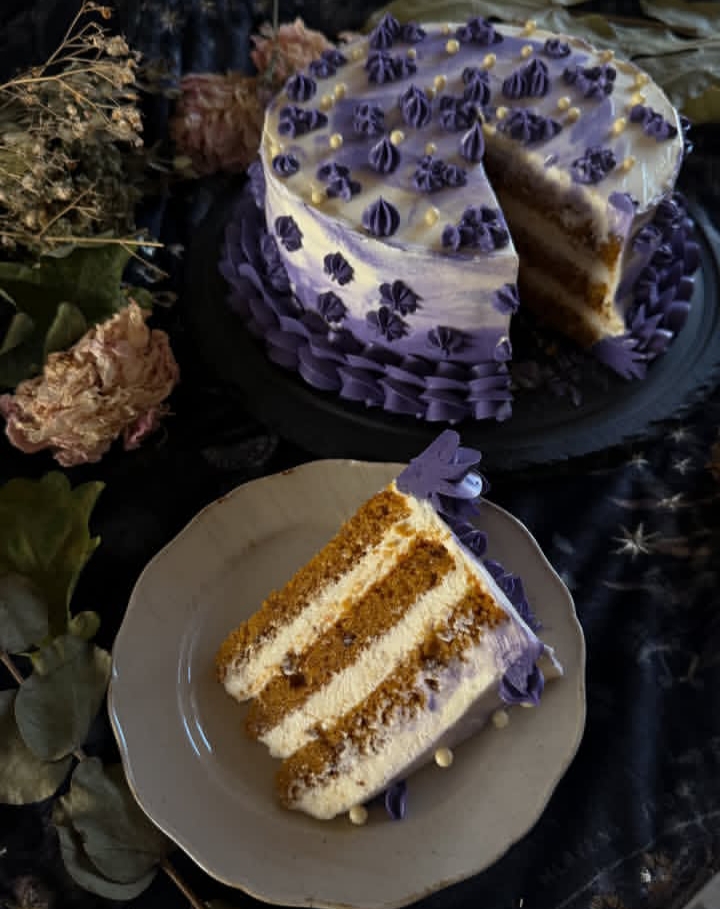
If you love dramatic desserts with bold flavors, this Goth Pumpkin and Lotus Biscoff Cake with Espresso Buttercream is a showstopping treat worth making. Featuring moist pumpkin cake layers infused with warm autumn spices, a rich Lotus Biscoff cookie butter filling, and smooth espresso buttercream, this cake combines cozy seasonal flavors with a striking, dark aesthetic.
The pumpkin keeps the cake tender, while cinnamon and pumpkin pie spice add warmth to every bite. In the center, creamy cookie butter creates a sweet, caramelized filling with the unmistakable flavor of spiced biscuits. The espresso buttercream balances the sweetness with a deep coffee aroma, making every slice rich and memorable.
Perfect for Halloween parties, autumn celebrations, birthdays, or anyone who enjoys creative cake decorating, this dessert brings together the comfort of pumpkin spice and the sophistication of coffee and cookie butter.
Origin of Goth Pumpkin and Lotus Biscoff Cake
This cake combines several modern baking favorites rather than following one traditional recipe. Pumpkin cake has become especially popular in North American baking, where pumpkin purée is commonly used in autumn desserts such as pumpkin bread, muffins, pies, and layer cakes.
Lotus Biscoff spread, made from caramelized biscuits, has also become a popular ingredient in contemporary desserts. Its smooth texture and spiced caramel flavor make it ideal for fillings, frostings, cheesecakes, and layered cakes.
Espresso buttercream adds another modern touch, pairing coffee’s roasted bitterness with the sweetness of the cookie butter. The gothic styling brings these elements together in a dramatic presentation suited to Halloween and alternative celebration themes.
The specific cake described here is attributed in the supplied recipe description to baker Tudor Groza, known online as @tudor.bakes. The version below is a home-baking adaptation based on the ingredients provided.
Cultural Significance
Pumpkin desserts are closely associated with autumn celebrations, particularly in North America, where pumpkin-flavored treats become popular during Halloween and Thanksgiving season. Their warm spices and comforting textures evoke the flavors of cooler weather and seasonal gatherings.
Gothic cake decorating offers a contrasting visual style. Dark colors, dramatic textures, and bold finishes create desserts that feel artistic, mysterious, and unconventional. These designs are especially popular for Halloween parties and themed celebrations.
The addition of Lotus Biscoff and espresso reflects the modern trend of combining familiar ingredients in creative ways. Pumpkin provides a seasonal foundation, cookie butter contributes a sweet caramelized center, and coffee frosting introduces a sophisticated flavor contrast.
Together, these elements create a dessert that is as visually distinctive as it is flavorful.
Ingredients Quantity
For the Spiced Pumpkin Cake Layers
- 2½ cups (315 g) all-purpose flour: Provides structure for the cake layers.
- 2 teaspoons baking powder: Helps the cake rise.
- 1 teaspoon baking soda: Supports leavening and contributes to a tender crumb.
- 1 teaspoon salt: Balances the sweetness and enhances the spices.
- 2 teaspoons ground cinnamon: Adds warmth and a classic autumn flavor.
- 1 teaspoon pumpkin pie spice: Creates a deeper blend of seasonal spices.
- 1 cup (200 g) granulated sugar: Sweetens the cake.
- 1 cup (200 g) packed light brown sugar: Adds moisture and a subtle molasses flavor.
- 1 cup (240 ml) vegetable or canola oil: Helps keep the cake moist.
- 4 large eggs, at room temperature: Bind the ingredients and provide structure.
- 1 can (15 ounces/425 g) pure pumpkin purée: Adds moisture, color, and pumpkin flavor.
- 1 teaspoon vanilla extract: Enhances the overall flavor.
For the Biscoff Core Filling and Assembly
- 1 jar (14 ounces/400 g) Lotus Biscoff Cookie Butter Spread: Provides a smooth, caramelized biscuit filling.
- ½ cup finely crushed Lotus Biscoff cookies: Adds a crunchy texture and extra cookie flavor.
For the Espresso Buttercream Frosting
The original ingredient list ends after the espresso powder quantity. The following additions complete a workable buttercream for filling, covering, and decorating the cake.
- 1½ cups (340 g) unsalted butter, softened: Creates a creamy frosting base.
- 5–6 cups (600–720 g) powdered sugar, sifted: Sweetens and thickens the buttercream.
- 3 tablespoons instant espresso powder: Provides a pronounced coffee flavor.
- 3–5 tablespoons heavy cream or milk: Helps achieve a smooth, spreadable consistency.
- 2 teaspoons vanilla extract: Adds flavor and rounds out the coffee notes.
- ¼ teaspoon salt: Balances the sweetness.
Optional Gothic Decorations
- Black cocoa powder or a small amount of black food coloring
- Extra crushed Biscoff cookies
- Whole Lotus Biscoff cookies
- Dark chocolate shavings
- Chocolate ganache
- Espresso beans for decoration
Use only food-safe decorations, particularly if the cake is intended for a themed party.
Optional Additions
Dark chocolate ganache: Drizzle a thin layer of dark chocolate ganache over the top for a dramatic finish. Let it cool slightly before applying so it does not melt the buttercream.
Cream cheese frosting: Replace some of the espresso buttercream with cream cheese frosting for a tangier flavor that complements pumpkin.
Extra cinnamon: Add a small amount of additional cinnamon to the cookie butter filling if you prefer a stronger autumn spice flavor.
Toasted pecans or walnuts: Sprinkle finely chopped toasted nuts between the layers for crunch and a nutty flavor.
Chocolate cake accents: Add thin chocolate decorations or dark chocolate curls for a more gothic presentation.
Black cocoa buttercream: Replace a small portion of the frosting’s regular cocoa-free base with black cocoa powder if you want a darker chocolate finish. Because black cocoa changes the frosting’s consistency, adjust the liquid gradually.
Salted caramel: Add a thin drizzle of thick caramel sauce between the cake layers for extra richness. Use only a small amount to avoid making the filling unstable.
Tips for Success
Use pure pumpkin purée. Choose unsweetened pumpkin purée rather than pumpkin pie filling, which already contains sweeteners and spices.
Measure the flour accurately. Weighing the flour is the most reliable approach. Too much flour can make the cake dense and dry.
Bring the eggs to room temperature. Room-temperature eggs blend more evenly into the oil and pumpkin mixture.
Avoid overmixing the batter. Once the dry ingredients are incorporated, mix only until no visible flour remains. Overmixing can create a tougher crumb.
Cool the cake layers completely. Pumpkin cake retains moisture and can be delicate while warm. Allow the layers to cool fully before filling and frosting.
Chill the cookie butter if needed. If the Biscoff spread becomes too runny after warming, let it cool until thick but still spreadable before assembling the cake.
Create a stable filling. Pipe a ring of espresso buttercream around the outer edge of each cake layer before adding the cookie butter. This buttercream border helps prevent the filling from escaping through the sides.
Dissolve the espresso powder. Mix the instant espresso powder with a small amount of the cream or milk before adding it to the buttercream. This helps distribute the coffee flavor more evenly.
Adjust the frosting gradually. Add liquid one tablespoon at a time. The buttercream should be smooth enough to spread but firm enough to hold its shape when piped.
Chill before decorating. Refrigerate the assembled cake briefly before applying the final decorative details. A chilled cake is easier to frost and less likely to slide.
Instructions
Step 1: Prepare the Cake Pans
Preheat the oven to 350°F (175°C).
Grease three 8-inch round cake pans and line the bottoms with parchment paper. If you only have two pans, bake the layers in batches rather than overfilling them.
Make sure the oven has reached the correct temperature before placing the cake pans inside.
Step 2: Combine the Dry Ingredients
In a large bowl, whisk together the flour, baking powder, baking soda, salt, cinnamon, and pumpkin pie spice.
Mix thoroughly so the leavening agents and spices are evenly distributed throughout the flour.
Set the bowl aside.
Step 3: Mix the Wet Ingredients
In a separate large bowl, whisk together the granulated sugar, brown sugar, vegetable oil, and eggs until the mixture is smooth.
Add the pumpkin purée and vanilla extract. Whisk again until fully combined.
The mixture should look thick, smooth, and evenly colored.
Step 4: Make the Pumpkin Cake Batter
Gradually add the dry ingredients to the wet mixture.
Use a spatula or whisk to mix gently until the flour has been incorporated. Stop mixing as soon as the batter is uniform.
Divide the batter evenly among the prepared cake pans.
Step 5: Bake the Cake Layers
Bake for approximately 25–35 minutes, checking for doneness toward the earlier end of the range.
The exact baking time will depend on the pan size and your oven. Insert a toothpick into the center of a cake layer; it should come out clean or with a few moist crumbs.
Remove the pans from the oven and allow the cakes to cool for about 10–15 minutes.
Carefully turn the layers out onto wire racks, remove the parchment paper, and let them cool completely.
Step 6: Prepare the Espresso Buttercream
Place the softened butter in a large mixing bowl.
Beat with an electric mixer for approximately 2–3 minutes, until the butter becomes pale and creamy.
In a small bowl, mix the instant espresso powder with one tablespoon of the heavy cream or milk until dissolved as thoroughly as possible.
Add the espresso mixture and vanilla extract to the butter.
Gradually incorporate the sifted powdered sugar, mixing on low speed to avoid a cloud of sugar.
Add the remaining cream or milk a little at a time until the buttercream reaches a smooth, spreadable consistency.
Add the salt and beat the frosting on medium-high speed for another 2–3 minutes, until fluffy.
If the frosting is too soft, add a little more powdered sugar or chill it briefly. If it is too stiff, add a small amount of cream.
Step 7: Prepare the Biscoff Filling
Place the Lotus Biscoff Cookie Butter Spread in a heat-safe bowl.
Warm it briefly in the microwave in short intervals, stirring between each interval, until it becomes slightly more fluid. Avoid overheating it.
Allow the spread to cool until it is thick but easy to spread.
Finely crush the Biscoff cookies and set them aside.
Step 8: Level the Cake Layers
Once the cakes are completely cool, check whether their tops are level.
If necessary, use a serrated knife to trim away any domed tops. Work slowly to avoid tearing the tender cake.
Place the first layer on a cake stand or serving plate.
Step 9: Fill the Cake
Transfer some espresso buttercream to a piping bag and pipe a ring around the outer edge of the first cake layer.
Spread a portion of the Biscoff cookie butter inside the buttercream ring, leaving a little space around the edge.
Sprinkle some crushed Biscoff cookies over the filling.
Place the second cake layer on top and press very gently to secure it. Repeat the filling process if you are making a three-layer cake.
Position the final cake layer on top, with its flattest side facing upward.
Avoid using too much cookie butter between the layers, as an overly thick filling can make the cake unstable.
Step 10: Apply the Crumb Coat
Spread a thin layer of espresso buttercream over the top and sides of the assembled cake.
This crumb coat helps trap loose cake crumbs and creates a smooth foundation for the final frosting.
Refrigerate the cake for approximately 20–30 minutes, or until the coating feels firm.
Step 11: Apply the Final Frosting
Spread the remaining espresso buttercream over the top and sides of the chilled cake.
Use an offset spatula or cake scraper to create a smooth finish, or leave subtle ridges and textured patterns for a dramatic gothic appearance.
For a darker design, use black food coloring sparingly or decorate with dark chocolate elements. Add coloring gradually because a little can go a long way.
Step 12: Decorate the Cake
Finish the cake with crushed Biscoff cookies, dark chocolate shavings, or whole cookies.
For a more dramatic look, add a controlled drizzle of cooled chocolate ganache or pipe decorative buttercream around the top edge.
You can also sprinkle a small amount of finely crushed cookie crumbs over the top to emphasize the caramelized biscuit flavor.
Keep the decorations balanced so the cake’s layers and frosting remain the main focus.
Step 13: Chill and Serve
Refrigerate the finished cake briefly to help the frosting and filling set.
For the best flavor and texture, let the cake sit at room temperature for approximately 15–25 minutes before slicing, provided the room is cool.
Use a sharp knife and wipe it clean between cuts for neat slices that reveal the pumpkin layers and Bis