
1. Introduction
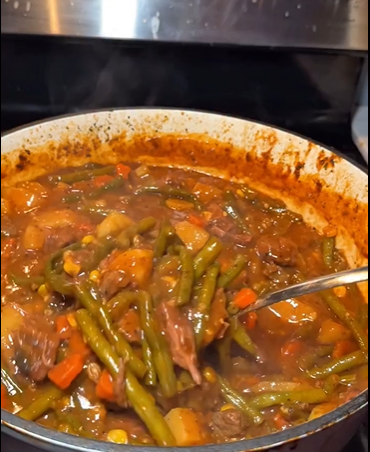
Hearty Beef and Vegetable Stew is a comforting homemade meal filled with tender chunks of beef, carrots, potatoes, and green beans simmered in a rich, savory tomato broth. Slow cooking allows the beef to become fork-tender while the vegetables absorb the delicious flavors of garlic, onion, thyme, paprika, and beef broth.
This classic-style stew is made in one pot, making it practical for family dinners and chilly evenings when a warm, satisfying meal is especially welcome. Browning the beef first develops deep, savory flavor, while tomato paste and diced tomatoes give the broth its rich color and balanced taste.
The recipe uses simple ingredients and straightforward techniques, making it suitable for both beginner and experienced home cooks. Serve it in generous bowls with crusty bread to soak up every drop of the flavorful broth.
2. Origin
Beef stew is a traditional style of cooking found in many cultures around the world. Long before modern kitchens, cooks used slow, moist-heat cooking methods to soften tougher cuts of meat and combine them with vegetables, herbs, and available liquids.
In European and North American cooking, beef stews developed into a wide range of regional dishes. Some feature wine-based broths, while others use tomatoes, beef stock, or root vegetables to create their signature flavors.
American-style beef and vegetable stew often combines beef chuck with potatoes, carrots, onions, and a savory broth. Tomato paste, canned tomatoes, and Worcestershire sauce are common additions in modern home recipes, adding depth and a rich, hearty character.
This version brings together those familiar elements in an easy one-pot meal that emphasizes tender beef, chunky vegetables, and a thick, flavorful broth.
3. Cultural Significance
Beef stew is closely associated with home cooking because it transforms everyday ingredients into a filling meal that can feed an entire family. Its slow simmering process also makes it convenient for preparing dinner ahead of time.
In many households, stews are popular during cooler weather because they provide warmth and comforting aromas throughout the kitchen. They are also practical meals for sharing, with a single pot containing meat, vegetables, and flavorful broth.
Recipes vary depending on family traditions and regional ingredients. Some cooks add peas, celery, mushrooms, or other vegetables, while others prefer a thicker gravy or a brothier consistency.
Hearty Beef and Vegetable Stew celebrates this flexible cooking tradition. It is equally suitable for a relaxed Sunday dinner, a weeknight meal prepared in advance, or a gathering around the family table.
4. Ingredients and Quantities
For the beef stew
- 1½ lb beef chuck, cut into bite-size pieces
- 2 tablespoons olive oil
- Salt and black pepper, to taste
- 1 small onion, diced
- 3 cloves garlic, minced
- 2 tablespoons tomato paste
- 1 can (14.5 oz) diced tomatoes
- 4 cups beef broth
- 1 tablespoon Worcestershire sauce
- 1 teaspoon paprika
- 1 teaspoon dried thyme
- 2 bay leaves
- 3 medium carrots, cut into chunks
- 2 medium potatoes, peeled and cut into chunks
- 8 oz green beans, trimmed and cut in half
- 2 tablespoons all-purpose flour mixed with 2 tablespoons cold water, optional
- 2 tablespoons chopped fresh parsley, for serving
Equipment
- Large heavy-bottomed pot or Dutch oven with a lid
- Cutting board
- Sharp knife
- Wooden spoon
- Measuring cups and spoons
- Plate for the browned beef
- Ladle for serving
Ingredient notes
Beef chuck: This cut is ideal for stews because its connective tissue softens during slow cooking, helping the meat become tender and flavorful.
Tomato paste and diced tomatoes: Tomato paste provides concentrated savory flavor, while diced tomatoes add moisture and a pleasant acidity to the broth.
Beef broth: Choose regular or lower-sodium broth according to your preference. If using a salty broth, season gradually and taste before adding more salt.
Worcestershire sauce: Adds a savory, tangy depth that complements the beef and tomato base.
Potatoes and carrots: These vegetables absorb the cooking liquid and help make the stew hearty. Cut them into reasonably uniform pieces for even cooking.
Green beans: Add them later in the cooking process so they become tender without losing all their texture.
5. Optional Additions
This beef stew is easy to customize with additional vegetables and seasonings.
- Celery: Add one or two chopped stalks with the onion for extra aromatic flavor.
- Peas: Stir in frozen peas during the final 5 minutes of cooking.
- Mushrooms: Add sliced mushrooms when cooking the onion for a deeper, earthy flavor.
- Rosemary: Add a small sprig alongside the thyme and bay leaves for a more pronounced herbal aroma.
- Smoked paprika: Replace regular paprika with smoked paprika for a subtle smoky note.
- Red pepper flakes: Add a small pinch if you enjoy a little heat.
- Fresh lemon juice: Stir in a small squeeze just before serving to brighten the rich broth.
- Fresh parsley: Add extra chopped parsley at the end for freshness and color.
If adding several extra vegetables, check the amount of broth as the stew cooks. Some vegetables release more moisture than others, which can affect the final consistency.
6. Tips for Success
Pat the beef dry before browning. Removing excess surface moisture helps the meat develop a rich brown crust instead of steaming in the pot.
Brown the beef in batches. Avoid overcrowding the pot. Leaving space between the pieces helps them brown evenly and develop deeper flavor.
Scrape up the browned bits. After cooking the onion, use your spoon to loosen the browned pieces from the bottom of the pot. They contribute valuable flavor to the broth.
Cook the tomato paste briefly. Stirring it with the garlic and onion for about a minute deepens its flavor before the liquid is added.
Maintain a gentle simmer. Keep the stew at a low, steady simmer rather than a vigorous boil. This helps the beef soften gradually and prevents excessive evaporation.
Cut vegetables evenly. Similar-sized chunks cook at a more consistent rate. Keep the potato pieces large enough to hold their shape during simmering.
Add the green beans later. They cook faster than beef and potatoes, so adding them toward the end helps prevent them from becoming overly soft.
Allow extra time if needed. Beef chuck can vary in tenderness. If the meat is still firm after the suggested cooking time, continue simmering until it is fork-tender.
Thicken only if necessary. The stew may already have the consistency you want. Add the flour slurry gradually rather than automatically using all of it.
7. Instructions
Step 1: Prepare and season the beef
Pat the beef chuck dry with paper towels. Cut it into bite-size pieces if it has not already been prepared.
Season the beef with salt and black pepper, distributing the seasoning evenly over the pieces.
Step 2: Brown the beef
Heat the olive oil in a large heavy-bottomed pot over medium-high heat.
Add the beef in batches, leaving enough space between the pieces for them to brown. Sear the sides until deeply browned, turning as needed.
Transfer each batch to a plate. Avoid cooking all the beef at once, as overcrowding can prevent proper browning.
Step 3: Cook the onion and garlic
Reduce the heat to medium. Add the diced onion to the same pot and cook for 4–5 minutes, stirring occasionally.
Scrape up the browned bits from the bottom of the pot as the onion softens. Add the minced garlic and tomato paste, then cook for another minute, stirring continuously.
Step 4: Build the stew base
Pour in the diced tomatoes and beef broth. Add the Worcestershire sauce, paprika, dried thyme, and bay leaves.
Stir to combine, making sure the tomato paste is fully incorporated into the liquid.
Return the browned beef and any accumulated juices to the pot.
Step 5: Simmer the beef
Bring the liquid to a gentle boil, then reduce the heat to low.
Cover the pot and simmer for approximately 1½ hours, stirring occasionally. Keep the liquid bubbling gently rather than boiling rapidly.
Check the beef toward the end of this period. It should be beginning to soften, although it may need additional cooking time depending on the size of the pieces.
Step 6: Add the carrots and potatoes
Stir the carrot chunks and potato pieces into the stew.
Cover the pot and simmer for another 20 minutes, or until the vegetables begin to soften.
If the liquid level becomes too low, add a little extra broth or water.
Step 7: Add the green beans
Stir in the trimmed green beans and continue simmering for another 15–20 minutes.
Cook until the beef is fork-tender and the carrots, potatoes, and green beans have reached your preferred texture. If the beef needs more time, continue cooking gently and check the vegetables periodically.
Step 8: Thicken the broth, if desired
In a small bowl, whisk together the all-purpose flour and cold water until no lumps remain.
Stir a little of the mixture into the simmering stew. Cook uncovered for 3–5 minutes, stirring gently, until the broth thickens.
Add more of the slurry only if needed. For a naturally lighter broth, skip this step entirely.
Step 9: Adjust the seasoning
Remove and discard the bay leaves.
Taste the broth and adjust the salt and black pepper as needed. Stir in the chopped fresh parsley or reserve it for garnishing the bowls.
Step 10: Serve hot
Ladle the stew into bowls, making sure each serving includes beef, carrots, potatoes, green beans, and plenty of broth.
Garnish with fresh parsley and serve with crusty bread, dinner rolls, or another favorite accompaniment.
Recipe at a Glance
- Prep time: 20 minutes
- Cook time: Approximately 2 hours 15 minutes
- Total time: Approximately 2 hours 35 minutes
- Servings: 6
- Cooking method: One-pot simmering
- Estimated calories: 390 per serving
- Estimated protein: 32 g per serving
Cooking time may vary according to the size of the beef pieces and the tenderness of the cut. Allow additional time if needed to achieve fork-tender meat.
8. Description
Hearty Beef and Vegetable Stew is a rich, comforting one-pot meal made with tender beef chuck, potatoes, carrots, and green beans in a savory tomato-based broth.
The beef develops deep flavor as it browns, while slow simmering allows its texture to become tender and the herbs to infuse the liquid. Tomato paste and diced tomatoes give the broth a hearty base, and Worcestershire sauce adds an extra layer of savory depth.
Carrots bring natural sweetness, potatoes make the stew satisfying, and green beans provide color and a slightly firmer texture. A sprinkle of fresh parsley finishes the dish with a fresh herbal note.
Serve it hot in deep bowls with crusty bread for a cozy dinner that combines familiar ingredients with rich homemade flavor.
9. Nutritional Information
The following values are approximate estimates per serving, based on six servings and the listed ingredients. Actual nutrition will vary depending on the beef cut, broth, portion size, and whether the optional flour slurry is used.
Approximate nutrition per serving:
- Calories: 390
- Protein: 32 g
- Carbohydrates: 25–32 g
- Fat: 16–20 g
- Fiber: 4–6 g
- Sodium: 600–1,000 mg
Beef provides protein, iron, and vitamin B12, while potatoes, carrots, green beans, and tomatoes contribute carbohydrates, fiber, and a range of naturally occurring vitamins and minerals.
Sodium levels can vary substantially according to the broth and Worcestershire sauce used. These figures are general estimates rather than laboratory-tested nutritional values.
10. Conclusion
Hearty Beef and Vegetable Stew is a comforting homemade dinner that brings together tender beef, chunky vegetables, and a rich, savory broth. The combination of tomato, garlic, thyme, paprika, and Worcestershire sauce creates layers of flavor, while slow simmering helps the beef become deliciously tender.
Although the stew takes time to cook, most of that time is hands-off, allowing the ingredients to develop their flavor together in one pot. The result is a satisfying meal that works well for family dinners, weekend cooking, and preparing meals ahead of time.
Serve it with fresh parsley and crusty bread for a classic, cozy dinner that is easy to return to throughout the colder months.
11. Recommendation
For a complete meal, serve this stew with crusty bread, warm dinner rolls, or a simple green salad. If you prefer extra vegetables, add celery, peas, or mushrooms according to your taste.
This recipe is also a good option for advance preparation. The flavors often become even more developed after the stew has been refrigerated and reheated. Allow the stew to cool slightly, then transfer it to shallow containers and refrigerate within two hours of cooking.
Store leftovers in the refrigerator for 3–4 days. Reheat gently on the stovetop, stirring occasionally and adding a splash of broth or water if the stew has thickened. Heat leftovers to 165°F before serving.
For longer storage, freeze the cooled stew in airtight, freezer-safe containers. For best quality, use it within about 2–3 months. Thaw in the refrigerator before reheating. Potatoes may become somewhat softer after freezing, but the stew will still be flavorful.
12. Embracing Healthful Indulgence
Hearty Beef and Vegetable Stew celebrates the comfort of a homemade meal built around familiar ingredients. Tender beef, colorful vegetables, and a savory broth create a satisfying combination of flavors and textures in every bowl.
You can adapt the recipe to suit your preferences by adding seasonal vegetables, changing the herbs, or adjusting the broth thickness. Serving it with fresh bread or a simple salad offers additional variety at the table.
Slow cooking encourages patience and makes the most of a humble cut of beef, transforming it into a tender, flavorful dish. Whether you prepare it for a family gathering or a quiet evening at home, this stew is a practical and delicious way to enjoy a comforting homemade dinner.