
Introduction
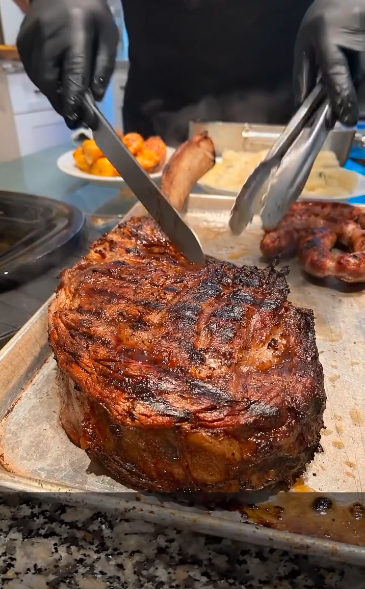
Herb-Crusted Prime Rib Roast is a classic centerpiece designed for special dinners, holidays, and memorable family gatherings. A generous beef rib roast is coated with garlic, rosemary, thyme, butter, olive oil, and seasonings before being roasted until beautifully browned on the outside and tender inside.
The high-temperature start creates a flavorful crust, while the lower roasting temperature allows the center to cook more gently. After resting, the roast is sliced against the grain and served with its rich pan juices, roasted potatoes, and vegetables.
Origin
Prime rib is closely associated with traditional American and British-style roast beef. The term commonly refers to a beef rib roast, particularly a cut taken from the rib section of the animal.
Roasting a large beef joint with herbs and aromatics is a longstanding culinary tradition. Modern prime rib recipes often combine classic roasting techniques with flavorful herb rubs to create a deeply seasoned exterior while preserving the tenderness of the beef.
Cultural Significance
A large rib roast is often considered a celebration meal because it is substantial, impressive, and naturally suited to serving several people.
In American cooking, prime rib is particularly associated with holiday dinners, Christmas meals, New Year’s celebrations, and special family occasions. The roast is frequently served alongside potatoes, vegetables, gravy, and horseradish sauce.
Ingredients and Quantities
For the Roast
- 2–3 kg beef rib roast or prime rib
- 2 tablespoons olive oil
- 4 garlic cloves, minced
- 2 tablespoons softened butter
- 1 tablespoon fresh rosemary, chopped
- 1 tablespoon fresh thyme, chopped
- 1 tablespoon coarse salt
- 2 teaspoons black pepper
- 1 teaspoon smoked paprika
- 1 onion, quartered
- 1 cup beef broth
For Serving
- Pan juices or beef gravy
- Roasted potatoes
- Steamed vegetables
- Horseradish sauce, optional
Optional Additions
The herb crust can be customized with additional flavors.
- Add chopped fresh parsley for a brighter herb flavor.
- Add a small amount of Dijon mustard to the herb paste.
- Use garlic powder together with fresh garlic for a more concentrated garlic flavor.
- Add a pinch of onion powder to the seasoning mixture.
- Finish the sliced roast with a little flaky sea salt.
- Serve with creamy horseradish sauce for a classic pairing.
Tips for Success
Choose a well-marbled roast: Marbling contributes flavor and helps keep the beef tender and juicy during roasting.
Dry the surface thoroughly: Patting the roast dry helps the herb mixture adhere and encourages better browning.
Season generously: A large roast needs enough seasoning to flavor the exterior properly.
Use a meat thermometer: Internal temperature is a much more reliable indicator of doneness than cooking time alone.
Do not skip the resting period: Resting allows the juices to redistribute through the roast and makes slicing easier.
Watch the pan juices: Add beef broth if the liquid begins to dry out during roasting. This also provides a flavorful base for gravy.
Slice against the grain: Cutting across the muscle fibers makes each slice more tender and easier to eat.
Instructions
Step 1: Prepare the Roast
Remove the beef roast from the refrigerator approximately 1 hour before cooking.
Pat the surface thoroughly with paper towels to remove excess moisture. This helps the seasoning adhere and encourages a beautifully browned exterior.
Step 2: Prepare the Roasting Pan
Preheat the oven to 230°C (450°F).
Place the quartered onion in the bottom of a roasting pan and position the beef roast on top, with the fat side facing upward.
Step 3: Make the Herb Crust
In a small bowl, combine the olive oil, softened butter, minced garlic, rosemary, thyme, coarse salt, black pepper, and smoked paprika.
Mix until a thick herb paste forms.
Rub the mixture generously over the entire surface of the roast, making sure the seasoning is distributed evenly.
Step 4: Begin Roasting
Place the roast in the preheated oven.
Roast at 230°C (450°F) for approximately 15 minutes. This initial high-temperature stage helps brown the exterior and develop the flavorful crust.
Step 5: Lower the Temperature
Reduce the oven temperature to 160°C (325°F).
Continue roasting until the beef reaches your preferred internal temperature. Cooking time will vary depending on the size and shape of the roast.
For reference, the listed temperatures are:
- Rare: 49–52°C (120–125°F)
- Medium-rare: 54–57°C (130–135°F)
- Medium: 60–63°C (140–145°F)
For food-safety purposes, use a reliable thermometer and follow the recommended safe minimum temperature for whole beef roasts.
Step 6: Add Beef Broth if Needed
Check the roasting pan during cooking.
If the juices begin to dry out, carefully add some beef broth to the bottom of the pan. Avoid pouring broth directly over the herb crust, as this can interfere with browning.
Step 7: Rest the Roast
Transfer the cooked roast to a cutting board.
Loosely cover it with aluminum foil and allow it to rest for approximately 20–30 minutes.
The internal temperature will continue to rise slightly during this period, while the juices redistribute throughout the meat.
Step 8: Prepare the Pan Gravy
Pour the pan juices through a strainer into a saucepan.
Bring the juices to a gentle simmer. Add additional beef broth if needed and reduce until the liquid reaches a flavorful consistency.
Taste and adjust the seasoning if necessary.
Step 9: Slice and Serve
Using a sharp carving knife, slice the roast against the grain.
Arrange the slices on a serving platter and spoon some of the pan gravy over or alongside the beef.
Serve with roasted potatoes, steamed vegetables, and horseradish sauce if desired.
Description
Herb-Crusted Prime Rib Roast combines tender roasted beef with a deeply flavorful crust made from garlic, rosemary, thyme, butter, olive oil, and warm spices.
The initial high-temperature roasting creates a beautifully browned exterior, while the slower cooking stage helps the center develop the desired level of doneness. Rich pan juices provide the perfect finishing touch and can easily be transformed into a simple homemade gravy.
Served with roasted potatoes and vegetables, this roast makes an impressive centerpiece for a special meal.
Nutritional Information
Nutritional values are approximate and depend on the size of the serving, the amount of fat trimmed from the beef, and the ingredients used for the gravy and side dishes.
Prime rib is naturally rich in protein and also contains varying amounts of fat depending on the cut and trimming. Fresh herbs and garlic add flavor without requiring large amounts of additional ingredients.
Serving the roast with vegetables and potatoes creates a more complete meal with a combination of protein, carbohydrates, and vegetables.
Conclusion
Herb-Crusted Prime Rib Roast is an impressive yet straightforward centerpiece for a special occasion. The combination of garlic, rosemary, thyme, butter, and spices creates a flavorful crust that complements the rich beef beautifully.
The two-stage roasting method provides excellent browning while allowing you to monitor the internal temperature and achieve your preferred level of doneness. With a proper resting period and careful slicing, every serving can be tender and flavorful.
Recommendation
Serve this roast as the centerpiece of a traditional dinner with crispy roasted potatoes, steamed green vegetables, and homemade pan gravy.
For a classic steakhouse-inspired presentation, add a small bowl of horseradish sauce on the side. Creamy horseradish provides a sharp contrast to the richness of the beef.
For the best presentation, slice the roast shortly before serving and arrange the pieces on a warm serving platter with the herb crust facing upward.
Embracing Healthful Indulgence
A prime rib roast is naturally a rich and substantial meal, making it especially suited to celebrations and special occasions. Pairing it with colorful vegetables and roasted potatoes creates a balanced plate with different flavors, textures, and nutrients.
Fresh herbs, garlic, and onions provide plenty of flavor to the roast without relying solely on heavy sauces. Choosing vegetable sides such as broccoli, green beans, carrots, or a fresh salad can add variety and freshness to the meal.
The goal is to enjoy the richness of a beautifully prepared roast while surrounding it with a variety of wholesome foods.