
1. Introduction
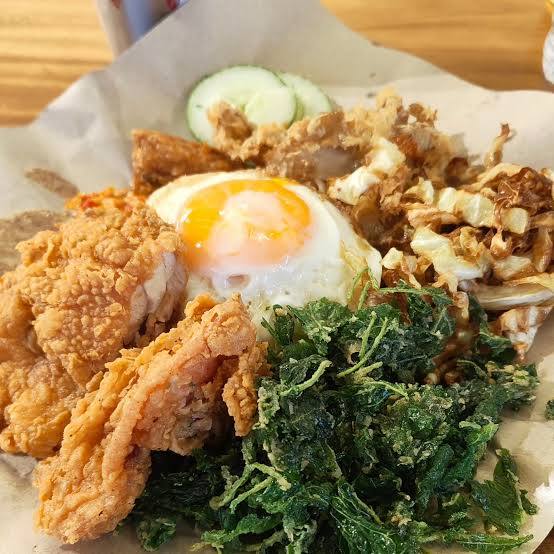
Indonesian Ayam Gepuk is a delicious, spicy, and satisfying dish featuring crispy fried chicken that is gently smashed and served with fiery chili sambal, fluffy white rice, crunchy fried oyster mushrooms, tender leafy greens, and a golden fried egg.
This popular Indonesian-style meal is known for its combination of bold flavors, aromatic spices, and contrasting textures.
The chicken is seasoned with garlic, turmeric, coriander, salt, and black pepper before being coated in a mixture of flour and cornstarch.
It is then fried until the exterior becomes golden and crispy while the meat inside remains tender and juicy.
After frying, the chicken is gently flattened using a pestle or another suitable kitchen tool. This smashing technique helps create the characteristic appearance of Ayam Gepuk and allows the sambal to spread across the chicken.
One of the most distinctive elements of this recipe is the spicy sambal.
Made with red bird’s eye chilies, garlic, salt, sugar, and optional roasted cashew nuts, the sambal delivers intense heat, savory depth, and a slightly nutty flavor.
Hot oil is added to the freshly ground chili mixture to release its aromas and create a flavorful condiment.
The dish also includes crispy oyster mushrooms, which provide an additional crunchy element.
Fresh oyster mushrooms are torn into thin strands, coated in seasoned flour, and fried until golden.
A sunny-side-up egg adds richness, while lightly cooked leafy greens provide freshness and balance.
Everything is served over steamed white rice, creating a complete and satisfying meal.
Ayam Gepuk is particularly appealing to people who enjoy spicy food, crispy chicken, and flavorful rice dishes.
Although the recipe includes several components, each one can be prepared separately and assembled into a beautiful restaurant-style platter.
2. Origin and Cultural Significance
Ayam Gepuk originates from Indonesia, a country known for its diverse culinary traditions, aromatic spices, and extensive use of chili-based condiments.
Indonesian cuisine includes a wide variety of chicken dishes, many of which combine marinated poultry, fragrant seasonings, rice, and sambal.
The Meaning of Ayam Gepuk
In Indonesian, ayam means chicken.
Gepuk refers to a pounding or smashing technique.
The name describes the preparation method in which cooked chicken is gently flattened or pounded.
This technique is an important characteristic of the dish.
Ayam Gepuk and Ayam Geprek
Ayam Gepuk is closely related to other Indonesian smashed chicken preparations, particularly Ayam Geprek.
Both dishes feature chicken served with spicy sambal.
However, recipes and regional interpretations vary.
Ayam Geprek commonly features crispy battered chicken that is smashed together with sambal.
Ayam Gepuk may use differently seasoned or prepared chicken, depending on the restaurant or household.
The version presented here combines a crispy flour coating with the gentle smashing technique.
The Importance of Sambal
Sambal is a fundamental condiment in Indonesian cooking.
It can be prepared using fresh chilies, garlic, shallots, tomatoes, shrimp paste, nuts, and other ingredients.
Different regions and households prepare their own variations.
The sambal used in this recipe is a simple garlic-and-chili preparation with optional cashew nuts.
Rice in Indonesian Cuisine
Rice is a staple food in Indonesia.
It is frequently served with chicken, fish, vegetables, eggs, and sambal.
Its mild flavor helps balance intensely seasoned dishes.
Fried Chicken Traditions
Indonesian fried chicken, commonly known as ayam goreng, appears in many regional variations.
Some recipes involve simmering chicken in spices before frying, while others use marinades and coatings.
This recipe uses a seasoned flour-and-cornstarch coating to create a crisp exterior.
A Modern Restaurant-Style Platter
The addition of fried oyster mushrooms, a sunny-side-up egg, and cooked greens creates a generous modern platter.
These accompaniments complement the chicken while introducing different textures and flavors.
The result is an Indonesian-inspired meal that combines traditional flavor elements with a contemporary presentation.
3. Ingredients
The supplied preparation does not specify exact quantities or a serving yield. The measurements below are suggested proportions for making two generous platters.
A. Crispy Fried Chicken
| Ingredient | Quantity |
|---|---|
| Boneless chicken thighs | 2 large pieces, approximately 400–500 g |
| Garlic, minced into a paste | 3 cloves |
| Ground turmeric | ½ teaspoon |
| Ground coriander | 1 teaspoon |
| Salt | ¾ teaspoon |
| Black pepper | ½ teaspoon |
| All-purpose flour | ½ cup |
| Cornstarch | ½ cup |
| Cold water | Approximately ⅓–½ cup, if making a wet batter |
| Neutral frying oil | As needed |
B. Crispy Fried Oyster Mushrooms
| Ingredient | Quantity |
|---|---|
| Fresh grey oyster mushrooms | 200 g |
| Seasoned flour and cornstarch mixture | Approximately ½ cup, prepared separately from the raw chicken coating |
| Garlic powder | ¼ teaspoon |
| Salt | A pinch |
| Black pepper | A pinch |
| Neutral frying oil | As needed |
C. Spicy Chili Sambal
| Ingredient | Quantity |
|---|---|
| Red bird’s eye chilies | 8–12, or to taste |
| Garlic cloves | 3 |
| Salt | ¼ teaspoon, or to taste |
| Sugar | ½ teaspoon |
| Roasted cashew nuts | 2 tablespoons, optional |
| Hot cooking oil | 2 tablespoons |
D. Fried Eggs
| Ingredient | Quantity |
|---|---|
| Eggs | 2 |
| Cooking oil | 1 tablespoon |
| Salt | A small pinch, optional |
E. Leafy Greens
| Ingredient | Quantity |
|---|---|
| Water spinach (kangkung) or sweet potato leaves | 150–200 g |
| Garlic, minced | 2 cloves |
| Cooking oil | 1 teaspoon |
| Salt | To taste |
| Water | As needed for blanching |
If using cassava leaves instead, they require proper preparation and thorough cooking; they should not be treated as interchangeable with quick-cooking spinach.
F. Rice
| Ingredient | Quantity |
|---|---|
| White rice, uncooked | 1 cup |
| Water | According to rice package instructions |
G. Equipment
- Large mixing bowls
- Cutting board
- Sharp kitchen knife
- Mortar and pestle
- Deep frying pan or heavy-bottomed pot
- Cooking thermometer
- Kitchen tongs
- Slotted spoon
- Wire cooling rack
- Paper towels
- Saucepan with lid
- Small frying pan
- Measuring cups and spoons
- Two large serving plates
4. Optional Additions
Ayam Gepuk can be customized with additional ingredients and accompaniments.
Extra Bird’s Eye Chilies: Increase the number of chilies for a hotter sambal.
Red Cayenne Chilies: Replace some bird’s eye chilies with larger red chilies for a milder flavor.
Roasted Cashews: Add cashews to create a richer, nuttier sambal.
Lime Juice: Squeeze fresh lime over the chicken before serving.
Fried Shallots: Sprinkle over the rice for additional crunch.
Fresh Cucumber: Serve sliced cucumber alongside the spicy sambal.
Cabbage: Add lightly blanched or fresh cabbage.
Green Beans: Include tender cooked green beans.
Tofu: Add crispy fried tofu as another protein option.
Tempeh: Serve fried tempeh alongside the chicken.
Extra Garlic: Add more garlic to the chicken marinade.
Ground White Pepper: Use instead of black pepper for a different aromatic profile.
Lemongrass: Add finely minced lemongrass to the marinade.
Kaffir Lime Leaves: Add finely sliced leaves for a citrus aroma.
Sweet Soy Sauce: Serve a little Indonesian kecap manis on the side.
Extra Crispy Mushrooms: Increase the oyster mushroom quantity for a larger crunchy topping.
Additional Fried Egg: Add another egg for a heartier serving.
5. Tips for Success
Choose Boneless Chicken Thighs
Chicken thighs are naturally juicy and work well for frying.
Flatten the Chicken Evenly
Gently pounding the chicken before marinating helps it cook more evenly.
Marinate for Better Flavor
Allowing the spices to rest on the chicken helps develop flavor.
Use Cornstarch for Crispness
Cornstarch contributes to a lighter, crunchier coating.
Avoid Excessively Thick Batter
A thick coating can become heavy and may separate from the chicken.
Maintain the Correct Oil Temperature
A frying temperature around 350°F (175°C) works well for crispy chicken.
Fry in Batches
Overcrowding lowers the oil temperature and can make the coating greasy.
Cook the Chicken Thoroughly
Chicken must reach an internal temperature of 165°F (74°C).
Smash Gently
The chicken should be flattened slightly without being completely shredded.
Dry the Mushrooms
Excess moisture can prevent the mushroom coating from becoming crisp.
Tear Mushrooms into Thin Strands
Smaller strands fry more evenly.
Use Fresh Oil for the Sambal
A little clean hot oil helps release the aroma of the chilies and garlic.
Adjust the Sambal Heat
Bird’s eye chilies can be extremely spicy, so begin with fewer chilies if necessary.
Cook the Greens Briefly
Water spinach and sweet potato leaves become tender quickly.
Prepare Rice Before Frying
Having the rice ready allows the chicken and mushrooms to be served while crispy.
Serve Immediately
The fried components are best enjoyed shortly after cooking.
6. Step-by-Step Instructions
Part A: Preparing the Ingredients
Step 1: Gather all ingredients and equipment.
Step 2: Place the chicken thighs on a clean cutting board.
Step 3: Prepare the garlic, turmeric, coriander, salt, and pepper.
Step 4: Measure the flour and cornstarch.
Step 5: Wash the oyster mushrooms if necessary, then dry thoroughly.
Step 6: Prepare the chilies and garlic for the sambal.
Step 7: Wash the leafy greens.
Step 8: Measure the rice.
Step 9: Set out two large serving plates.
Part B: Preparing the Chicken
Step 10: Remove the chicken thighs from their packaging.
Step 11: Pat them dry with paper towels.
Step 12: Trim away excess fat if desired.
Step 13: Place one thigh between two sheets of suitable food-safe wrapping.
Step 14: Gently pound the thickest part using a meat mallet.
Step 15: Flatten the chicken slightly.
Step 16: Avoid tearing the meat.
Step 17: Repeat with the second thigh.
Step 18: Transfer the chicken to a mixing bowl.
Part C: Preparing the Marinade
Step 19: Peel 3 garlic cloves.
Step 20: Mince or crush them into a paste.
Step 21: Add the garlic paste to the chicken.
Step 22: Sprinkle with ground turmeric.
Step 23: Add ground coriander.
Step 24: Add salt.
Step 25: Add black pepper.
Step 26: Rub the seasonings over both sides of the chicken.
Step 27: Make sure the chicken is evenly coated.
Step 28: Cover the bowl.
Step 29: Refrigerate for approximately 20–30 minutes if time allows.
Part D: Cooking the Rice
Step 30: Measure 1 cup uncooked white rice.
Step 31: Place the rice in a strainer.
Step 32: Rinse under cold water.
Step 33: Continue until the water becomes less cloudy.
Step 34: Drain thoroughly.
Step 35: Transfer the rice to a saucepan.
Step 36: Add the recommended quantity of water.
Step 37: Bring to a boil.
Step 38: Reduce the heat.
Step 39: Cover the saucepan.
Step 40: Cook according to package instructions.
Step 41: Remove from the heat when tender.
Step 42: Let the rice rest briefly.
Step 43: Fluff with a fork.
Step 44: Keep warm.
Part E: Preparing the Chicken Coating
Step 45: Place ½ cup all-purpose flour in a bowl.
Step 46: Add ½ cup cornstarch.
Step 47: Add a small pinch of salt.
Step 48: Sprinkle in a little black pepper.
Step 49: Mix thoroughly.
Step 50: Divide the coating into two clean portions, reserving one for the mushrooms.
Step 51: For a batter-style coating, gradually add cold water to the chicken portion.
Step 52: Stir until it forms a coating that clings to the chicken.
Step 53: Avoid making the batter excessively thin.
Part F: Heating the Frying Oil
Step 54: Place a heavy-bottomed pot or deep frying pan on the stove.
Step 55: Add enough neutral oil for deep-frying.
Step 56: Heat gradually.
Step 57: Use a cooking thermometer to monitor the temperature.
Step 58: Aim for approximately 350°F (175°C).
Step 59: Keep the pot stable and avoid overfilling it with oil.
Part G: Coating the Chicken
Step 60: Remove the marinated chicken from the refrigerator.
Step 61: Dip one piece into the prepared coating.
Step 62: Turn it to cover all sides.
Step 63: Allow excess batter to drip away.
Step 64: Repeat with the second piece.
Step 65: Prepare to transfer the chicken carefully into the oil.
Part H: Frying the Chicken
Step 66: Carefully lower the first coated chicken thigh into the hot oil.
Step 67: Add the second piece if there is enough space.
Step 68: Avoid overcrowding.
Step 69: Fry until the coating begins turning golden.
Step 70: Turn the chicken occasionally for even browning.
Step 71: Maintain a steady oil temperature.
Step 72: Continue frying until deeply golden and crisp.
Step 73: Check the thickest part with a thermometer.
Step 74: Confirm the chicken reaches 165°F (74°C).
Step 75: Continue frying if necessary.
Step 76: Remove the cooked chicken using tongs.
Step 77: Transfer to a wire rack.
Step 78: Allow excess oil to drain.
Part I: Smashing the Chicken
Step 79: Place the cooked chicken on a clean, sturdy surface.
Step 80: Allow it to cool just enough for safe handling.
Step 81: Position a clean pestle or flat kitchen tool over the chicken.
Step 82: Press gently to flatten it.
Step 83: Avoid breaking the chicken into very small pieces.
Step 84: Repeat with the second piece.
Step 85: Set the smashed chicken aside.
Part J: Preparing the Oyster Mushrooms
Step 86: Place the oyster mushrooms on a cutting board.
Step 87: Remove any tough stem bases.
Step 88: Tear the mushrooms into thin strands.
Step 89: Check for large pieces.
Step 90: Pat the mushrooms dry.
Step 91: Place them in a clean bowl.
Part K: Coating the Mushrooms
Step 92: Take the reserved clean flour-and-cornstarch mixture.
Step 93: Add garlic powder.
Step 94: Add a pinch of salt.
Step 95: Add a pinch of black pepper.
Step 96: Mix thoroughly.
Step 97: Add the mushroom strands.
Step 98: Toss gently until lightly coated.
Step 99: Shake off excess flour.
Part L: Frying the Oyster Mushrooms
Step 100: Heat the frying oil to approximately 350°F (175°C).
Step 101: Add a small batch of coated mushrooms.
Step 102: Fry for approximately 2–3 minutes.
Step 103: Stir gently to prevent clumping.
Step 104: Watch for a golden-brown color.
Step 105: Remove when crisp.
Step 106: Transfer to a wire rack.
Step 107: Repeat with the remaining mushrooms.
Step 108: Allow excess oil to drain.
Part M: Preparing the Sambal Ingredients
Step 109: Wash the bird’s eye chilies.
Step 110: Remove the stems.
Step 111: Peel the garlic cloves.
Step 112: Prepare a mortar and pestle.
Step 113: Measure the salt.
Step 114: Measure the sugar.
Step 115: Prepare the roasted cashew nuts if using.
Part N: Grinding the Sambal
Step 116: Place the chilies in the mortar.
Step 117: Add the garlic cloves.
Step 118: Sprinkle in the salt.
Step 119: Add the sugar.
Step 120: Begin grinding with the pestle.
Step 121: Crush the chilies and garlic into a coarse paste.
Step 122: Continue until the ingredients are well combined.
Step 123: Add roasted cashew nuts if desired.
Step 124: Grind again until the nuts are incorporated.
Step 125: Transfer the sambal to a heatproof bowl.
Part O: Finishing the Sambal
Step 126: Heat approximately 2 tablespoons of clean cooking oil in a small saucepan.
Step 127: Heat until very hot but not smoking.
Step 128: Carefully pour the hot oil over the sambal in a heatproof bowl.
Step 129: Keep your hands and face away from potential splattering.
Step 130: Stir gently.
Step 131: Allow the mixture to settle.
Step 132: Taste cautiously after cooling slightly.
Step 133: Adjust the salt or sugar if necessary.
Part P: Preparing the Greens
Step 134: Wash the water spinach or sweet potato leaves thoroughly.
Step 135: Remove damaged leaves.
Step 136: Trim tough stems.
Step 137: Bring a pot of water to a boil.
Step 138: Add the greens.
Step 139: Blanch briefly until tender.
Step 140: Drain thoroughly.
Step 141: Heat 1 teaspoon oil in a skillet.
Step 142: Add minced garlic.
Step 143: Cook until fragrant.
Step 144: Add the blanched greens.
Step 145: Toss briefly.
Step 146: Season lightly with salt.
Step 147: Remove from the heat.
Part Q: Frying the Eggs
Step 148: Place a clean frying pan over medium heat.
Step 149: Add approximately 1 tablespoon oil.
Step 150: Allow the oil to warm.
Step 151: Crack the first egg into the pan.
Step 152: Add the second egg if space allows.
Step 153: Cook until the whites are fully set.
Step 154: For a soft-yolk version, remove when the whites are set and the yolks remain soft.
Step 155: For a lower-risk preparation, cook until the yolks are firm.
Step 156: Transfer the eggs carefully to a plate.
Part R: Assembling the First Platter
Step 157: Place the first serving plate on the countertop.
Step 158: Spoon half the cooked rice onto the plate.
Step 159: Arrange one piece of smashed fried chicken beside the rice.
Step 160: Add a generous portion of crispy oyster mushrooms.
Step 161: Place a serving of cooked greens alongside.
Step 162: Add one fried egg.
Step 163: Spoon some chili sambal beside or over the chicken.
Part S: Assembling the Second Platter
Step 164: Place the second serving plate beside the first.
Step 165: Add the remaining rice.
Step 166: Arrange the second smashed chicken thigh.
Step 167: Add the remaining crispy mushrooms.
Step 168: Add the remaining greens.
Step 169: Place the second fried egg on the plate.
Step 170: Add the remaining sambal according to preference.
Part T: Final Presentation
Step 171: Check that both platters contain all components.
Step 172: Arrange the crispy mushrooms in a small pile.
Step 173: Keep the sambal visible.
Step 174: Position the egg so the golden yolk is visible.
Step 175: Make sure the rice remains fluffy.
Step 176: Serve immediately while the chicken and mushrooms are crispy.
7. Description
Ayam Gepuk is a bold and satisfying Indonesian-style dish featuring crispy smashed chicken, spicy sambal, crunchy oyster mushrooms, fluffy rice, leafy greens, and a fried egg.
The chicken has a golden-brown exterior with a crisp coating.
Inside, the meat remains tender and juicy.
Garlic, turmeric, coriander, and black pepper create a warm, aromatic flavor.
The smashing technique gives the chicken a slightly flattened appearance and helps the sambal spread across its surface.
The sambal is vibrant red, spicy, garlicky, and intensely aromatic.
Optional roasted cashew nuts contribute a rich, nutty character.
The fried oyster mushrooms are light, crunchy, and golden.
Their thin strands create an appealing contrast with the juicy chicken.
The fried egg adds richness, while the cooked greens provide a softer, fresher element.
White rice balances the spicy sambal and absorbs the savory flavors.
The finished platter combines crispy, tender, spicy, savory, and creamy textures in one meal.
8. Nutritional Information
Approximate nutritional values per serving, assuming the suggested quantities are divided into two platters:
| Nutrient | Estimated Amount |
|---|---|
| Calories | 950–1,300 kcal |
| Protein | 45–65 g |
| Carbohydrates | 75–105 g |
| Total Fat | 45–75 g |
| Saturated Fat | 8–15 g |
| Fiber | 5–9 g |
| Sugar | 3–7 g |
| Sodium | Variable |
| Iron | Present |
| Potassium | Present |
| Vitamin A | Present in Greens |
| Vitamin B12 | Present in Chicken and Egg |
These are broad estimates, not laboratory-calculated values. The amount of frying oil absorbed by the chicken and mushrooms can significantly affect the calorie and fat content.
9. Recipe Details
| Category | Details |
|---|---|
| Recipe Name | Indonesian Ayam Gepuk |
| Alternative Name | Crispy Smashed Chicken with Sambal |
| Cuisine | Indonesian-Inspired |
| Preparation Time | Approximately 30 Minutes |
| Marinating Time | 20–30 Minutes, Optional |
| Cooking Time | Approximately 35–45 Minutes |
| Total Time | Approximately 1 Hour 15 Minutes |
| Servings | 2 Generous Platters |
| Difficulty | Intermediate |
| Main Protein | Boneless Chicken Thighs |
| Main Grain | White Rice |
| Main Sauce | Spicy Chili Sambal |
| Main Vegetables | Leafy Greens |
| Crispy Side | Fried Oyster Mushrooms |
| Additional Protein | Fried Egg |
| Cooking Method | Deep-Frying, Smashing, Blanching, Stir-Frying |
| Frying Temperature | Approximately 350°F (175°C) |
| Chicken Internal Temperature | 165°F (74°C) |
| Flavor Profile | Spicy, Garlicky, Savory, Aromatic |
| Texture | Crispy, Tender, Crunchy, Fluffy |
| Course | Main Dish |
| Best For | Lunch, Dinner, Indonesian-Inspired Meals |
| Potential Allergens | Wheat, Egg, Optional Cashews |
10. Conclusion
Indonesian Ayam Gepuk is a flavorful and satisfying dish that combines crispy fried chicken with spicy sambal and a variety of delicious accompaniments.
The chicken is marinated with garlic, turmeric, coriander, salt, and pepper before being coated and fried until golden.
After cooking, it is gently smashed to create the characteristic flattened appearance.
The spicy sambal adds bold chili and garlic flavors.
Crispy oyster mushrooms provide additional crunch, while the fried egg contributes richness.
Cooked leafy greens offer freshness and balance.
Fluffy white rice completes the platter.
Although the dish requires several preparation steps, each component is straightforward.
The result is a colorful and satisfying meal that highlights the bold flavors and contrasting textures associated with Indonesian cooking.
Ayam Gepuk is especially enjoyable for people who appreciate crispy chicken, spicy sauces, and generous rice platters.
11. Serving and Storage Recommendations
Serve Fresh: Enjoy the chicken and mushrooms immediately after frying.
Warm Rice: Serve the rice hot and fluffy.
Spicy Sambal: Adjust the amount according to heat preference.
Extra Lime: Add fresh lime juice for brightness.
Cucumber Slices: Serve alongside to balance the chili heat.
Fried Shallots: Sprinkle over the rice if desired.
Crispy Mushrooms: Keep separate until serving to preserve their texture.
Egg: Prepare the fried egg shortly before assembling the platter.
Refrigeration: Store cooked chicken in an airtight container for up to 3–4 days.
Mushrooms: Refrigerate leftover fried mushrooms separately and reheat until hot.
Rice: Cool promptly and refrigerate. For conservative rice safety, use refrigerated rice within 24 hours and reheat only once.
Sambal: Store in a clean airtight container in the refrigerator and use promptly. Because this version contains fresh garlic and chilies mixed with oil, do not store it at room temperature.
Freezing: Cooked chicken can be frozen for approximately 2–3 months for best quality.
Reheating Chicken: Use an oven or air fryer to help restore crispness and heat to 165°F (74°C).
Reheating Mushrooms: Reheat in an oven or air fryer rather than a microwave when possible.
Food Safety: Refrigerate perishable leftovers within 2 hours.
Egg Safety: Fully cooked eggs are the safer choice for pregnant people, young children, older adults, and immunocompromised individuals.
12. Embracing Healthful Indulgence
Ayam Gepuk is a rich, satisfying meal featuring protein, carbohydrates, vegetables, and aromatic spices.
Although it is traditionally enjoyed as a flavorful comfort food, its components also provide a variety of nutrients.
Protein from Chicken
Chicken thighs provide complete protein.
Protein supports normal muscle maintenance, tissue repair, and other essential functions.
Nutrients from Eggs
Eggs contribute protein, vitamin B12, choline, and other nutrients.
They also add richness and flavor to the platter.
Oyster Mushrooms
Oyster mushrooms provide dietary fiber and small amounts of protein.
They also contribute B vitamins and minerals.
Frying increases their calorie content, but they remain a flavorful vegetable-based component.
Leafy Greens
Water spinach and sweet potato leaves provide vitamins, minerals, and fiber.
Their presence adds variety to the meal.
Rice as an Energy Source
White rice provides carbohydrates that supply energy.
Its mild flavor balances the spicy sambal.
Spices and Aromatics
Garlic, turmeric, coriander, and chilies contribute distinctive flavors and aromas.
These ingredients are important for the culinary character of the dish, although they should not be viewed as substitutes for medical treatments.
Understanding Fried Foods
Deep-frying creates a crispy texture but also increases the amount of fat and energy in the finished meal.
The amount absorbed depends on the coating, frying temperature, cooking time, and draining method.
Balancing the Platter
Serving a moderate portion of fried chicken with rice and plenty of cooked vegetables can help create a more varied meal.
Additional fresh vegetables may also provide a refreshing contrast to the rich fried components.
Adjusting the Spice Level
Bird’s eye chilies are very hot.
The sambal can be made milder by reducing the number of chilies.
Enjoying Traditional Flavors
Ayam Gepuk showcases the importance of sambal, aromatic seasonings, and rice in Indonesian-inspired cooking.
Its combination of crispy chicken, spicy chili paste, crunchy mushrooms, tender greens, and fried egg makes it a memorable and satisfying meal.
Enjoyed in suitable portions and alongside a variety of vegetables, Ayam Gepuk can be a delicious occasional indulgence that celebrates the bold flavors of Indonesian cuisine.