
1. Introduction
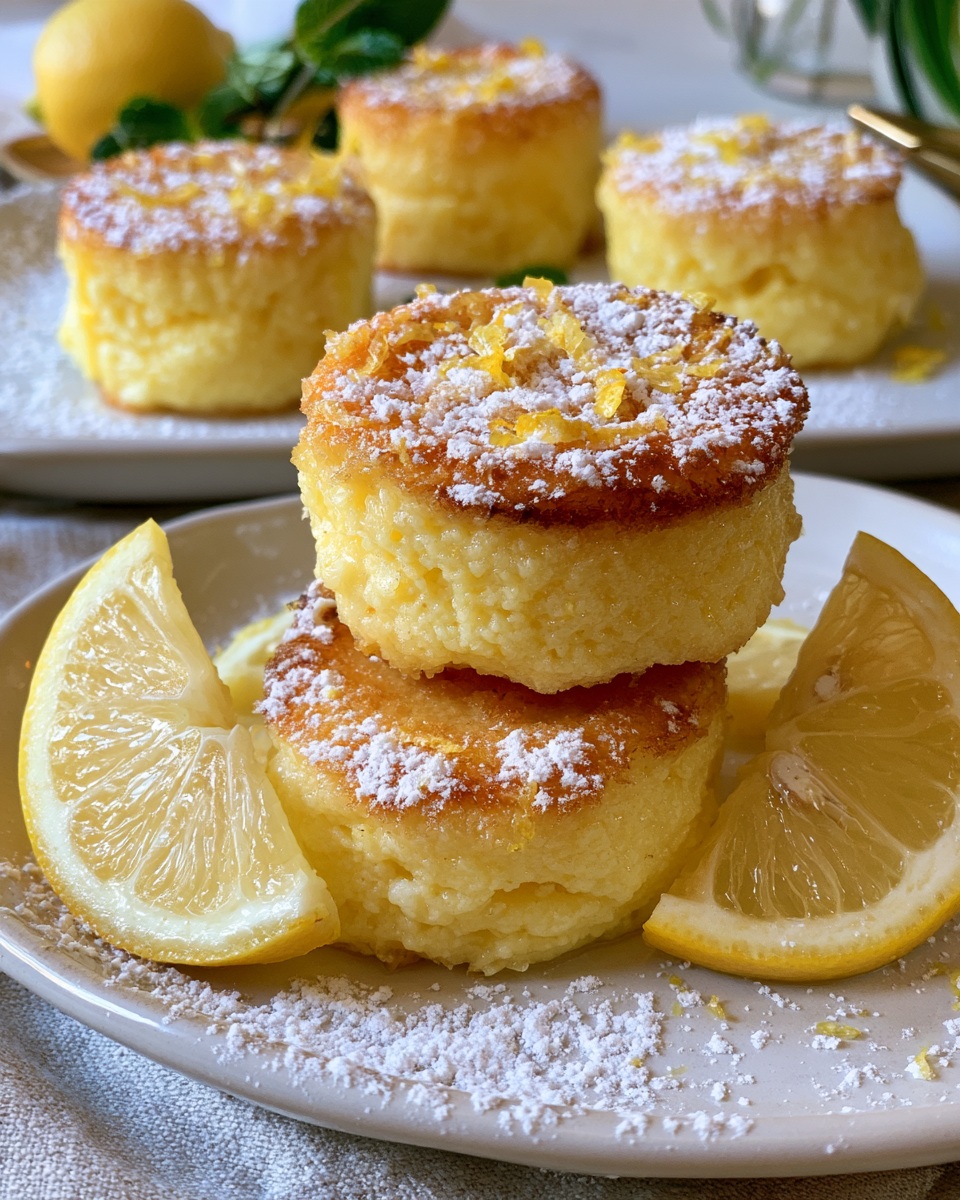
Mini Lemon Cakes with Powdered Sugar are bright, tender little cakes with a soft buttery crumb and plenty of fresh lemon flavor. Each cake combines the comforting richness of a classic butter cake with the refreshing taste of lemon, then gets finished with a simple dusting of powdered sugar and a touch of lemon zest.
These petite cakes are ideal for afternoon tea, brunch, spring and summer gatherings, or whenever you want a simple homemade dessert that looks elegant without requiring complicated decorating. Their individual size also makes them easy to serve and share.
2. Origin
Lemon cakes have long been popular in European and American baking traditions, where fresh citrus is often used to add brightness to butter-based cakes and pastries. The combination of lemon zest, lemon juice, butter, and sugar is especially appealing because the citrus cuts through the richness of the cake while adding a naturally fresh aroma.
These mini cakes are a simple modern take on that classic flavor combination. Instead of making one large cake, the batter is portioned into smaller cakes, creating individual servings with lightly golden edges and a tender center.
3. Cultural Significance
Lemon desserts are closely associated with home baking, afternoon tea, celebrations, and seasonal entertaining. In many baking traditions, lemon is valued for its ability to make rich desserts taste lighter and more refreshing.
Mini cakes also fit beautifully into the tradition of serving individual pastries at tea parties, brunches, showers, and family gatherings. Their small size makes them especially suitable for dessert tables where guests can enjoy a sweet bite without needing to slice a large cake.
4. Ingredients and Quantities
For the Cakes
- 1½ cups all-purpose flour
- 1½ teaspoons baking powder
- ¼ teaspoon salt
- ½ cup unsalted butter, softened
- ¾ cup granulated sugar
- 2 large eggs
- ½ cup milk
- 2 tablespoons fresh lemon juice
- 1 tablespoon finely grated lemon zest
- 1 teaspoon vanilla extract
For the Topping
- ½ cup powdered sugar
- 1 tablespoon lemon zest
- Lemon wedges, for serving
The combination of lemon juice and zest gives these cakes a balanced citrus flavor. The zest provides concentrated lemon aroma, while the juice contributes brightness and a subtle tang.
For the best texture, use softened butter rather than melted butter. Soft butter creams more effectively with sugar, helping create a light and tender crumb.
5. Optional Additions
These cakes are delicious as written, but you can easily customize them:
- Add a small amount of extra lemon zest for a stronger citrus aroma.
- Drizzle the cooled cakes with a simple lemon glaze made from powdered sugar and lemon juice.
- Add fresh berries such as blueberries or raspberries when serving.
- Add a little extra vanilla for a softer, more rounded flavor.
- Serve with lightly sweetened whipped cream for a more elaborate dessert.
- Add finely chopped pistachios or almonds as a garnish.
6. Tips for Success
Use room-temperature ingredients. Softened butter and room-temperature eggs combine more smoothly and help create an even batter.
Do not overmix the batter. Once the flour is incorporated, mix only until everything is combined. Overmixing can make the cakes denser.
Zest the lemon before squeezing it. Whole lemons are much easier to zest, and you’ll get the most flavorful outer peel.
Use fresh lemon juice. Freshly squeezed lemon juice gives the cakes a cleaner, brighter flavor than bottled juice.
Grease the mini cake molds well. Make sure the butter or cooking spray reaches the corners and sides so the cakes release easily.
Let the cakes cool before adding powdered sugar. If the cakes are still hot, the sugar can dissolve into the surface instead of creating a pretty finishing layer.
7. Instructions
Step 1: Prepare the Oven
Preheat the oven to 350°F (175°C). Grease a mini cake pan or individual small cake molds thoroughly.
Step 2: Combine the Dry Ingredients
In a medium bowl, whisk together the flour, baking powder, and salt. Set aside.
Step 3: Cream the Butter and Sugar
In a large mixing bowl, beat the softened butter and granulated sugar until light and creamy. This usually takes about 2–3 minutes with an electric mixer.
Step 4: Add the Eggs
Beat in the eggs one at a time, mixing well after each addition. Add the vanilla extract and mix until incorporated.
Step 5: Add the Lemon
Mix in the fresh lemon juice and lemon zest. The mixture may look slightly separated at this stage, which is fine.
Step 6: Combine the Batter
Add the dry ingredients gradually, alternating with the milk. Begin and finish with the flour mixture. Mix just until the batter is smooth and no large streaks of flour remain.
Step 7: Fill the Molds
Divide the batter evenly among the prepared mini cake molds, filling each one approximately two-thirds full. This gives the cakes enough room to rise without overflowing.
Step 8: Bake
Bake for approximately 15–20 minutes, depending on the size of your molds. The cakes are ready when the tops are lightly golden and a toothpick inserted into the center comes out clean or with a few moist crumbs.
Step 9: Cool
Allow the cakes to cool in the pan for several minutes before carefully transferring them to a wire rack. Let them cool completely before decorating.
Step 10: Finish with Powdered Sugar
Once cooled, generously dust the cakes with powdered sugar. Sprinkle with fresh lemon zest and serve with lemon wedges if desired.
8. Description
These Mini Lemon Cakes are soft, buttery, and wonderfully fragrant. The crumb is tender without being overly rich, while fresh lemon juice and zest give every bite a bright citrus character.
The powdered sugar provides a delicate sweetness and creates an elegant finish without the need for a heavy frosting. A little fresh lemon zest on top makes the cakes especially inviting and adds an extra burst of citrus aroma.
Because they are individually portioned, these cakes are perfect for serving at brunches, afternoon tea, birthday gatherings, baby showers, or casual family desserts.
9. Nutritional Information
Nutritional values will vary depending on the exact ingredients, mold size, and number of cakes produced. As a general estimate, one mini cake may provide approximately:
- Calories: 180–230
- Carbohydrates: 28–32 g
- Protein: 3–4 g
- Fat: 8–10 g
- Saturated fat: 5–6 g
- Sugar: 15–18 g
- Sodium: 100–150 mg
These values are approximate and should be adjusted according to the specific brands and portion sizes used.
10. Conclusion
Mini Lemon Cakes with Powdered Sugar are proof that a simple cake can still feel special. With everyday baking ingredients, fresh lemon, and a light powdered sugar finish, you can create a dessert that is both approachable and elegant.
The combination of buttery cake and bright citrus makes these little treats versatile enough for everyday snacking while still being beautiful enough for special occasions.
11. Recommendation
Serve these mini cakes slightly warm for a comforting dessert, or allow them to cool completely for a more refined presentation.
For afternoon tea, pair them with black tea, green tea, or a refreshing herbal tea. For brunch, serve them alongside fresh berries and yogurt. If you’re preparing them for guests, arrange the cakes on a serving platter and finish them with powdered sugar and fresh lemon zest just before serving.
They are also an excellent make-ahead dessert because the cakes can be baked in advance and decorated shortly before serving.
12. Embracing Healthful Indulgence
A homemade dessert can be enjoyed as part of a balanced approach to eating. These lemon cakes include familiar ingredients such as eggs, milk, butter, and fresh lemon, while the citrus adds natural flavor and aroma without needing an elaborate topping.
For a fresh serving idea, pair a mini cake with berries or other seasonal fruit. Keeping the cakes small also makes them naturally suited to individual portions, allowing their buttery lemon flavor to remain the focus.
Most importantly, homemade treats can be enjoyed for what they are: comforting, flavorful foods meant to be shared and appreciated.