
Introduction
Celebrate the comforting flavors of autumn with this creamy, flavorful savory pumpkin hummus, a seasonal twist on the traditional Mediterranean and Middle Eastern favorite. Combining tender chickpeas, smooth pumpkin puree, nutty tahini, fresh lemon juice, and aromatic spices, this delicious dip delivers a beautifully balanced combination of earthy sweetness, gentle warmth, and savory richness.
The pumpkin adds a velvety texture and a naturally vibrant golden-orange color, while the chickpeas provide the familiar hearty foundation of classic hummus. Tahini contributes a delicate nuttiness, fresh garlic brings a savory bite, and lemon juice introduces the brightness needed to balance the creamy ingredients.
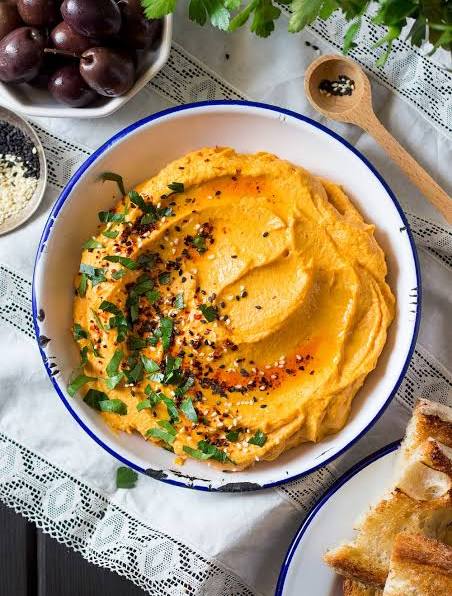
What makes this recipe especially appealing is its finishing touch. A generous sprinkling of toasted pumpkin seeds adds a pleasant crunch, while a drizzle of dark pumpkin seed oil or tangy pomegranate molasses creates an attractive contrast against the smooth pumpkin-colored surface.
Despite its elegant appearance, this hummus requires only a few accessible ingredients and approximately 10 minutes of preparation when using ready-made pumpkin puree. Everything comes together in a food processor, making it an excellent option for busy days, casual gatherings, and seasonal entertaining.
Whether served with warm pita bread, crunchy crackers, fresh vegetables, or as a flavorful spread for sandwiches and wraps, this savory pumpkin hummus is a versatile addition to any appetizer table.
Origin and Cultural Significance
Hummus has deep culinary roots in the Middle East, particularly throughout the Levant, where variations of mashed chickpeas blended with tahini, lemon juice, and garlic have been enjoyed for generations. The name hummus comes from the Arabic word for chickpeas, the ingredient that forms the foundation of the traditional dish.
Classic hummus is appreciated for its smooth texture, balanced flavors, and versatility. It is commonly served as part of a mezze spread alongside flatbread, vegetables, olives, and other small dishes intended for sharing.
Pumpkin hummus represents a modern seasonal adaptation of this traditional preparation. By incorporating pumpkin or winter squash, home cooks create a variation that combines familiar hummus ingredients with the gentle sweetness and earthy flavor associated with autumn produce.
Pumpkins originated in the Americas and became widely incorporated into cuisines around the world. Today, pumpkin and other winter squashes appear in both sweet and savory preparations, including soups, roasted vegetables, sauces, and dips.
The use of tahini, cumin, garlic, and lemon juice preserves the recognizable flavor profile of traditional hummus, while the pumpkin introduces a distinctive seasonal character.
Toasted pumpkin seeds provide an additional connection to the main ingredient, adding texture and highlighting the natural versatility of pumpkin. Finishing the dish with pumpkin seed oil creates a rich, nutty flavor, while pomegranate molasses offers a sweet-tart contrast inspired by flavors commonly used in Middle Eastern cooking.
Together, these ingredients create a contemporary appetizer that brings together traditional hummus techniques and seasonal culinary creativity.
Ingredients
For the Savory Pumpkin Hummus
- 1 can (15 oz or 425 g) chickpeas (garbanzo beans), drained and rinsed
- 1 cup (approximately 240 g) pure pumpkin puree, canned or prepared from roasted pumpkin
- ⅓ cup tahini, well stirred
- 2–3 tablespoons freshly squeezed lemon juice
- 2 garlic cloves, peeled and minced
- 1 tablespoon extra virgin olive oil
- ½ teaspoon ground cumin
- ½ teaspoon fine sea salt, or to taste
- ⅛ teaspoon freshly ground black pepper, optional
- 2–4 tablespoons cold water or reserved chickpea liquid, as needed for blending
- A pinch of smoked paprika or cayenne pepper, optional
Note: Use plain, unsweetened pumpkin puree rather than pumpkin pie filling, which contains sweeteners and spices intended for desserts. If using fresh pumpkin, roast it until tender, then puree it until smooth and allow it to cool before preparing the hummus.
For the Toasted Pumpkin Seed Garnish
- 2 tablespoons shelled pumpkin seeds (pepitas)
- 1 teaspoon extra virgin olive oil, optional, for toasting
- A small pinch of sea salt
- A pinch of smoked paprika, optional
For the Dark Oil or Molasses Drizzle
- 1–2 teaspoons toasted pumpkin seed oil, or
- 1–2 teaspoons pomegranate molasses
- 1 teaspoon chili oil, optional, as an alternative for a spicy finish
Note: Choose one main finishing drizzle according to your preference. Pumpkin seed oil creates a deeply nutty flavor, while pomegranate molasses introduces a tangy sweetness. Chili oil provides a spicier alternative.
For Serving
- Warm pita bread or pita chips
- Crackers or toasted flatbread
- Fresh cucumber slices
- Carrot sticks
- Bell pepper strips
- Celery sticks
- Fresh parsley or chopped herbs, optional
Optional Additions
- Roasted garlic: Replace the raw garlic with two or three roasted garlic cloves for a sweeter, mellower garlic flavor.
- Smoked paprika: Add an extra ¼ teaspoon to the hummus for a warm, smoky undertone.
- Cayenne pepper: Incorporate a small pinch for gentle heat without overwhelming the pumpkin flavor.
- Fresh sage: Add a small amount of finely chopped sage or garnish with crisp sage leaves for an autumn-inspired herbal aroma.
- Ground coriander: Use ¼ teaspoon to introduce a subtle citrusy, earthy flavor.
- Roasted butternut squash: Substitute an equal amount of smooth roasted butternut squash puree for the pumpkin.
- Lemon zest: Add ½ teaspoon of finely grated lemon zest for a brighter, more aromatic finish.
- Pomegranate seeds: Sprinkle a tablespoon of fresh pomegranate arils over the finished dip for bursts of juicy sweetness.
- Toasted sesame seeds: Combine with the pepitas for additional nutty flavor and crunch.
- Extra tahini: Blend in another tablespoon for an even richer and creamier consistency.
- Fresh herbs: Garnish with parsley, cilantro, or a little chopped rosemary to introduce color and freshness.
These optional ingredients allow you to customize the hummus for different occasions while maintaining the savory, creamy character of the original recipe.
Tips for Success
- Choose pure pumpkin puree: Plain pumpkin puree provides the best flavor and texture. Avoid sweetened pumpkin pie filling, which can make the hummus overly sweet.
- Drain and rinse the chickpeas thoroughly: Rinsing canned chickpeas removes excess canning liquid and can help control the saltiness of the finished dip.
- Use high-quality tahini: Well-stirred tahini contributes a smooth consistency and pleasant nutty flavor. Tahini that is excessively bitter may negatively affect the final taste.
- Blend long enough: Process the hummus for approximately 2–3 minutes, stopping occasionally to scrape down the sides, until it becomes smooth and creamy.
- Adjust the consistency gradually: Add cold water or reserved chickpea liquid one tablespoon at a time. Adding too much liquid at once may produce a watery dip.
- Balance the lemon juice carefully: Begin with 2 tablespoons, taste the hummus, and add more if necessary to brighten the flavor.
- Avoid excessive garlic: Fresh garlic becomes more noticeable as the hummus rests. Start with the recommended amount and adjust according to your preference.
- Toast the pumpkin seeds lightly: Toasting enhances their nutty flavor and creates a pleasant contrast against the creamy dip. Remove them from the heat as soon as they become fragrant.
- Keep the spices balanced: Pumpkin has a relatively mild flavor, so cumin, paprika, and other seasonings should complement rather than overpower it.
- Use fresh lemon juice: Freshly squeezed lemon juice generally provides a brighter flavor than bottled alternatives.
- Taste before garnishing: Adjust the salt, lemon juice, and spices after blending, when the ingredients are fully combined.
- Allow the hummus to rest if possible: Refrigerating it for 20–30 minutes can help the flavors meld, although the dip may also be served immediately.
- Add the garnish just before serving: Keeping the toasted pumpkin seeds separate until serving helps preserve their crunchy texture.
- Create decorative swirls: Use the back of a spoon to shape shallow grooves across the surface before adding the finishing drizzle.
- Serve at a pleasant temperature: Hummus can be served chilled or allowed to stand briefly after refrigeration for a creamier eating texture. Do not leave it unrefrigerated for extended periods.
Instructions
Step 1: Prepare the Chickpeas
Open the can of chickpeas and drain the liquid into a separate container if you plan to use some of it for adjusting the hummus consistency.
Transfer the chickpeas to a colander and rinse thoroughly under cool running water.
Shake the colander gently to remove excess moisture.
For an especially smooth hummus, you may remove some of the loose chickpea skins by rubbing the chickpeas gently between your fingers. This step is optional but can improve the final texture.
Place the drained chickpeas in the bowl of a food processor fitted with a metal blade.
Step 2: Prepare the Pumpkin Puree
Measure 1 cup of plain pumpkin puree.
If using canned pumpkin, stir it briefly to ensure the consistency is uniform.
For fresh pumpkin, use pumpkin that has been cooked until very tender, blended into a smooth puree, and cooled completely.
If the homemade puree contains excess liquid, drain it briefly through a fine-mesh strainer to prevent the hummus from becoming too thin.
Add the measured pumpkin puree to the food processor with the prepared chickpeas.
Step 3: Add the Tahini and Aromatic Ingredients
Spoon the tahini into the food processor.
Add the freshly squeezed lemon juice, minced garlic, and extra virgin olive oil.
The tahini provides richness and body, while the lemon juice balances the natural sweetness of the pumpkin.
Fresh garlic contributes a distinctive savory flavor that helps the dip maintain the familiar character of traditional hummus.
Make sure the tahini is thoroughly stirred before measuring, especially if natural oil has separated at the top of the container.
Step 4: Season the Hummus
Sprinkle the ground cumin, sea salt, and optional black pepper into the food processor.
If you prefer a lightly smoky flavor, add a small pinch of smoked paprika.
For a spicier variation, use a pinch of cayenne pepper instead.
Start with moderate seasoning because the flavor can be adjusted after blending.
Close the food processor lid securely before processing.
Step 5: Blend Until Smooth and Creamy
Process the mixture for approximately 2–3 minutes, stopping once or twice to scrape down the sides of the bowl with a spatula.
Continue blending until the chickpeas and pumpkin are fully incorporated and the mixture becomes thick, smooth, and velvety.
If the hummus appears too thick or the food processor struggles to blend it evenly, add 1 tablespoon of cold water or reserved chickpea liquid.
Blend again and repeat only as necessary.
The finished hummus should be creamy enough to spread easily with a spoon while remaining thick enough to hold gentle swirls on its surface.
Avoid adding excessive liquid, which can make the dip runny and reduce its rich texture.
Step 6: Taste and Adjust the Seasoning
Stop the food processor and taste a small spoonful of the hummus.
If the flavor seems too mild, add a little more salt or cumin.
For additional brightness, stir in another teaspoon or two of fresh lemon juice.
If you prefer a richer flavor, add a small amount of extra tahini or olive oil.
Blend for another 15–30 seconds to incorporate the adjustments.
The ideal flavor should be creamy and savory, with gentle pumpkin sweetness, nutty tahini, fresh lemon acidity, and a warm hint of cumin.
Step 7: Toast the Pumpkin Seeds
Place a small, dry skillet over medium-low heat.
Add the shelled pumpkin seeds in an even layer.
Toast for approximately 3–5 minutes, stirring frequently, until the seeds become fragrant and begin to turn lightly golden.
If desired, add 1 teaspoon of olive oil and a tiny pinch of salt or smoked paprika.
Watch carefully because pumpkin seeds can burn quickly once they begin to toast.
Remove the skillet from the heat and transfer the seeds to a small plate to cool.
The toasted pepitas should be crisp and pleasantly nutty.
Step 8: Prepare the Serving Bowl
Spoon the finished pumpkin hummus into a shallow glass or ceramic serving bowl.
Use a spoon or small spatula to spread the hummus evenly toward the edges.
Create a shallow indentation in the center, then use the back of the spoon to form decorative swirls around the surface.
These grooves help hold the finishing oil or molasses and give the dish an attractive presentation.
If you prefer a slightly firmer consistency, cover and refrigerate the hummus for approximately 20–30 minutes before garnishing.
Step 9: Add the Toasted Pumpkin Seeds
Scatter the cooled, toasted pumpkin seeds over the center of the hummus.
For a decorative finish, concentrate most of the seeds in a small mound while leaving the outer edges smooth.
You may also sprinkle a few seeds around the surface for a more natural, rustic appearance.
Add a small pinch of smoked paprika or finely chopped fresh parsley if desired.
The crunchy seeds provide texture and enhance the earthy, nutty character of the dip.
Step 10: Finish with the Dark Oil or Molasses Drizzle
Choose your preferred finishing ingredient: toasted pumpkin seed oil, pomegranate molasses, or chili oil.
Using a small spoon, drizzle approximately 1–2 teaspoons over the hummus, allowing the liquid to settle into the decorative swirls.
Toasted pumpkin seed oil offers a deeply nutty flavor and a dark green appearance.
Pomegranate molasses adds a glossy, dark drizzle with a pleasantly sweet-tart taste.
Chili oil creates a spicier variation that pairs well with the mild pumpkin and creamy tahini.
Avoid using too much finishing liquid, as a small amount is enough to add flavor and visual contrast.
Step 11: Serve the Savory Pumpkin Hummus
Place the finished hummus in the center of a serving platter.
Arrange warm pita bread, toasted flatbread, crackers, or fresh vegetables around the bowl.
For an especially colorful appetizer presentation, combine orange carrot sticks, green cucumber slices, red bell pepper strips, and golden pita chips.
Serve the dip immediately, or keep it covered and refrigerated until ready to enjoy.
The combination of smooth pumpkin hummus, crunchy toasted pepitas, and a dark finishing drizzle creates a beautiful seasonal appetizer suitable for everyday meals and special gatherings.
Optional Method: Prepare Hummus with Roasted Butternut Squash
For a delicious alternative, replace the pumpkin puree with 1 cup of cooked butternut squash puree.
Preheat the oven to 400°F (200°C).
Peel and cube approximately 1½–2 cups of raw butternut squash.
Toss the cubes lightly with olive oil and spread them in a single layer on a parchment-lined baking sheet.
Roast for approximately 25–35 minutes, turning once, until tender and lightly caramelized around the edges.
Allow the squash to cool, then blend until smooth.
Measure 1 cup of the puree and use it in place of the pumpkin.
Continue with the remaining ingredients and preparation steps as directed.
Roasted butternut squash produces a slightly sweeter, deeper flavor while maintaining the creamy consistency of the dip.
Description
Savory Pumpkin Hummus with Toasted Pepitas and Dark Oil Drizzle is a creamy, flavorful appetizer that combines traditional hummus ingredients with the comforting character of seasonal pumpkin.
The pumpkin puree contributes a smooth texture and warm golden-orange color, while chickpeas create a hearty foundation. Tahini brings richness and a gentle nutty flavor, balanced by the freshness of lemon juice and the aromatic intensity of garlic.
Ground cumin adds subtle warmth without overpowering the natural flavor of the pumpkin.
The finishing garnish transforms the simple dip into an attractive dish. Toasted pumpkin seeds provide a delicate crunch, while dark pumpkin seed oil adds an earthy, nutty finish. Alternatively, pomegranate molasses introduces a sweet-tart accent that contrasts beautifully with the creamy base.
The result is a satisfying, versatile spread that can be enjoyed with bread, vegetables, crackers, or incorporated into sandwiches and wraps.
With minimal preparation and no cooking required for the hummus itself, this recipe is ideal for both beginner cooks and experienced home cooks looking for a simple seasonal appetizer.
Nutritional Information
Approximate values per serving, assuming the recipe makes 6 servings and includes the hummus, toasted pumpkin seeds, and a small drizzle of pumpkin seed oil:
- Calories: 190–230 kcal
- Protein: 6–9 g
- Carbohydrates: 15–22 g
- Fat: 12–17 g
- Saturated Fat: 1.5–2.5 g
- Fiber: 4–6 g
- Sugar: 2–5 g
- Sodium: 180–350 mg
These values are estimates and may vary depending on the chickpea brand, tahini quantity, pumpkin puree, added salt, and choice of garnish.
Using pomegranate molasses instead of pumpkin seed oil may slightly increase the sugar content while reducing the amount of fat.
Fresh vegetables, pita bread, crackers, and other accompaniments are not included in these estimates.
Recipe Details
- Prep Time: 10 minutes
- Cook Time: 3–5 minutes for toasting pumpkin seeds
- Total Time: Approximately 15 minutes
- Servings: 4–6 servings
- Cuisine: Mediterranean and Middle Eastern-inspired
- Course: Appetizer, snack, dip, or spread
- Cooking Methods: Food processing, blending, and light toasting
- Difficulty: Easy
Conclusion
Savory Pumpkin Hummus with Toasted Pepitas and Dark Oil Drizzle is a delicious way to bring seasonal flavors into a familiar and versatile appetizer.
The combination of tender chickpeas, smooth pumpkin puree, nutty tahini, fresh lemon juice, garlic, and aromatic cumin creates a balanced dip that is both creamy and flavorful.
Toasted pumpkin seeds introduce a satisfying crunch, while the finishing drizzle of pumpkin seed oil or pomegranate molasses adds depth and an elegant appearance.
One of the best features of this recipe is its simplicity. With a food processor and a handful of pantry ingredients, you can prepare a fresh homemade dip in approximately 15 minutes.
Its versatility also makes it suitable for many occasions, from casual afternoon snacks to autumn gatherings, family dinners, and festive appetizer spreads.
Whether paired with warm pita bread, crisp vegetables, or used as a spread in wraps and sandwiches, this pumpkin hummus offers a comforting combination of savory flavors, creamy texture, and seasonal appeal.
Recommendation
For the best flavor and presentation, serve the pumpkin hummus in a shallow bowl with a generous sprinkling of freshly toasted pepitas and a light drizzle of your chosen finishing oil or molasses.
Warm pita wedges, homemade pita chips, and crisp fresh vegetables make excellent accompaniments. The dip also pairs beautifully with roasted vegetables, grain bowls, sandwiches, and Mediterranean-inspired wraps.
If preparing the hummus in advance, transfer it to an airtight container and refrigerate promptly. For best quality, enjoy homemade pumpkin hummus within 3–4 days.
Keep the toasted pumpkin seeds in a separate airtight container and add them immediately before serving so they remain crunchy.
The hummus may become slightly thicker after refrigeration. If necessary, stir in a small amount of cold water or lemon juice to restore its smooth consistency.
Avoid leaving the hummus at room temperature for more than 2 hours, or 1 hour when the surrounding temperature is above 90°F (32°C).
For freezing, place the hummus without the garnish in a freezer-safe airtight container, leaving a little space for expansion. Freeze for up to 2 months for best quality. Thaw overnight in the refrigerator and stir thoroughly before serving, as the texture may change slightly.
For a more elaborate appetizer board, surround the hummus with colorful vegetables, olives, toasted pita triangles, and fresh herbs.
The contrasting textures and rich seasonal colors make this dish particularly appealing for fall entertaining and holiday gatherings.
Embracing Healthful Indulgence
Savory pumpkin hummus offers a flavorful way to incorporate plant-based ingredients into everyday meals and snacks.
Chickpeas provide plant protein, dietary fiber, and important nutrients, while pumpkin contributes beta-carotene, which the body can convert into vitamin A. Together, these ingredients create a satisfying dip with nutritional benefits beyond its appealing taste.
Tahini and pumpkin seeds provide unsaturated fats, along with minerals such as magnesium and iron. Extra virgin olive oil contributes additional unsaturated fats and enhances the smooth texture of the hummus.
The recipe is naturally dairy-free and can be suitable for vegan and vegetarian eating patterns when prepared with the ingredients listed.
For a lighter variation, reduce the amount of added oil and use cold water or chickpea liquid to adjust the consistency. You can also moderate the amount of tahini while maintaining enough to preserve the characteristic nutty flavor.
Serving the hummus with carrots, cucumbers, bell peppers, or other fresh vegetables adds variety and provides a colorful alternative to pairing it exclusively with bread or crackers.
For a more substantial snack, combine the dip with whole-grain pita bread and fresh vegetables.
Although the ingredients provide valuable nutrients, portion sizes can still be adjusted according to individual preferences and dietary needs, especially because tahini, seeds, and oils are relatively energy-dense.
Ultimately, this savory pumpkin hummus demonstrates how simple, wholesome ingredients can create a creamy, satisfying, and visually appealing dish. Enjoying it alongside a variety of vegetables, grains, and other nourishing foods makes it a delicious addition to a balanced eating pattern.