
Introduction
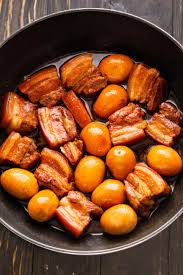
Tau Yew Bak is a beloved Malaysian and Singaporean Hokkien dish made with tender pork belly slowly braised in a fragrant mixture of soy sauces, garlic, star anise, and sugar. Hard-boiled eggs simmer alongside the pork, soaking up the rich, savory sauce and developing a beautiful brown color.
The result is a comforting dish with melt-in-your-mouth pork, aromatic spices, and a glossy soy gravy that pairs perfectly with steamed white rice. Although the ingredient list is simple, gentle simmering allows the flavors to deepen and the pork to become wonderfully tender.
This homemade version is ideal for family dinners, weekend meals, or anyone looking to explore the rich flavors of Southeast Asian comfort food.
Origin and Cultural Significance
Tau Yew Bak is associated with Hokkien Chinese communities in Malaysia and Singapore. Its name is commonly understood as referring to pork cooked with soy sauce, reflecting the dish’s central ingredients and traditional braising method.
Recipes vary between families, with some including cinnamon, pepper, or additional aromatics, while others keep the seasoning simple. Hard-boiled eggs are a popular addition because they absorb the savory braising liquid and complement the tender pork.
Tau Yew Bak is often served with steamed rice, allowing the dark, flavorful gravy to season every bite. It is also related in style to other Southeast Asian soy-braised pork dishes, including Vietnamese thịt kho tàu, although the ingredients and cooking traditions differ.
Ingredients
For the Pork and Aromatics
- 1.5 pounds (700 g) pork belly, cut into approximately 1½-inch cubes
- 4–6 hard-boiled eggs, peeled
- 1 whole head of garlic, cloves peeled and left whole
- 2–3 whole star anise
- 1 small cinnamon stick, optional
- 1 tablespoon neutral cooking oil
For the Soy Braising Sauce
- 3 tablespoons light soy sauce
- 1½ tablespoons dark soy sauce
- 2 tablespoons brown sugar or palm sugar
- ½ teaspoon salt, or to taste
- 2½ cups water, or enough to mostly cover the pork
For Serving
- Steamed jasmine rice or other white rice
- Sliced scallions, optional
- Freshly sliced red chili, optional
Optional Additions
- White pepper: Add a small pinch for gentle warmth and extra aroma.
- Ginger: Include a few slices for a fresh, fragrant note.
- Dried shiitake mushrooms: Add rehydrated mushrooms for a deeper savory flavor.
- Extra hard-boiled eggs: Increase the quantity if you enjoy eggs soaked in soy gravy.
- A splash of Shaoxing wine: Add a small amount during the seasoning stage for additional depth, if desired.
- Chili: Add a small dried chili for a subtle spicy finish.
Tips for Success
- Choose pork belly with balanced layers: A good mixture of meat and fat creates a tender texture and rich sauce.
- Cut the pork evenly: Similar-sized pieces cook at a more consistent rate.
- Brown the pork gently: A light sear develops flavor without drying out the meat.
- Use both light and dark soy sauce: Light soy sauce provides much of the seasoning, while dark soy sauce contributes deeper color and a slightly richer flavor.
- Avoid burning the garlic: Fry the cloves until fragrant and lightly golden, not dark brown, to prevent bitterness.
- Keep the braise at a gentle simmer: Vigorous boiling can make the sauce evaporate too quickly and may leave the pork less evenly cooked.
- Add the eggs after the pork has softened somewhat: This gives them time to absorb the sauce without becoming unnecessarily firm.
- Adjust the salt near the end: Soy sauce becomes more concentrated as the liquid reduces, so taste before adding extra salt.
- Allow extra cooking time if needed: Pork belly is ready when it is tender enough to cut easily with a spoon or fork.
Instructions
Step 1: Prepare the Ingredients
Cut the pork belly into approximately 1½-inch cubes. Peel the garlic cloves, keeping them whole, and prepare the star anise and optional cinnamon stick.
If the eggs are not already cooked, place them in a saucepan, cover with water, bring to a boil, and cook until hard-boiled. Cool them in cold water, peel, and set aside.
Step 2: Fry the Aromatics
Heat the neutral cooking oil in a heavy-bottomed pot, Dutch oven, or wok over medium heat.
Add the peeled garlic cloves, star anise, and optional cinnamon stick. Fry for 1–2 minutes, stirring gently, until the garlic begins to turn golden and the spices release their fragrance.
Step 3: Brown the Pork Belly
Add the pork belly cubes to the pot. Cook for approximately 3–5 minutes, turning the pieces occasionally so they develop a light golden-brown sear on several sides.
The pork will release some of its fat as it cooks. If a large amount accumulates, carefully spoon off a little excess, leaving enough to carry the flavors of the aromatics.
Step 4: Add the Sugar and Soy Sauces
Sprinkle the brown sugar or palm sugar over the pork. Add the light soy sauce and dark soy sauce, then stir thoroughly to coat the meat.
Cook for approximately 2 minutes, allowing the sugar to dissolve and the soy mixture to coat the pork in a dark, glossy layer. Avoid letting the sugar scorch on the bottom of the pot.
Step 5: Begin Braising
Pour in the water, stirring to loosen any flavorful browned bits from the bottom of the pot. Bring the liquid to a boil, then reduce the heat to low.
Skim off any foam that rises to the surface. Add the salt, cover the pot, and simmer gently for approximately 40 minutes, stirring occasionally.
The pork should begin to soften, and the sauce should become fragrant and deeply colored.
Step 6: Add the Hard-Boiled Eggs
Carefully nestle the peeled eggs into the braising liquid. Turn them gently so they are coated in the sauce.
Continue simmering uncovered for another 15–20 minutes, turning the eggs occasionally if needed. The pork should become tender, the eggs should absorb the soy flavor, and the sauce should reduce into a richer gravy.
If the liquid reduces too quickly before the pork is tender, add a little hot water and continue cooking. If the pork is tender but the sauce remains thin, simmer uncovered for a few additional minutes.
Step 7: Taste and Adjust
Taste the gravy and adjust the seasoning as necessary. Add a small splash of light soy sauce for more saltiness or a pinch of sugar for additional sweetness.
Remove the cinnamon stick and star anise before serving if desired. Allow the dish to rest for a few minutes so the flavors settle and the sauce coats the pork.
Step 8: Serve
Spoon the pork belly, garlic cloves, and eggs into serving bowls. Pour the glossy soy gravy over the top and serve immediately with hot steamed jasmine rice.
Finish with sliced scallions or fresh chili if desired.
Description
Tau Yew Bak is rich, savory, aromatic, and deeply comforting. The pork belly becomes tender as it simmers in soy sauce, while whole garlic cloves soften and mellow into sweet, fragrant bites. Star anise contributes a distinctive warm aroma, and a touch of sugar balances the saltiness of the sauce.
The hard-boiled eggs absorb the braising liquid, adding extra flavor and texture to the dish. The finished gravy is dark and glossy, making it especially delicious when spooned over steamed rice.
Nutritional Information
Approximate values per serving, assuming four servings and excluding rice:
- Calories: 650–850
- Protein: 30–40 g
- Carbohydrates: 10–18 g
- Fat: 50–65 g
- Saturated fat: 18–25 g
- Fiber: 1–2 g
- Sugar: 5–8 g
- Sodium: 900–1,500 mg
These estimates depend on the fat content of the pork belly, the number of eggs used, the brands of soy sauce, and how much gravy is consumed. Serving the dish with rice will increase the total calories and carbohydrates. Using reduced-sodium soy sauce and trimming some excess fat can lower the overall fat or sodium content.
Recipe Details
- Prep time: 15 minutes
- Cook time: Approximately 1 hour
- Total time: Approximately 1 hour 15 minutes
- Servings: 4
- Cuisine: Malaysian and Singaporean Hokkien
- Course: Main course
- Cooking method: Stovetop braising
- Difficulty: Easy to moderate
Conclusion
Tau Yew Bak is a satisfying example of how a handful of everyday ingredients can create a deeply flavorful meal. Slow-braised pork belly, whole garlic cloves, aromatic spices, and soy-seasoned eggs come together in a rich gravy that makes plain steamed rice feel special.
Whether you are preparing it for a family dinner or exploring Malaysian and Singaporean home cooking, this comforting dish offers generous flavor and a simple, rewarding cooking process.
Recommendation
Serve Tau Yew Bak hot with steamed jasmine rice, stir-fried leafy greens, or lightly blanched vegetables to balance the richness of the pork.
Store leftovers in an airtight container in the refrigerator for up to 3–4 days. For the best flavor, keep the pork and eggs covered with some of the braising sauce. Reheat gently in a saucepan over low heat until thoroughly hot, adding a splash of water if the gravy has thickened too much.
The dish can also be prepared a day ahead. Once cooled, refrigerate it promptly; the flavors often become even more developed overnight. Remove any excess solidified fat from the surface before reheating, if desired.
Embracing Healthful Indulgence
Tau Yew Bak is a rich traditional comfort food, and pork belly naturally contains a substantial amount of fat. Enjoying a moderate portion alongside steamed rice and plenty of vegetables can help create a more balanced meal.
For a lighter variation, use a little less pork belly and supplement it with leaner pork shoulder, while keeping the aromatic garlic and star anise. You can also reduce the added sugar and use reduced-sodium soy sauce, adjusting the seasoning gradually to preserve the dish’s characteristic savory flavor.
Make the recipe more conciseStandardize the ingredient measurements