
1. Introduction
There is something wonderfully comforting about a warm bowl of Homemade Chicken Noodle and Cabbage Soup. With tender shredded chicken, delicate noodles, sweet carrots, and soft green cabbage simmered in a flavorful broth, this simple recipe delivers a satisfying meal made with everyday ingredients.
The combination of chicken and vegetables creates a light yet nourishing soup, while fine noodles add a pleasant texture that makes every spoonful enjoyable.
Unlike creamy or heavy soups, this recipe features a clear, savory broth that allows the natural flavors of the ingredients to shine.
Best of all, this homemade chicken noodle and cabbage soup is easy to prepare in one pot and can be ready in approximately 40 minutes.
Whether you’re looking for a comforting lunch, a simple family dinner, or a practical meal to prepare ahead of time, this recipe is an excellent choice.
2. Origin and Cultural Significance
Chicken noodle soup has been enjoyed in many cultures for generations, with variations appearing throughout European, Asian, and American cuisines.
Although the exact ingredients differ from one region to another, the combination of chicken, vegetables, noodles, and broth remains a familiar comfort food.
Cabbage is also widely used in traditional soups because it is affordable, versatile, and becomes naturally sweet when cooked.
This homemade chicken noodle and cabbage soup brings those comforting ingredients together in one simple dish.
It is not tied to a single traditional regional recipe. Instead, it reflects the practical tradition of making a nourishing meal from fresh vegetables, chicken, and pantry staples.
3. Ingredients
This recipe makes approximately 6 servings.
For the Chicken Noodle and Cabbage Soup
- 2 boneless, skinless chicken breasts (approximately 1–1¼ lb or 450–570g total)
- 4 oz (115g) thin vermicelli or angel hair pasta, or thin rice noodles
- ½ small head green cabbage, coarsely chopped (approximately 4 cups)
- 2 medium carrots, peeled and sliced into thin rounds
- 1 small yellow onion, finely diced
- 2 garlic cloves, minced
- 6 cups low-sodium chicken broth
- 1 tablespoon olive oil
- ½ teaspoon freshly ground black pepper, or to taste
- Salt, to taste
Optional Garnishes
- Fresh parsley, finely chopped
- A squeeze of fresh lemon juice
- Additional freshly cracked black pepper
Note: Different noodle varieties require different cooking times. Follow the package directions and add the noodles near the end of cooking to prevent them from becoming mushy.
4. Optional Additions
This soup is delicious with its basic ingredients, but you can easily customize it.
Celery: Add 1–2 sliced celery stalks with the onions for extra aroma and flavor.
Fresh Parsley: Stir in a few tablespoons of chopped parsley before serving for freshness.
Lemon Juice: Add a squeeze of lemon juice to brighten the broth.
Bay Leaf: Simmer one bay leaf in the broth, removing it before serving.
Dried Thyme: Add ¼ teaspoon for a subtle herbal flavor.
Extra Vegetables: Green peas, zucchini, or sliced mushrooms can make the soup even more substantial.
Rotisserie Chicken: Replace the raw chicken breasts with approximately 2–3 cups of cooked, shredded rotisserie chicken for a quicker preparation.
5. Tips for Success
Use a flavorful broth. Since this soup has a clear broth, its quality makes a noticeable difference. Choose a good low-sodium chicken broth so you can control the seasoning.
Cut vegetables evenly. Thin, consistent carrot slices cook at a similar rate and become tender without falling apart.
Avoid boiling the chicken aggressively. A gentle simmer helps keep chicken breasts tender rather than tough.
Check the chicken temperature. Chicken breasts must reach an internal temperature of 165°F (74°C). Cooking time depends on their thickness, so use a food thermometer rather than relying on the clock alone.
Cook the cabbage before adding the noodles. Cabbage usually needs a little longer to soften than fine pasta. Adding it first ensures both ingredients finish cooking at the right time.
Do not overcook the noodles. Angel hair, thin vermicelli, and rice noodles can soften quickly. Check the package instructions and taste frequently.
Adjust the broth if necessary. Noodles absorb liquid as they cook. Add another ½–1 cup of hot broth or water if you prefer a soup with more liquid.
Season at the end. Chicken broth already contains some sodium, so taste before adding extra salt.
6. Instructions
Step 1: Prepare the Vegetables
Wash the cabbage and carrots thoroughly.
Remove the tough outer leaves and core from the cabbage, then chop it into bite-sized pieces.
Peel the carrots and slice them into thin rounds.
Dice the yellow onion and mince the garlic.
Set everything aside so the ingredients are ready when you begin cooking.
Step 2: Sauté the Aromatics
Place a large soup pot or Dutch oven over medium heat.
Add 1 tablespoon olive oil and allow it to warm.
Stir in the diced onion and cook for approximately 3–4 minutes, until softened and translucent.
Add the minced garlic and cook for another 30 seconds, stirring constantly until fragrant.
Be careful not to burn the garlic, as this can give the broth a bitter flavor.
Step 3: Add the Carrots and Broth
Add the sliced carrots to the pot.
Stir for approximately 1 minute to coat them with the aromatic oil.
Pour in the 6 cups of low-sodium chicken broth.
Increase the heat and bring the mixture to a gentle boil.
Step 4: Poach the Chicken
Carefully place the raw chicken breasts into the hot broth.
Reduce the heat to maintain a gentle simmer.
Cover the pot and cook for approximately 12–20 minutes, depending on the thickness of the chicken breasts.
Check that the thickest part of each breast reaches 165°F (74°C) before removing it.
The chicken should be fully cooked but still tender.
Step 5: Shred the Chicken
Using clean tongs, transfer the cooked chicken breasts to a clean plate.
Allow them to cool for a few minutes, just until comfortable to handle.
Use two forks to shred the meat into small, bite-sized pieces.
Set the shredded chicken aside while you finish the vegetables.
Step 6: Cook the Cabbage
Add the chopped green cabbage to the simmering broth.
Stir gently so the cabbage begins to soften and settle into the liquid.
Simmer for approximately 6–8 minutes, or until the cabbage is tender but still has a little texture.
If the soup looks too thick, add a small amount of additional hot broth or water.
Step 7: Add the Noodles
Stir the noodles into the simmering soup.
Cook according to the package instructions until just tender.
As a general guide:
- Angel hair pasta: Approximately 3–5 minutes
- Thin wheat vermicelli: Approximately 3–6 minutes
- Thin rice noodles: Often 2–5 minutes, depending on thickness and whether soaking is required
Stir occasionally to prevent the noodles from sticking together.
Avoid overcooking, as thin noodles can become very soft if left in the hot broth too long.
Step 8: Return the Chicken to the Pot
Add the shredded chicken back into the soup.
Stir gently to distribute it evenly among the cabbage, carrots, and noodles.
Allow the soup to heat through for approximately 1–2 minutes.
If using precooked rotisserie chicken, add it at this stage instead of poaching raw chicken earlier. Make sure it is heated thoroughly before serving.
Step 9: Adjust the Seasoning
Taste the broth.
Add freshly cracked black pepper and salt as needed.
For a brighter flavor, stir in a small squeeze of fresh lemon juice.
If desired, finish with chopped fresh parsley.
Step 10: Serve Warm
Ladle the soup into individual bowls, making sure each serving contains chicken, noodles, carrots, and cabbage.
Add a little extra broth to each bowl.
Garnish with fresh parsley or additional black pepper.
Serve immediately while warm.
7. Description
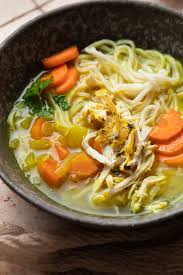
This Homemade Chicken Noodle and Cabbage Soup is a comforting dish featuring tender chicken, thin noodles, and fresh vegetables in a light, savory broth.
The shredded chicken provides a delicate texture, while the sliced carrots contribute natural sweetness.
As the green cabbage simmers, it softens and develops a mild, pleasant flavor that complements the chicken broth.
The fine noodles absorb some of the broth, making the soup satisfying without turning it into a heavy meal.
The finished soup has a light golden appearance, with colorful carrots, soft green cabbage, and tender strands of chicken and noodles throughout.
Every spoonful delivers a comforting combination of flavors and textures.
8. Nutritional Information
The following nutritional values are approximate estimates for one serving, assuming the soup is divided into six portions and prepared with lean chicken breast and wheat-based noodles.
| Nutrient | Approximate Amount Per Serving |
|---|---|
| Calories | 200–270 kcal |
| Protein | 20–28 g |
| Carbohydrates | 20–28 g |
| Total Fat | 4–8 g |
| Fiber | 2–4 g |
| Sodium | Varies depending on the broth and added salt |
Chicken breast provides lean protein, while carrots and cabbage contribute fiber, vitamins, and minerals.
Using low-sodium broth helps control the overall salt content.
9. Recipe Details
- Recipe Name: Homemade Chicken Noodle and Cabbage Soup
- Cuisine: Home-Style Comfort Food
- Course: Soup / Main Course
- Difficulty: Easy
- Servings: Approximately 6
- Preparation Time: 10–15 minutes
- Cooking Time: 25–35 minutes
- Total Time: Approximately 35–50 minutes
- Cooking Method: Stovetop
- Equipment: Large soup pot or Dutch oven
- Main Ingredients: Chicken breast, green cabbage, carrots, noodles, and chicken broth
10. Conclusion
Homemade Chicken Noodle and Cabbage Soup proves that a delicious meal does not need complicated ingredients or elaborate preparation.
With tender shredded chicken, sweet carrots, soft cabbage, and delicate noodles, this soup brings together simple flavors in a warm, comforting bowl.
Its clear, well-seasoned broth keeps the dish light, while the chicken and noodles make it satisfying enough for lunch or dinner.
Whether prepared for a family meal or made ahead for busy days, this easy homemade soup is a wonderful recipe to keep in your collection.
11. Recommendation
For the best flavor, use a good-quality low-sodium chicken broth and freshly chopped vegetables.
If you’re preparing the soup for immediate serving, cook the noodles directly in the broth so they absorb some of its savory flavor.
However, if you plan to store the soup for several days, cook the noodles separately and add them to individual bowls before serving. This prevents the pasta from continuing to absorb broth and becoming overly soft.
Storage Tips
Refrigeration: Allow the soup to cool briefly, divide it into shallow containers, and refrigerate within 2 hours of cooking. Store in airtight containers for 3–4 days.
Freezing: For the best texture, freeze the chicken, vegetables, and broth without the noodles. Add freshly cooked noodles when reheating.
Reheating: Reheat leftovers thoroughly to 165°F (74°C). Add a splash of broth or water if the soup has thickened.
Serving Suggestions
This soup pairs beautifully with:
- Crusty bread
- Toasted sourdough
- Garlic bread
- A simple green salad
- Whole-grain crackers
For an especially comforting meal, serve it with warm bread and a squeeze of fresh lemon.
12. Embracing Healthful Indulgence
Homemade Chicken Noodle and Cabbage Soup is a wonderful example of how comforting food can also be nourishing.
The chicken contributes protein, while the cabbage and carrots provide vegetables, fiber, and a variety of nutrients.
The noodles add carbohydrates that make the soup satisfying and help turn it into a complete meal.
For a lighter version, increase the amount of cabbage and carrots while using a smaller portion of noodles.
If you prefer more fiber, substitute whole-wheat noodles where available.
You can also adjust the sodium by choosing unsalted or low-sodium broth and seasoning gradually.
Above all, this soup celebrates the pleasure of simple homemade cooking. Warm, flavorful, and easy to prepare, it is a comforting meal that can be enjoyed throughout the year.