
Introduction
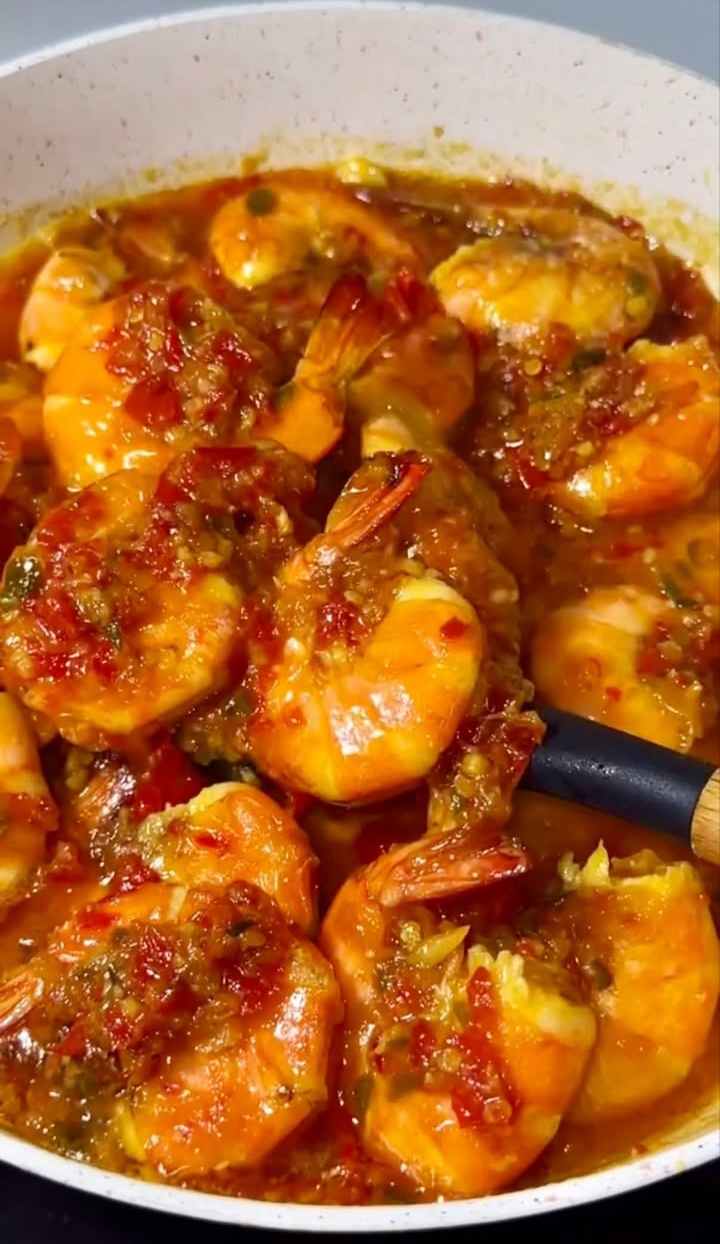
Udang Balado is a bold and flavorful Indonesian shrimp dish featuring tender seafood coated in a spicy red chili sauce known as sambal balado. Made with fresh red chilies, shallots, garlic, and tomato, this dish delivers a delicious balance of heat, savory depth, and subtle sweetness.
The shrimp cook quickly in the aromatic chili paste, absorbing its vibrant flavors while remaining juicy and tender. Served with steamed jasmine rice, Udang Balado makes a satisfying lunch or dinner for anyone who enjoys spicy seafood and Indonesian-inspired cuisine.
Origin and Cultural Significance
Udang Balado is associated with Indonesian cuisine, particularly the Minangkabau culinary tradition of West Sumatra, where balado refers to a spicy chili-based preparation. Balado dishes can feature a variety of ingredients, including shrimp, eggs, fish, potatoes, and eggplant.
The defining element is the sambal-style sauce, which combines chilies with aromatics and seasonings to create a vibrant, savory coating. Balado dishes are commonly served with rice and other Indonesian side dishes. Udang Balado is a seafood variation that highlights the region’s appreciation for bold chili flavors and simple, ingredient-focused cooking.
Ingredients
🍤 For the Shrimp
- 1 pound (approximately 500 g) large shrimp or prawns, peeled and deveined
- Juice of 1 lime
- ½ teaspoon salt
- 3 tablespoons vegetable oil
🌶️ For the Sambal Balado Paste
- 5–10 red bird’s-eye chilies, adjusted to taste
- 2–3 large red chilies, such as Fresno or long red chilies
- 6 Asian shallots, or 1 small red onion
- 4 cloves garlic
- 1 medium tomato, roughly chopped
- 1 teaspoon shrimp paste (terasi or belacan), optional
- 1 teaspoon sugar or palm sugar
- Salt, to taste
🍚 For Serving (Optional)
- Steamed jasmine rice
- Lime wedges
- Fresh cilantro or sliced green onions for garnish
Optional Additions
- Kaffir lime leaves: Add one or two leaves while cooking the sambal for a fragrant citrus aroma.
- Lemongrass: Add a bruised stalk to the sauce for a fresh, aromatic note.
- Tamarind: Add a small amount of tamarind paste for a tangy contrast to the chili heat.
- Palm sugar: Use palm sugar instead of regular sugar for a deeper, caramel-like sweetness.
- Extra tomato: Add another small tomato if you prefer a softer, less intense chili sauce.
- Fried shallots: Sprinkle them over the finished dish for extra texture and flavor.
Tips for Success
- Adjust the chili level: Use fewer bird’s-eye chilies for a milder dish, or increase them if you prefer intense heat.
- Keep the sambal slightly coarse: A textured paste creates a more traditional, rustic sauce than a completely smooth puree.
- Cook the paste thoroughly: Allow the moisture to evaporate and the raw aroma to disappear before adding the shrimp. The sauce should become fragrant and slightly glossy.
- Avoid overcooking the shrimp: Shrimp cook quickly and can become rubbery if left in the pan too long.
- Dry the shrimp before cooking: After marinating, drain excess lime juice and pat the shrimp dry to help them cook evenly.
- Balance the flavors: Taste the sambal before adding the shrimp. Adjust the salt, sugar, and lime to suit your preference.
- Use a large skillet or wok: A wide cooking surface helps the chili paste fry evenly and allows the shrimp to cook without overcrowding.
- Serve immediately: The shrimp are at their best when freshly cooked and coated in warm sambal.
Instructions
Step 1: Marinate the Shrimp
Place the peeled and deveined shrimp in a bowl. Add the lime juice and ½ teaspoon of salt, then toss until evenly coated.
Let the shrimp rest for 10–15 minutes. Drain the excess liquid and pat the shrimp dry before cooking.
Step 2: Prepare the Sambal Balado Paste
Place the bird’s-eye chilies, large red chilies, shallots, garlic, and chopped tomato in a food processor.
Pulse several times until the ingredients form a coarse, textured paste. Avoid blending it completely smooth, as a little texture gives the sauce its characteristic rustic appearance.
Step 3: Fry the Chili Paste
Heat the vegetable oil in a large skillet or wok over medium heat. Add the prepared chili paste and stir frequently.
If using shrimp paste, add it at this stage and mix it into the sauce. Cook for approximately 5–10 minutes, or until the mixture becomes fragrant, the raw smell disappears, and much of the excess moisture evaporates.
Reduce the heat if the paste begins to scorch.
Step 4: Season the Sambal
Stir in the sugar or palm sugar and add salt to taste. Mix well and allow the sauce to cook for another minute.
Taste carefully. The sambal should be spicy and savory, with a subtle sweetness that balances the heat. Add a little lime juice if you prefer a brighter, tangier flavor.
Step 5: Cook the Shrimp
Add the marinated shrimp to the hot sambal. Toss well so each piece is coated with the chili sauce.
Cook for approximately 2–4 minutes, depending on the size of the shrimp, turning them as needed. They are ready when they turn pink, become opaque, and curl slightly. For food safety, cook shrimp to an internal temperature of 145°F (63°C) when checked with a food thermometer.
Avoid prolonged cooking to preserve their tender texture.
Step 6: Garnish and Serve
Turn off the heat and transfer the shrimp and sambal to a serving dish.
Serve immediately with steamed jasmine rice and lime wedges. Spoon any remaining chili sauce over the shrimp and rice so none of the flavorful sambal goes to waste.
Description
Udang Balado is a vibrant seafood dish characterized by its bright red chili sauce, tender shrimp, and aromatic blend of garlic, shallots, and tomato. The sambal coats each shrimp with a spicy, savory flavor, while a touch of sugar helps round out the heat.
The finished dish is glossy, fragrant, and full of character. Its bold seasoning pairs especially well with plain steamed rice, which balances the intensity of the chili sauce and makes every bite satisfying.
Nutritional Information
Approximate values per serving, assuming 4 servings and excluding rice:
- Calories: 220–280
- Protein: 24–28 g
- Carbohydrates: 8–12 g
- Fat: 10–15 g
- Saturated Fat: 1–3 g
- Sugar: 4–7 g
- Fiber: 2–4 g
- Sodium: 500–750 mg
Actual nutritional values vary according to shrimp size, the amount of oil used, the optional shrimp paste, and the final seasoning. Adding rice will increase the total calories and carbohydrates.
Recipe Details
- Prep Time: 20 minutes
- Marinating Time: 10–15 minutes
- Cook Time: 15–20 minutes
- Total Time: Approximately 45–55 minutes
- Servings: 4
- Cuisine: Indonesian
- Course: Main Course
- Cooking Method: Stir-frying
- Difficulty: Easy to Moderate
Conclusion
Udang Balado is an excellent choice for anyone who enjoys bold Indonesian flavors and quick seafood meals. Its combination of juicy shrimp and freshly prepared sambal creates a dish that is spicy, aromatic, and satisfying without requiring complicated cooking techniques.
Whether served as a weeknight dinner or part of a larger Indonesian-inspired meal, this recipe brings vibrant color and plenty of flavor to the table. Adjust the chilies to your preference and serve the shrimp with rice for a delicious, balanced combination.
Recommendation
Serve Udang Balado hot over steamed jasmine rice, with fresh cucumber slices or lightly cooked vegetables on the side to complement the spicy sauce. Lime wedges are also a great addition for anyone who enjoys extra acidity.
Refrigerate leftovers in a shallow, airtight container within 2 hours of cooking and consume within 3–4 days. Reheat gently in a skillet over low heat until thoroughly hot, adding a small splash of water if the sambal has thickened. Avoid reheating repeatedly, as shrimp can become tough.
For the best texture and flavor, prepare the sambal in advance if desired, then cook the shrimp just before serving.
Embracing Healthful Indulgence
Udang Balado provides protein from shrimp, while the chilies, tomato, shallots, and garlic contribute flavor and some beneficial nutrients. The amount of oil and salt can be adjusted to suit your dietary preferences.
For a lighter meal, reduce the cooking oil slightly, use a lower-sodium shrimp paste or omit it, and serve the shrimp with a moderate portion of rice alongside fresh vegetables. These small adjustments preserve the dish’s signature spicy flavor while helping it fit into a balanced eating pattern.